Safety note: Admin approval is an initial review, not a guarantee that every detail is correct. Check important or urgent claims with official sources and report anything inaccurate or unsafe.
An 'eerie' blood moon is about to appear. Here's the best time to watch it in Australia
Smart summary
Stargazers across Australia will stay up late this Tuesday as the full moon turns red in a rare, "must-see" lunar eclipse. On Tuesday night, the moon will slowly slip into Earth's shadow and emerge glowing deep red in...
Stargazers across Australia will stay up late this Tuesday as the full moon turns red in a rare, "must-see" lunar eclipse.
On Tuesday night, the moon will slowly slip into Earth's shadow and emerge glowing deep red in a total lunar eclipse — the only 'blood moon' visible from Australia in 2026.
The transformation will be visible in every state and territory across the country, although the highly anticipated phase of totality (lasting 58 minutes) will occur at slightly different times depending on time zones, according to Jonti Horner, a professor of astrophysics from the University of Southern Queensland. Unlike many celestial events that require special glasses or expensive equipment, this one asks you to simply step outside and look up.
What causes a lunar eclipse? A lunar eclipse occurs when Earth passes directly between the sun and the moon, casting a gigantic shadow across the lunar surface and turning the moon a deep reddish-orange during totality. This alignment can only happen during a full moon phase.
MoonLunarEclipseWillAcross
Stargazers across Australia will stay up late this Tuesday as the full moon turns red in a rare, "must-see" lunar eclipse.
On Tuesday night, the moon will slowly slip into Earth's shadow and emerge glowing deep red in a total lunar eclipse — the only 'blood moon' visible from Australia in 2026.
The transformation will be visible in every state and territory across the country, although the highly anticipated phase of totality (lasting 58 minutes) will occur at slightly different times depending on time zones, according to Jonti Horner, a professor of astrophysics from the University of Southern Queensland. Unlike many celestial events that require special glasses or expensive equipment, this one asks you to simply step outside and look up.
What causes a lunar eclipse? A lunar eclipse occurs when Earth passes directly between the sun and the moon, casting a gigantic shadow across the lunar surface and turning the moon a deep reddish-orange during totality. This alignment can only happen during a full moon phase.
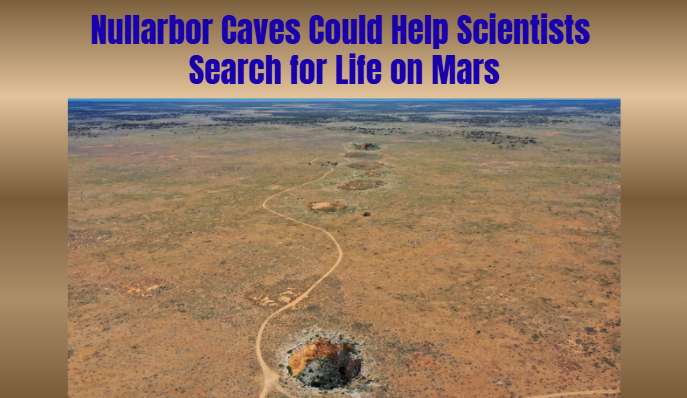
Researchers studying ancient cave systems beneath South Australia's Nullarbor Plain say the underground environment could provide clues for future searc...
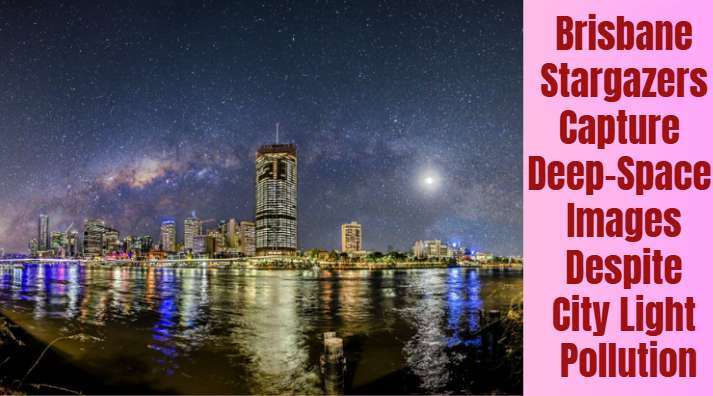
Amateur astronomers are using new telescope technology to photograph the Moon, planets and distant galaxies from Brisbane homes, showing that city skies...
A teenager from Devonport has died and four other people were injured after a serious crash involving a ute on Mersey Main Road near Latrobe, Tasmania.
Captain Smit Machchhar is recovering after allegedly being attacked by his co-pilot aboard a Flydubai flight bound for Israel. His longtime friend has d...
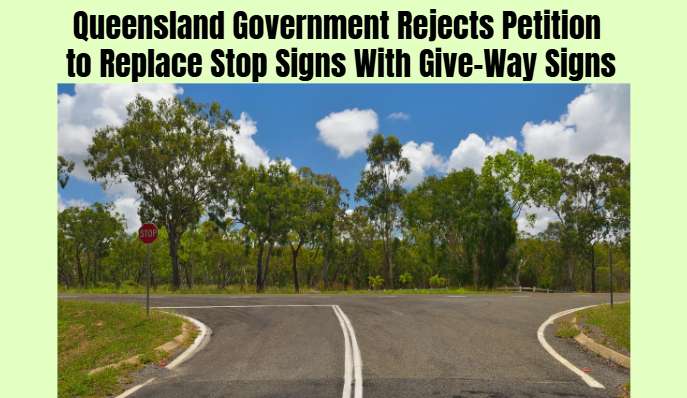
The Queensland Government has rejected a petition calling for stop signs across the state to be replaced with give-way signs. The petition, signed by 39...
Three men have been charged following an investigation into the alleged theft of 34 firearms, ammunition and jewellery from a property in Kanahooka, sou...
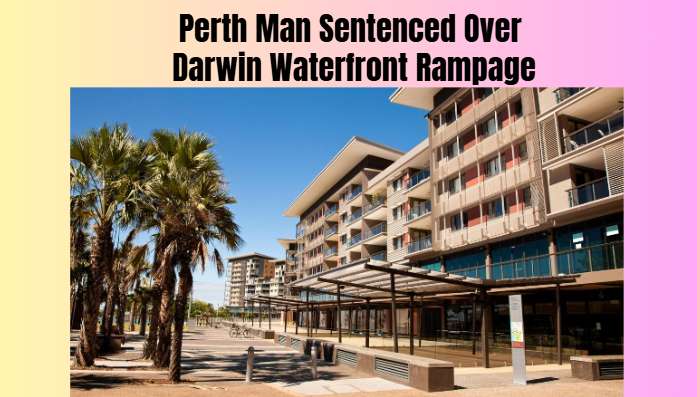
A 36-year-old man extradited from Perth has received a suspended prison sentence after being convicted over a violent incident involving four people at...
Darwin's Frontier Bar and Grill manager Aston Bell has received two industry awards, recognising her leadership, customer service and contribution to th...
A teenager from Devonport has died and four other people were injured after a serious crash involving a ute on Mersey Main Road near Latrobe, Tasmania.