Safety note: Admin approval is an initial review, not a guarantee that every detail is correct. Check important or urgent claims with official sources and report anything inaccurate or unsafe.
Source and credit: Contributor's own report
Mixed responses to the 2026–27 Federal Budget
Smart summary
with debate centring on tax, infrastructure, energy and cost-of-living measures. Treasurer Jim Chalmers’s 2026–27 Federal Budget has generated a wide range of reactions from political parties, industry organisations a...
with debate centring on tax, infrastructure, energy and cost-of-living measures. Treasurer Jim Chalmers’s 2026–27 Federal Budget has generated a wide range of reactions from political parties, industry organisations and advocacy groups, reflecting contrasting views on tax policy, regional investment, energy spending and support for households. Matt Canavan criticised the Budget as a “broken promises” package that he said disadvantages regional Australia.
He argued that reductions to infrastructure and agricultural funding, including cuts to the Inland Rail, the National Water Grid and regional communications programs, would increase costs and weaken productivity in rural communities. Senator Canavan also condemned Labor’s continued spending on net zero and renewable energy initiatives, claiming the additional $18.2 billion allocated to emissions reduction policies would contribute to inflation and rising living costs. Other organisations, including National Farmers' Federation, National Seniors Australia, Tas Farmers, Grain Producers Australia and NSW Farmers, offered a mixture of praise and criticism, focusing on issues such as agricultural investment, energy transition, business support and cost-of-living relief.
The Budget has highlighted significant differences over how the federal government should balance economic management, environmental commitments and support for regional and rural Australia.
BudgetEnergyRegionalFarmersFederal
with debate centring on tax, infrastructure, energy and cost-of-living measures. Treasurer Jim Chalmers’s 2026–27 Federal Budget has generated a wide range of reactions from political parties, industry organisations and advocacy groups, reflecting contrasting views on tax policy, regional investment, energy spending and support for households. Matt Canavan criticised the Budget as a “broken promises” package that he said disadvantages regional Australia.
He argued that reductions to infrastructure and agricultural funding, including cuts to the Inland Rail, the National Water Grid and regional communications programs, would increase costs and weaken productivity in rural communities. Senator Canavan also condemned Labor’s continued spending on net zero and renewable energy initiatives, claiming the additional $18.2 billion allocated to emissions reduction policies would contribute to inflation and rising living costs. Other organisations, including National Farmers' Federation, National Seniors Australia, Tas Farmers, Grain Producers Australia and NSW Farmers, offered a mixture of praise and criticism, focusing on issues such as agricultural investment, energy transition, business support and cost-of-living relief.
The Budget has highlighted significant differences over how the federal government should balance economic management, environmental commitments and support for regional and rural Australia.
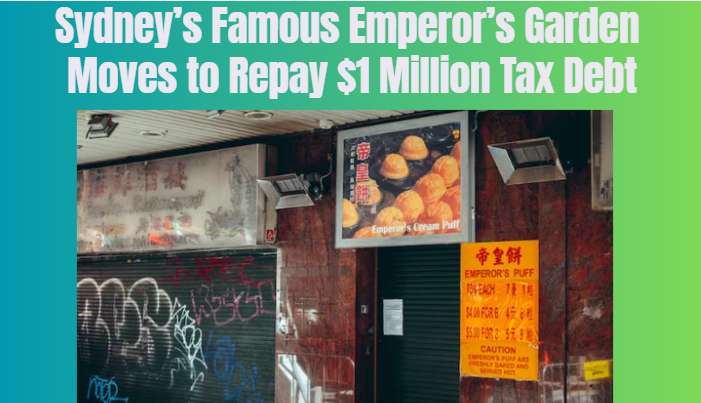
Sydney Chinatown institution Emperor’s Garden has reached an agreement to repay more than $1 million in tax debt, with discussions now underway about re...
A major developer has ended its involvement in the Eyre residential development in Adelaide's north, leaving South Australia's Renewal SA to take respon...
Chinese-owned Yongji Health has taken almost complete control of Tasmanian Botanics, one of Australia's largest medicinal cannabis producers, following...
The Western Australia Supreme Court has dismissed a $2.6 million claim brought by engineering companies over alleged damage to a commercial barge that w...
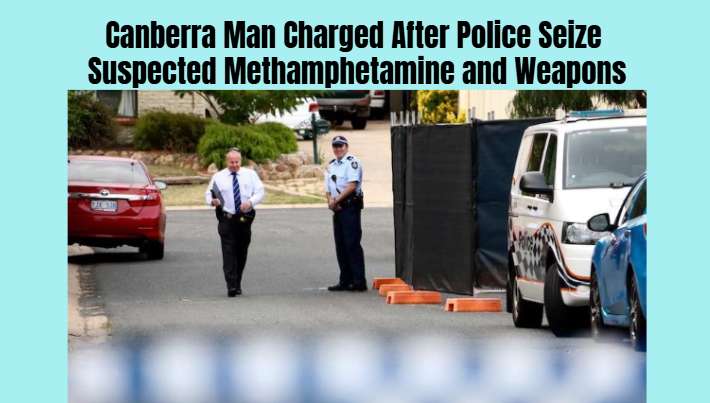
A 36-year-old man from Kambah has been charged with drug trafficking and multiple prohibited weapons offences after ACT Policing searched his home as pa...
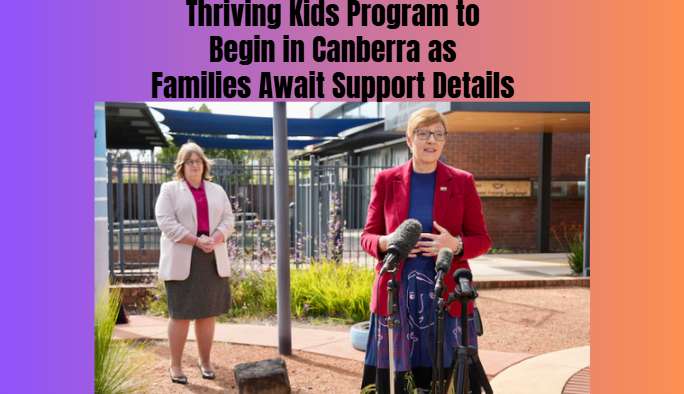
The ACT will begin the first phase of the Thriving Kids program on October 1, providing developmental support pathways for children while concerns remai...
The Reserve Bank of Australia has increased the cash rate by 25 basis points to 4.6 per cent, while the federal government and opposition debate the cau...
Treasurer Jim Chalmers says the federal budget bottom line has improved by $6 billion compared with the May forecast, while the government faces pressur...
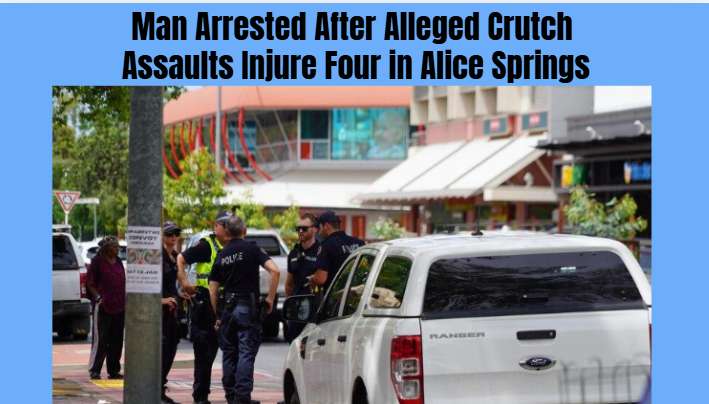
Northern Territory Police say a 40-year-old man allegedly assaulted four people with a crutch in Alice Springs, leaving two people requiring hospital tr...
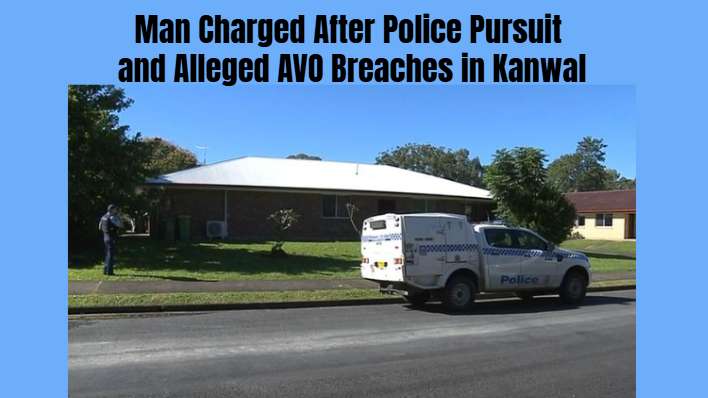
A 33-year-old man has been charged with six offences following a police pursuit and arrest on the NSW Central Coast. Police say the incident began with...
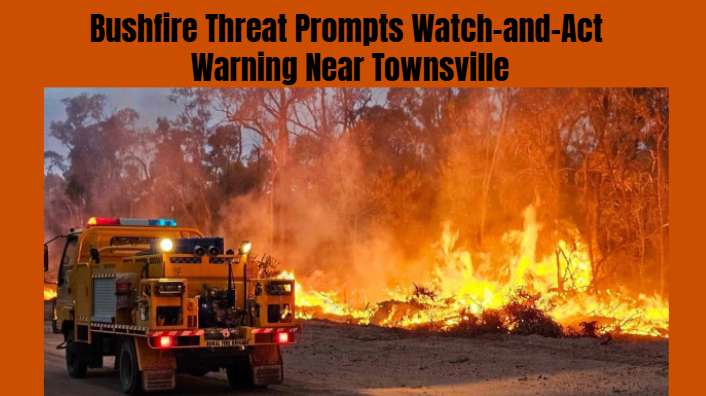
Fire crews and water-bombing helicopters are responding to a fast-moving bushfire near Oak Valley, north of Townsville, as residents in nearby areas are...
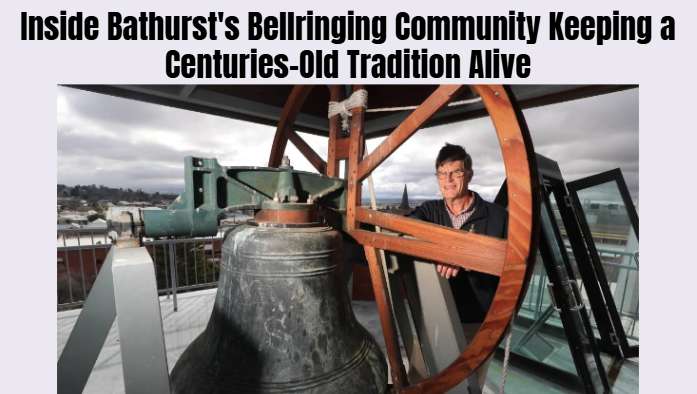
Bathurst bellringers are preparing to gather to celebrate a historic tradition dating back to 17th-century England, bringing together a community dedica...