Darwin Northern Territory · Northern Territory News
Safety note: Admin approval is an initial review, not a guarantee that every detail is correct. Check important or urgent claims with official sources and report anything inaccurate or unsafe.
Source and credit: Contributor's own report
The Australian crocodile industry’s problematic trio
Smart summary
Australia’s crocodile farming industry is confronting three major challenges that could affect its long-term profitability and international competitiveness, according to analysis by ARR.News contributor Pavel Kuliuk....
Australia’s crocodile farming industry is confronting three major challenges that could affect its long-term profitability and international competitiveness, according to analysis by ARR.News contributor Pavel Kuliuk. The most significant issue is the industry’s heavy reliance on export markets for premium crocodile skins, which are primarily used in luxury fashion products. Around 90 per cent of Australian crocodile skins are exported, with the Northern Territory producing the majority of the nation’s supply through 14 of Australia’s 25 crocodile farms.
Kuliuk argues that the industry’s success is increasingly shaped by overseas public opinion and tighter regulations in key markets such as the European Union, the United States, China and India. Growing demand for certified and ethically sourced materials means producers are under pressure to demonstrate higher animal welfare and traceability standards. A secondary challenge is the sector’s relatively modest economic scale, which may limit its ability to respond quickly to international market changes.
The third issue is Australia’s regulatory and lobbying framework, which the article suggests has been slow to modernise industry standards. Central to the discussion is the 2009 Code of Practice on the Humane Treatment of Wild and Farmed Australian Crocodiles. Although the code was intended to be reviewed within five years and rewritten within ten, it has not been substantially updated despite significant changes in global expectations.
The article notes that the Northern Territory crocodile industry has expanded rapidly, with turnover increasing from approximately $25 million in 2011 to an estimated $151 million in 2025. However, the author argues that maintaining access to international markets will require updated standards that align with contemporary animal welfare requirements and ethical sourcing expectations.
CrocodileIndustryInternationalMarketsStandards
Australia’s crocodile farming industry is confronting three major challenges that could affect its long-term profitability and international competitiveness, according to analysis by ARR.News contributor Pavel Kuliuk. The most significant issue is the industry’s heavy reliance on export markets for premium crocodile skins, which are primarily used in luxury fashion products. Around 90 per cent of Australian crocodile skins are exported, with the Northern Territory producing the majority of the nation’s supply through 14 of Australia’s 25 crocodile farms.
Kuliuk argues that the industry’s success is increasingly shaped by overseas public opinion and tighter regulations in key markets such as the European Union, the United States, China and India. Growing demand for certified and ethically sourced materials means producers are under pressure to demonstrate higher animal welfare and traceability standards. A secondary challenge is the sector’s relatively modest economic scale, which may limit its ability to respond quickly to international market changes.
The third issue is Australia’s regulatory and lobbying framework, which the article suggests has been slow to modernise industry standards. Central to the discussion is the 2009 Code of Practice on the Humane Treatment of Wild and Farmed Australian Crocodiles. Although the code was intended to be reviewed within five years and rewritten within ten, it has not been substantially updated despite significant changes in global expectations.
The article notes that the Northern Territory crocodile industry has expanded rapidly, with turnover increasing from approximately $25 million in 2011 to an estimated $151 million in 2025. However, the author argues that maintaining access to international markets will require updated standards that align with contemporary animal welfare requirements and ethical sourcing expectations.
A Chinese private processor has purchased 68,000 tonnes of new-season Australian canola for shipment in March, marking the first known private-sector pu...
Darwin Northern Territory · Other News · 01 Sep 2026
A scenic hike through Butterfly Gorge in the Northern Territory turned into a frightening experience when a buffalo charged at two hikers. ABC Darwin reported the story today, 1...
Coffs Harbour New South Wales · Other News · 01 Sep 2026
A Safe Work NSW inspection blitz across the Coffs Harbour region has uncovered dozens of workplace-safety issues in the horticulture industry. The operation followed concerns ab...
Northern Territory Police say a 40-year-old man allegedly assaulted four people with a crutch in Alice Springs, leaving two people requiring hospital tr...
Community and education representatives have raised concerns that the initial $500,000 allocation may not cover the infrastructure upgrades needed for t...
Essential bus services connecting Alice Springs with five remote communities have been reduced, with the operator warning that some routes could be canc...
Northern Territory Police say a 40-year-old man allegedly assaulted four people with a crutch in Alice Springs, leaving two people requiring hospital tr...
A 33-year-old man has been charged with six offences following a police pursuit and arrest on the NSW Central Coast. Police say the incident began with...
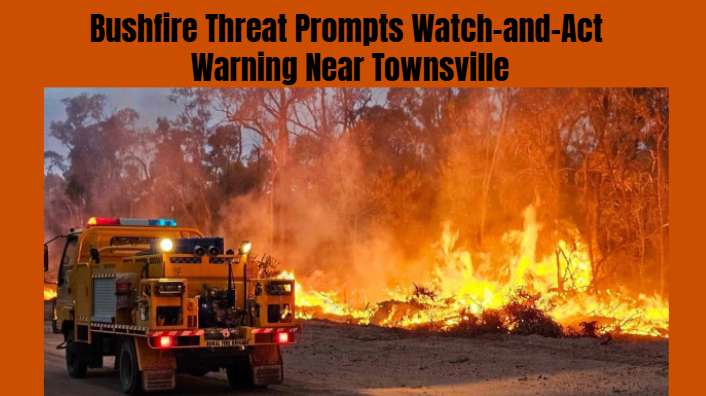
Fire crews and water-bombing helicopters are responding to a fast-moving bushfire near Oak Valley, north of Townsville, as residents in nearby areas are...
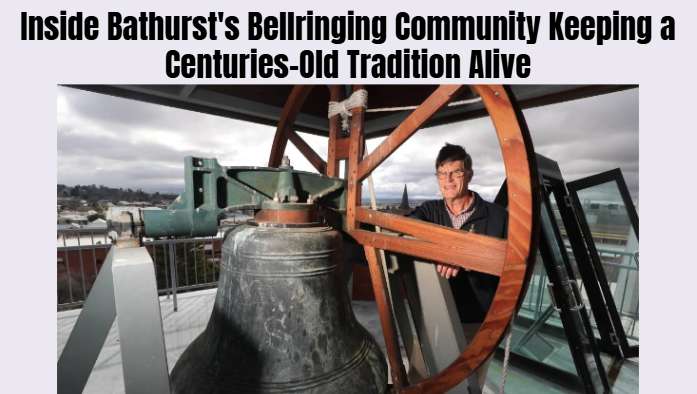
Bathurst bellringers are preparing to gather to celebrate a historic tradition dating back to 17th-century England, bringing together a community dedica...