Safety note: Admin approval is an initial review, not a guarantee that every detail is correct. Check important or urgent claims with official sources and report anything inaccurate or unsafe.
Source and credit: Contributor's own report
Smart summary
Australian homeowners are increasingly embracing “naturalistic gardens” as environmental awareness and sustainable living continue to shape landscaping trends in 2026.
The movement marks a shift away from highly manicured lawns and tightly controlled garden designs towards more relaxed outdoor spaces that encourage biodiversity, reduce water use and support local ecosystems.
Landscape designers and horticultural experts say naturalistic gardens focus on working with nature rather than against it. Native grasses, flowering perennials, edible plants and pollinator-friendly species are being integrated into home gardens to create spaces that are both visually appealing and environmentally beneficial.
The trend reflects growing concerns about climate resilience, water conservation and declining pollinator populations across Australia. According to the Australian Institute of Horticulture and Gardening Australia, gardeners are increasingly choosing hardy native plants that can better tolerate drought conditions and extreme temperatures.
Unlike traditional gardens that often rely on extensive pruning, fertilising and watering, naturalistic gardens adopt a more hands-off approach. Layers of vegetation and decaying plant matter help improve soil health naturally by increasing organic matter and supporting beneficial microorganisms.
The once-prized pristine lawn is also evolving, with many homeowners replacing sections of turf with mixed plantings, wildflower patches and groundcovers that require less maintenance and irrigation.
Water efficiency is another major feature of the trend. Rainwater tanks, drip irrigation systems and moisture-monitoring technology are becoming common additions in backyards as households attempt to reduce water consumption during increasingly dry conditions.
Naturalistic gardens are also blending beauty with practicality. Fruit trees, herbs and vegetable patches are now being incorporated into decorative garden layouts, alongside raised garden beds, trellises and outdoor entertaining spaces.
Edible landscaping has gained momentum in recent years as more people look to grow at least some of their own food amid rising grocery prices and increased interest in sustainable living.
Environmental groups say the approach can also provide important habitat for birds, bees and butterflies, particularly in urban areas where native vegetation has declined.
It's recommended that homeowners seek advice from local nurseries or landscapers to choose plants suited to regional conditions, soil types and rainfall patterns, particularly in areas prone to drought, frost or extreme summer heat.
GardensNaturalisticWaterAlsoConditions
The movement marks a shift away from highly manicured lawns and tightly controlled garden designs towards more relaxed outdoor spaces that encourage biodiversity, reduce water use and support local ecosystems.
Landscape designers and horticultural experts say naturalistic gardens focus on working with nature rather than against it. Native grasses, flowering perennials, edible plants and pollinator-friendly species are being integrated into home gardens to create spaces that are both visually appealing and environmentally beneficial.
The trend reflects growing concerns about climate resilience, water conservation and declining pollinator populations across Australia. According to the Australian Institute of Horticulture and Gardening Australia, gardeners are increasingly choosing hardy native plants that can better tolerate drought conditions and extreme temperatures.
Unlike traditional gardens that often rely on extensive pruning, fertilising and watering, naturalistic gardens adopt a more hands-off approach. Layers of vegetation and decaying plant matter help improve soil health naturally by increasing organic matter and supporting beneficial microorganisms.
The once-prized pristine lawn is also evolving, with many homeowners replacing sections of turf with mixed plantings, wildflower patches and groundcovers that require less maintenance and irrigation.
Water efficiency is another major feature of the trend. Rainwater tanks, drip irrigation systems and moisture-monitoring technology are becoming common additions in backyards as households attempt to reduce water consumption during increasingly dry conditions.
Naturalistic gardens are also blending beauty with practicality. Fruit trees, herbs and vegetable patches are now being incorporated into decorative garden layouts, alongside raised garden beds, trellises and outdoor entertaining spaces.
Edible landscaping has gained momentum in recent years as more people look to grow at least some of their own food amid rising grocery prices and increased interest in sustainable living.
Environmental groups say the approach can also provide important habitat for birds, bees and butterflies, particularly in urban areas where native vegetation has declined.
It's recommended that homeowners seek advice from local nurseries or landscapers to choose plants suited to regional conditions, soil types and rainfall patterns, particularly in areas prone to drought, frost or extreme summer heat.
Regional councils are calling on the Australian Government to establish a $200 million funding program to help maintain regional airports, after a surve...
A rural Western Australian shire has asked the federal government to recognise the challenges of operating childcare services in small communities, wher...
Armidale Regional Council will replace an ageing cast-iron water main in Ampol and Miller Streets with a modern system, with construction scheduled to b...
New South Wales senator David Shoebridge has been elected leader of the Australian Greens following an internal party-room ballot, succeeding Larissa Wa...
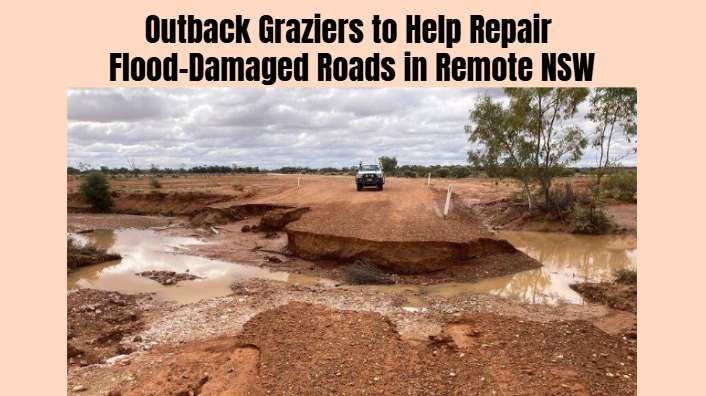
Transport for NSW plans to hire local graziers and station owners to help repair roads damaged by months of heavy rain in the state’s Far West. However,...
Emergency services are responding after a car struck a crowd of Newcastle Knights supporters gathered in Wallsend, Newcastle, ahead of the NRL grand fin...
The upcoming Coffs Harbour bypass is expected to remove around 35,000 vehicles a day from the city's main highway route, prompting local businesses, inc...
New South Wales senator David Shoebridge has been elected leader of the Australian Greens following an internal party-room ballot, succeeding Larissa Wa...
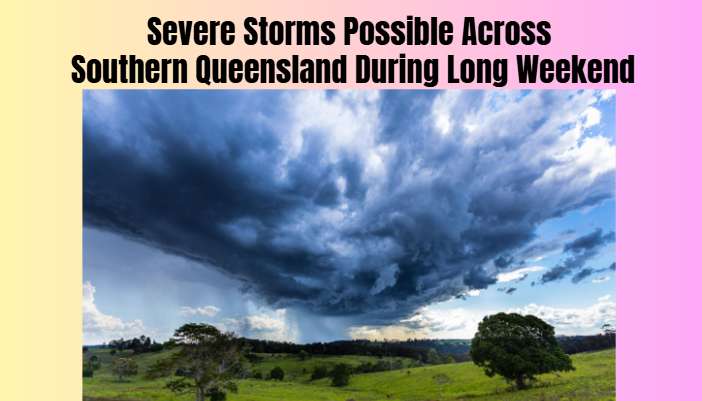
The Bureau of Meteorology is warning of possible thunderstorms across southern Queensland during the King’s Birthday long weekend, with unsettled weathe...
Changes to Australia’s working holiday visa program have raised concerns among tourism and hospitality businesses in Far North Queensland, where backpac...
Queensland Police established an emergency exclusion zone in Kallangur, north of Brisbane, after receiving reports of an armed person inside a residence...