Safety note: Admin approval is an initial review, not a guarantee that every detail is correct. Check important or urgent claims with official sources and report anything inaccurate or unsafe.
Source and credit: Contributor's own report
One Nation Sets Sights on Western Sydney After Historic Farrer By-Election Victory
Smart summary
Pauline Hanson's One Nation is preparing to expand its political influence into Western Sydney after securing a landmark victory in the federal by-election for Farrer. The result saw candidate David Farley claim the p...
Pauline Hanson's One Nation is preparing to expand its political influence into Western Sydney after securing a landmark victory in the federal by-election for Farrer. The result saw candidate David Farley claim the party’s first-ever seat in Australia’s House of Representatives, ending more than seven decades of dominance by the Liberal and National parties in the electorate.
Party MP Barnaby Joyce, who left the National Party of Australia to join One Nation in 2025, said the success in Farrer demonstrated growing voter dissatisfaction with the major parties and marked the beginning of a broader strategy to challenge both Labor and the Coalition in key suburban and regional seats. Joyce said party officials were already speaking with potential candidates in Western Sydney, where they believe cost-of-living pressures and concerns over government policy are creating strong support for alternative political movements.
The Farrer victory follows One Nation’s strong performance in the recent 2026 South Australian state election, where the party won four seats and outpolled the Coalition. Joyce said One Nation intends to “go for government” and expand beyond its traditional protest-vote base, while ruling out any formal coalition agreement with the Liberal and National parties. Instead, he said the party would consider offering support and confidence to a minority government in exchange for policy concessions.
Joyce also cautioned Coalition MPs considering defection that joining One Nation would not be automatic, emphasizing that the party would selectively determine who aligns with its long-term vision. His remarks followed reports that Colin Boyce was contemplating a switch after the Coalition’s vote in Farrer collapsed to just 22 per cent.
Political analysts say One Nation’s strategy reflects a significant shift in Australia’s political landscape, with the party seeking to transform itself from a fringe force into a serious national contender. The outcome in Farrer and the focus on Western Sydney suggest that One Nation is targeting both regional dissatisfaction and suburban discontent as it attempts to reshape the balance of power in federal politics.
NationPartyFarrerCoalitionJoyce
Pauline Hanson's One Nation is preparing to expand its political influence into Western Sydney after securing a landmark victory in the federal by-election for Farrer. The result saw candidate David Farley claim the party’s first-ever seat in Australia’s House of Representatives, ending more than seven decades of dominance by the Liberal and National parties in the electorate.
Party MP Barnaby Joyce, who left the National Party of Australia to join One Nation in 2025, said the success in Farrer demonstrated growing voter dissatisfaction with the major parties and marked the beginning of a broader strategy to challenge both Labor and the Coalition in key suburban and regional seats. Joyce said party officials were already speaking with potential candidates in Western Sydney, where they believe cost-of-living pressures and concerns over government policy are creating strong support for alternative political movements.
The Farrer victory follows One Nation’s strong performance in the recent 2026 South Australian state election, where the party won four seats and outpolled the Coalition. Joyce said One Nation intends to “go for government” and expand beyond its traditional protest-vote base, while ruling out any formal coalition agreement with the Liberal and National parties. Instead, he said the party would consider offering support and confidence to a minority government in exchange for policy concessions.
Joyce also cautioned Coalition MPs considering defection that joining One Nation would not be automatic, emphasizing that the party would selectively determine who aligns with its long-term vision. His remarks followed reports that Colin Boyce was contemplating a switch after the Coalition’s vote in Farrer collapsed to just 22 per cent.
Political analysts say One Nation’s strategy reflects a significant shift in Australia’s political landscape, with the party seeking to transform itself from a fringe force into a serious national contender. The outcome in Farrer and the focus on Western Sydney suggest that One Nation is targeting both regional dissatisfaction and suburban discontent as it attempts to reshape the balance of power in federal politics.
New South Wales senator David Shoebridge has been elected leader of the Australian Greens following an internal party-room ballot, succeeding Larissa Wa...
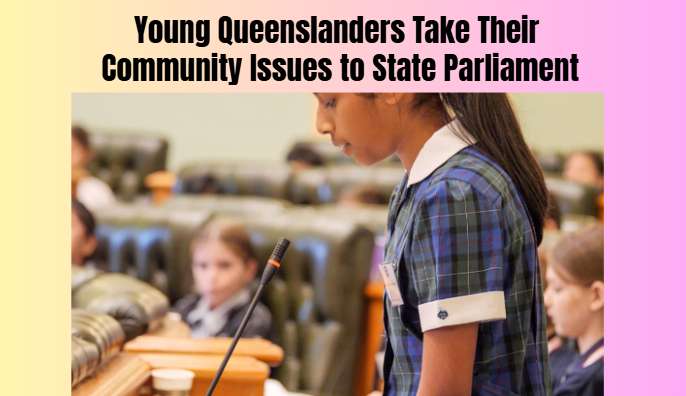
Young people from regional and remote Queensland communities are participating in youth councils and a state youth parliament, raising issues such as di...
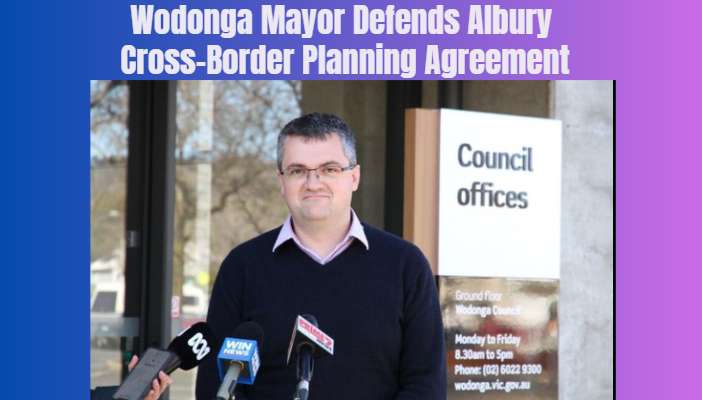
Wodonga councillors have extended the Two Cities One Community agreement with Albury until 2030, despite criticism from one councillor over the value of...
A Queensland government audit has identified gaps in record-keeping around social housing applications cancelled because applicants could not be contact...
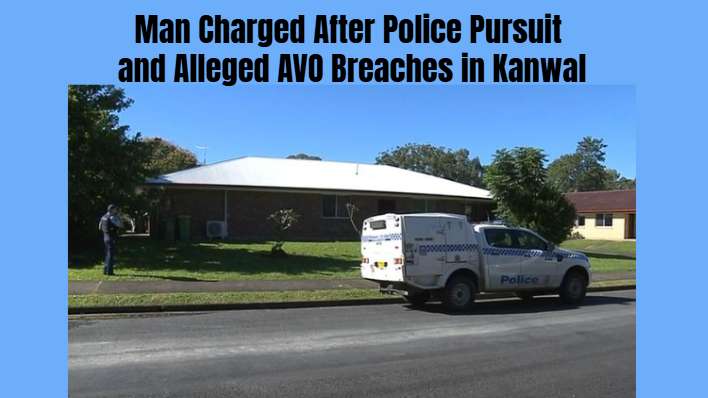
A 33-year-old man has been charged with six offences following a police pursuit and arrest on the NSW Central Coast. Police say the incident began with...
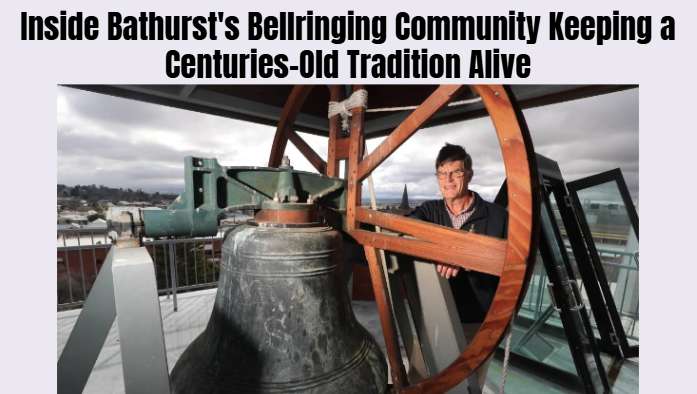
Bathurst bellringers are preparing to gather to celebrate a historic tradition dating back to 17th-century England, bringing together a community dedica...
New South Wales senator David Shoebridge has been elected leader of the Australian Greens following an internal party-room ballot, succeeding Larissa Wa...
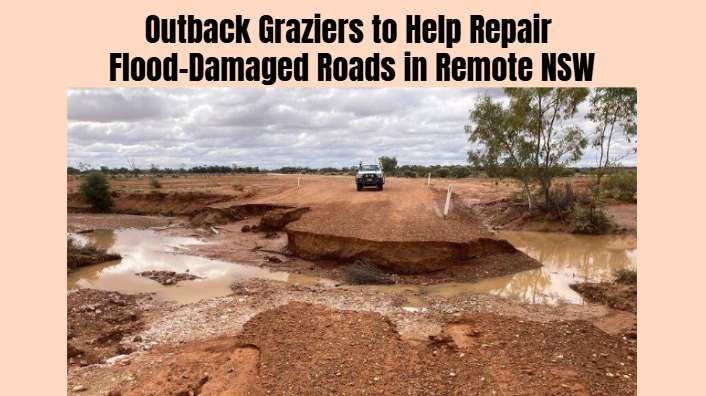
Transport for NSW plans to hire local graziers and station owners to help repair roads damaged by months of heavy rain in the state’s Far West. However,...
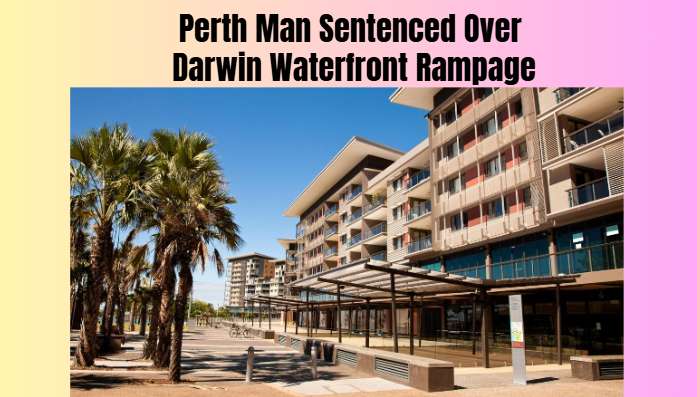
A 36-year-old man extradited from Perth has received a suspended prison sentence after being convicted over a violent incident involving four people at...
Darwin's Frontier Bar and Grill manager Aston Bell has received two industry awards, recognising her leadership, customer service and contribution to th...
A teenager from Devonport has died and four other people were injured after a serious crash involving a ute on Mersey Main Road near Latrobe, Tasmania.