Safety note: Admin approval is an initial review, not a guarantee that every detail is correct. Check important or urgent claims with official sources and report anything inaccurate or unsafe.
Women's Asian Cup 2026: The uneven roads that lead to the trophy, from the intriguing North Korea, to favourite Japan
Smart summary
The afterglow of the 2023 FIFA Women's World Cup co-hosted in Australia and New Zealand still burns bright, with memories of sold-out stadiums, record audiences and players turned into household names. The Matildas re...
The afterglow of the 2023 FIFA Women's World Cup co-hosted in Australia and New Zealand still burns bright, with memories of sold-out stadiums, record audiences and players turned into household names.
The Matildas re-shaped what women's football could look like here.
The Women's Asian Cup — starting this weekend — provides Australia and visiting nations the opportunity to do just that again.
Create history, bring attention to their country like never before, and seek respect and investment.
But while all teams will enter the tournament on an equal footing, they have each had vastly different journeys to qualification.
According to global player union FIFPro, less than two-thirds of women players in Asia identify as professional, with most earning less than $14,000 annually from the sport.
Behind the spectacle of a continental championship lies a patchwork of vastly different systems, resources, and adversities.
WomenAsianDifferentLessLike
The afterglow of the 2023 FIFA Women's World Cup co-hosted in Australia and New Zealand still burns bright, with memories of sold-out stadiums, record audiences and players turned into household names.
The Matildas re-shaped what women's football could look like here.
The Women's Asian Cup — starting this weekend — provides Australia and visiting nations the opportunity to do just that again.
Create history, bring attention to their country like never before, and seek respect and investment.
But while all teams will enter the tournament on an equal footing, they have each had vastly different journeys to qualification.
According to global player union FIFPro, less than two-thirds of women players in Asia identify as professional, with most earning less than $14,000 annually from the sport.
Behind the spectacle of a continental championship lies a patchwork of vastly different systems, resources, and adversities.
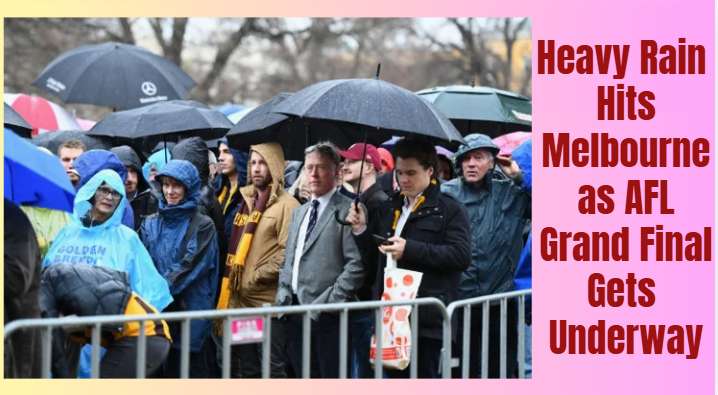
Wet conditions at the Melbourne Cricket Ground are creating difficult conditions for the AFL Grand Final, while poor weather has also disrupted flights...
Australian cyclist Sarah Gigante is back racing internationally after more than a year away from competition and will lead a four-rider Australian team...
Captain Smit Machchhar is recovering after allegedly being attacked by his co-pilot aboard a Flydubai flight bound for Israel. His longtime friend has d...
The Queensland Government has rejected a petition calling for stop signs across the state to be replaced with give-way signs. The petition, signed by 39...
Three men have been charged following an investigation into the alleged theft of 34 firearms, ammunition and jewellery from a property in Kanahooka, sou...
A man has died after his car struck a tree at Carrs Creek, north of Grafton, in New South Wales. Police have established a crime scene and are investiga...
New South Wales senator David Shoebridge has been elected leader of the Australian Greens following an internal party-room ballot, succeeding Larissa Wa...
The Bureau of Meteorology is warning of possible thunderstorms across southern Queensland during the King’s Birthday long weekend, with unsettled weathe...
Changes to Australia’s working holiday visa program have raised concerns among tourism and hospitality businesses in Far North Queensland, where backpac...
Queensland Police established an emergency exclusion zone in Kallangur, north of Brisbane, after receiving reports of an armed person inside a residence...