Safety note: Admin approval is an initial review, not a guarantee that every detail is correct. Check important or urgent claims with official sources and report anything inaccurate or unsafe.
Source and credit: Contributor's own report
Alice Springs Beanie Festival Celebrates 30 Years of Creativity in Its Final Farewell - Alice Springs, NT
Smart summary
Thousands of handmade beanies, colourful characters and dedicated volunteers have come together in Alice Springs as the iconic Beanie Festival marks its 30th anniversary — and potentially its final year.
One of Australia's most unique and beloved community festivals is celebrating a major milestone, with the Alice Springs Beanie Festival marking its 30th anniversary in 2026. The event, renowned for its creativity, community spirit and quirky handmade headwear, has attracted thousands of visitors to Central Australia and become an internationally recognised celebration of textile art and craftsmanship.
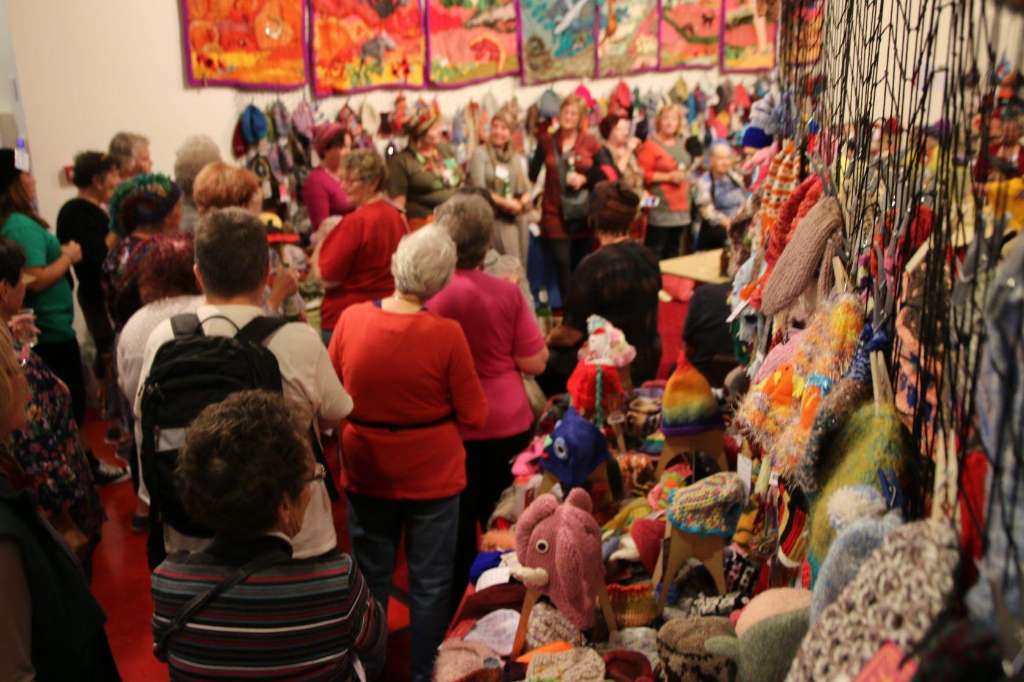
Held annually during the cooler winter months, the festival transforms the Araluen Arts Centre into a colourful showcase of handmade beanies featuring every imaginable design. Over the years, creations have incorporated materials ranging from wool and felt to emu feathers, bottle caps, sticks and even dog hair, reflecting the festival's reputation for originality and artistic expression.
This year's festival carries the theme "Beanies of Gratitude", celebrating the volunteers, artists and supporters who have helped the event flourish for three decades. Organisers say the 2026 edition is the largest ever staged, featuring a record 7,800 beanies created by makers from across Australia and around the world. Visitors are expected to number around 6,000 throughout the four-day event.
Chief Beanieologist Jo Nixon, one of the driving forces behind the festival for decades, announced that this year's event will be its final iteration under the current leadership structure. She said many of the long-serving volunteers are now in their later years and sustaining the enormous workload required to organise the festival has become increasingly difficult.
Since its beginnings in the late 1990s, the festival has grown from a small community initiative into a major tourism attraction for Alice Springs. According to organisers, more than 125,000 beanies have been entered over the festival's history, generating millions of dollars in sales while supporting artists, community groups and local businesses.
The event is more than a marketplace for handmade hats. It includes exhibitions, competitions, workshops, demonstrations and cultural activities that celebrate creativity and storytelling. Many of the beanies feature detailed artistic themes, ranging from Australian wildlife and landscapes to personal histories and Indigenous cultural narratives.
Among the festival's most cherished contributors is 91-year-old local knitter Lyn Suich, who has produced around 1,500 beanies since becoming involved in 1997. Organisers say stories like hers highlight the strong community connections that have made the event such a special part of life in Central Australia.
Despite uncertainty about whether the festival will continue in future years, organisers remain optimistic that its legacy will endure. Many believe the event has helped establish Alice Springs as a centre for creativity, inclusion and community participation, bringing together artists, volunteers and visitors from around the world.
As crowds gather for what may be the final festival, organisers hope to celebrate not only the thousands of colourful beanies on display but also the people and stories that have shaped the event over the past three decades.
FestivalEventBeaniesCommunityOrganisers
One of Australia's most unique and beloved community festivals is celebrating a major milestone, with the Alice Springs Beanie Festival marking its 30th anniversary in 2026. The event, renowned for its creativity, community spirit and quirky handmade headwear, has attracted thousands of visitors to Central Australia and become an internationally recognised celebration of textile art and craftsmanship.
Held annually during the cooler winter months, the festival transforms the Araluen Arts Centre into a colourful showcase of handmade beanies featuring every imaginable design. Over the years, creations have incorporated materials ranging from wool and felt to emu feathers, bottle caps, sticks and even dog hair, reflecting the festival's reputation for originality and artistic expression.
This year's festival carries the theme "Beanies of Gratitude", celebrating the volunteers, artists and supporters who have helped the event flourish for three decades. Organisers say the 2026 edition is the largest ever staged, featuring a record 7,800 beanies created by makers from across Australia and around the world. Visitors are expected to number around 6,000 throughout the four-day event.
Chief Beanieologist Jo Nixon, one of the driving forces behind the festival for decades, announced that this year's event will be its final iteration under the current leadership structure. She said many of the long-serving volunteers are now in their later years and sustaining the enormous workload required to organise the festival has become increasingly difficult.
Since its beginnings in the late 1990s, the festival has grown from a small community initiative into a major tourism attraction for Alice Springs. According to organisers, more than 125,000 beanies have been entered over the festival's history, generating millions of dollars in sales while supporting artists, community groups and local businesses.
The event is more than a marketplace for handmade hats. It includes exhibitions, competitions, workshops, demonstrations and cultural activities that celebrate creativity and storytelling. Many of the beanies feature detailed artistic themes, ranging from Australian wildlife and landscapes to personal histories and Indigenous cultural narratives.
Among the festival's most cherished contributors is 91-year-old local knitter Lyn Suich, who has produced around 1,500 beanies since becoming involved in 1997. Organisers say stories like hers highlight the strong community connections that have made the event such a special part of life in Central Australia.
Despite uncertainty about whether the festival will continue in future years, organisers remain optimistic that its legacy will endure. Many believe the event has helped establish Alice Springs as a centre for creativity, inclusion and community participation, bringing together artists, volunteers and visitors from around the world.
As crowds gather for what may be the final festival, organisers hope to celebrate not only the thousands of colourful beanies on display but also the people and stories that have shaped the event over the past three decades.
A Bendigo-based migration agent has raised concerns about proposed changes to Australia’s migration system, saying the federal government’s planned reduction in net migration co...
Bendigo Foodshare is seeking additional volunteers ahead of its annual Spring Book Fair, with multiple shifts still available during the AFL Grand Final long weekend. The local...
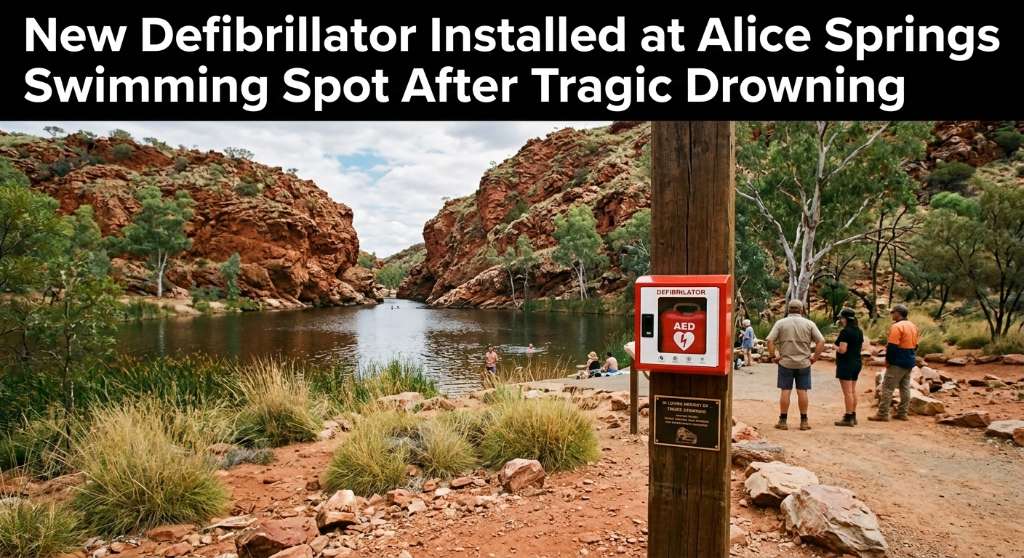
An automated external defibrillator and memorial plaque have been installed at Ellery Creek Big Hole following the death of disability advocate Ellen Fr...
Bathurst New South Wales · Community News · 17 Sep 2026
Kerry “Pecky” Peck, a long-standing Bathurst radio personality, has been inducted into the Bathurst Business Hall of Fame in recognition of his extensive contribution to the loc...
An automated external defibrillator and memorial plaque have been installed at Ellery Creek Big Hole following the death of disability advocate Ellen Fr...
Paramedics responding to an emergency in Alice Springs were forced to use a stretcher as a barricade after an armed and allegedly intoxicated group beca...
Newcastle New South Wales · Travel News · 19 Sep 2026
A driver has come under police investigation in Newcastle after allegedly being detected travelling at 148km/h on the M1 on 19 September 2026. The incident is listed among Newca...
Emergency services were called to a home on Chambers Avenue in Bondi Beach at about 5:15pm on Saturday, 19 September 2026, following reports of a stabbing. NSW Police and parame...