Safety note: Admin approval is an initial review, not a guarantee that every detail is correct. Check important or urgent claims with official sources and report anything inaccurate or unsafe.
Source and credit: Contributor's own report
Australian Activewear Brand STAX Enters Liquidation as Company Searches for Buyer - Sydney, NSW
Smart summary
Popular Australian fitness fashion label STAX has appointed liquidators while efforts continue to find a buyer and save the struggling business from collapse.
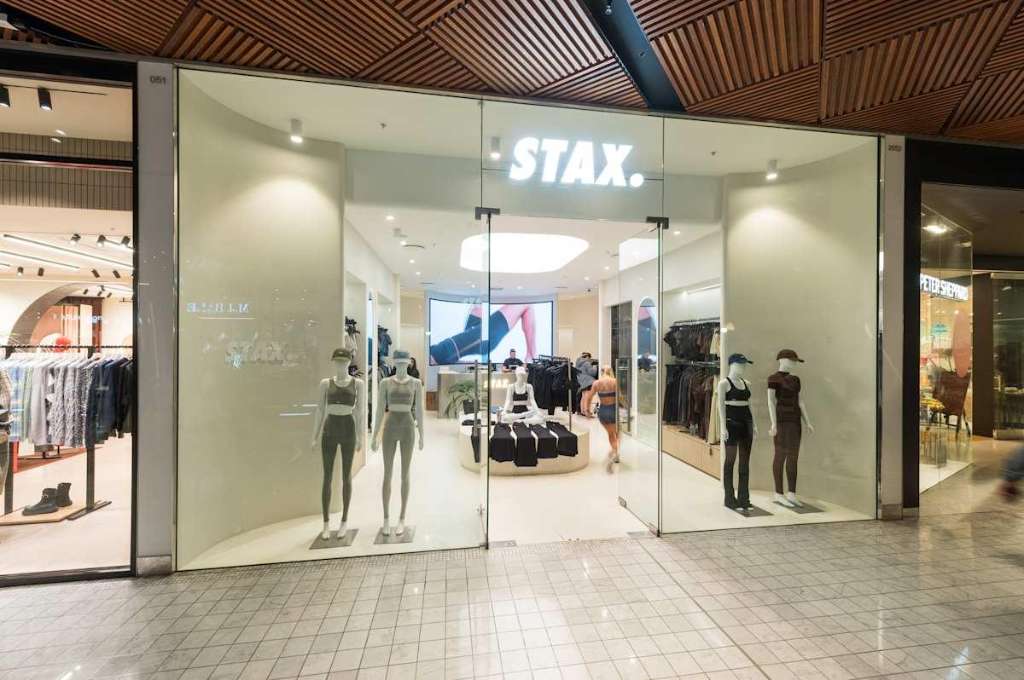
Australian activewear brand STAX has entered liquidation after facing financial difficulties, marking a major setback for one of the country's most recognisable fitness fashion companies. The brand, which built a strong following among customers and influencers, has appointed liquidators as it searches for a potential buyer to keep the business operating.
The move follows the appointment of receivers earlier in 2026 after financial pressures affected the company's operations. The receivers began reviewing the business, working with suppliers and stakeholders while exploring options including a possible sale. The liquidation process now allows appointed liquidators to manage company assets, debts and creditor claims while a buyer search continues.
STAX was founded in 2015 by Don Robertson and Matilda Murray and grew from a small start-up into a major Australian activewear brand. The company became well known for its fashionable workout clothing, inclusive sizing and strong online presence. At its peak, the business reportedly achieved significant annual revenue and built a large customer community.
The brand gained popularity through social media marketing and celebrity attention, helping it compete with international activewear companies. STAX developed a reputation for combining fitness clothing with lifestyle fashion, attracting customers who wanted both performance and everyday wear.
However, the company later faced financial challenges linked to rising business costs, supply chain pressures and difficulties maintaining growth in a competitive retail market. Despite attempts to restructure operations and secure a future for the business, external managers were brought in to assess options.
Customers have been warned that some orders may not be fulfilled due to ongoing supply chain issues. The company has also advised that gift cards and credit notes may not currently be honoured, creating uncertainty for some shoppers. Returns and exchanges have also been affected during the restructuring process.
The liquidation comes after efforts to find a buyer for the company. Potential investors and industry players have been approached as part of a sale process aimed at preserving the brand, its intellectual property and customer base.
Retail experts say the collapse highlights the pressure facing Australian fashion businesses, particularly online-first brands that experienced rapid growth but later struggled with changing consumer behaviour, increasing costs and competition from global retailers.
The STAX situation also reflects wider challenges in Australia's retail sector, where several fashion and lifestyle brands have faced financial difficulties despite strong customer recognition and online popularity.
For loyal STAX customers, employees and suppliers, the future of the brand remains uncertain. The liquidators and receivers will continue assessing options while attempting to maximise returns for creditors and determine whether the business can continue under new ownership.
BrandCompanyBusinessStaxActivewear
Australian activewear brand STAX has entered liquidation after facing financial difficulties, marking a major setback for one of the country's most recognisable fitness fashion companies. The brand, which built a strong following among customers and influencers, has appointed liquidators as it searches for a potential buyer to keep the business operating.
The move follows the appointment of receivers earlier in 2026 after financial pressures affected the company's operations. The receivers began reviewing the business, working with suppliers and stakeholders while exploring options including a possible sale. The liquidation process now allows appointed liquidators to manage company assets, debts and creditor claims while a buyer search continues.
STAX was founded in 2015 by Don Robertson and Matilda Murray and grew from a small start-up into a major Australian activewear brand. The company became well known for its fashionable workout clothing, inclusive sizing and strong online presence. At its peak, the business reportedly achieved significant annual revenue and built a large customer community.
The brand gained popularity through social media marketing and celebrity attention, helping it compete with international activewear companies. STAX developed a reputation for combining fitness clothing with lifestyle fashion, attracting customers who wanted both performance and everyday wear.
However, the company later faced financial challenges linked to rising business costs, supply chain pressures and difficulties maintaining growth in a competitive retail market. Despite attempts to restructure operations and secure a future for the business, external managers were brought in to assess options.
Customers have been warned that some orders may not be fulfilled due to ongoing supply chain issues. The company has also advised that gift cards and credit notes may not currently be honoured, creating uncertainty for some shoppers. Returns and exchanges have also been affected during the restructuring process.
The liquidation comes after efforts to find a buyer for the company. Potential investors and industry players have been approached as part of a sale process aimed at preserving the brand, its intellectual property and customer base.
Retail experts say the collapse highlights the pressure facing Australian fashion businesses, particularly online-first brands that experienced rapid growth but later struggled with changing consumer behaviour, increasing costs and competition from global retailers.
The STAX situation also reflects wider challenges in Australia's retail sector, where several fashion and lifestyle brands have faced financial difficulties despite strong customer recognition and online popularity.
For loyal STAX customers, employees and suppliers, the future of the brand remains uncertain. The liquidators and receivers will continue assessing options while attempting to maximise returns for creditors and determine whether the business can continue under new ownership.
Cairns Regional Council has unanimously voted to seek $400,000 in Queensland Government funding for a program designed to connect local businesses with the region’s growing film...
Albury New South Wales · Business News · 17 Sep 2026
An Australian artificial intelligence company has purchased the former Visy paper mill site at Ettamogah, north of Albury, in a significant local business The company, Sharon AI...
A new multi-million-dollar poultry-processing facility has officially opened near Tamworth, bringing major investment and new employment opportunities t...
A 36-year-old man has been charged after investigators allegedly found fraudulent identification documents, cloned number plates, cash and drug-manufact...
A Sydney court has heard that a man sent 249 messages to a former partner within 24 hours, with the messages treated as a single alleged breach of an ap...
A high-profile athlete has returned to court and told the hearing that an alleged unwanted kiss by former broadcaster Alan Jones remained difficult to f...
Work on the $150 million Sydney Town Hall Square project has been paused after the NSW Planning Minister referred the development for review by the Inde...
Cairns Regional Council has unanimously voted to seek $400,000 in Queensland Government funding for a program designed to connect local businesses with the region’s growing film...
An automated external defibrillator and memorial plaque have been installed at Ellery Creek Big Hole following the death of disability advocate Ellen Fr...
Queensland firefighters spent several hours monitoring a significant grass fire at Mary Kinross Park in Bargara, near Bundaberg, after the blaze broke out on Wednesday evening....