Cairns Mayor Amy Eden Faces Scrutiny Over Election Commitments
By Neha · Published 18 Jun 2026 · Updated 18 Jun 2026
Cairns, Queensland · Queensland News
Safety note: Admin approval is an initial review, not a guarantee that every detail is correct. Check important or urgent claims with official sources and report anything inaccurate or unsafe.
Source and credit: Contributor's own report
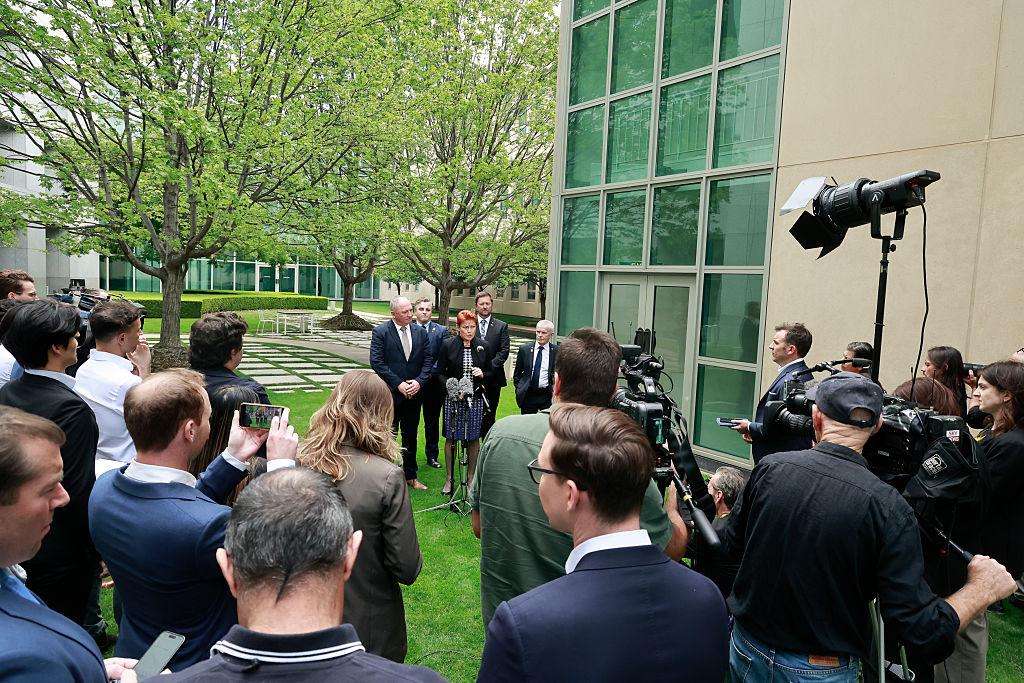
Cairns Mayor Amy Eden at a public event.
Smart summary
More than two years into her term, Cairns Mayor Amy Eden is under increasing pressure to deliver on the key election promises that defined her campaign.
As Cairns residents look toward the second half of the local government term, attention is increasingly turning to whether Mayor Amy Eden and her administration can deliver on the promises that formed the foundation of her successful election campaign.
Eden was elected Mayor of Cairns after defeating incumbent mayor Terry James in the 2024 local government election, promising a renewed focus on transparency, community engagement, infrastructure investment and economic growth.
Her campaign centred on creating a more connected and vibrant Cairns, with commitments aimed at improving local services, reducing bureaucracy, enhancing public spaces and strengthening relationships between council and residents. Priorities included improving community consultation, supporting business growth, expanding transport and pedestrian infrastructure, increasing public safety initiatives and advocating for major regional projects.
Since taking office, the council has overseen a range of initiatives, including support for community events, waste management programs, infrastructure planning and water security projects. The administration has also continued advocating for major regional infrastructure such as upgrades to transport corridors and housing-enabling infrastructure needed to support population growth.
However, like many local governments across Australia, Cairns Regional Council has faced significant challenges. Rising operational costs, housing affordability concerns, population growth pressures and infrastructure demands have created a difficult environment for delivering major projects while maintaining financial sustainability.
Political observers note that election campaigns often generate high expectations among voters. As a result, mayors and councils are frequently judged not only on completed projects but also on their ability to demonstrate measurable progress toward long-term goals.
Supporters of Eden argue that many of the issues facing Cairns require cooperation from state and federal governments and cannot be resolved solely through local government action. They point to ongoing advocacy efforts and planning work as evidence that the council is moving in the right direction.
Critics, meanwhile, say residents expect to see more visible outcomes from election commitments, particularly in areas such as infrastructure delivery, community services and economic development. They argue that the remaining years of the council term will be crucial in determining whether voters believe sufficient progress has been achieved.
The debate reflects broader challenges faced by regional cities throughout Australia, where councils must balance growth, infrastructure investment, environmental sustainability and community expectations within limited budgets.
As Cairns approaches future local government elections, the performance of the Eden administration is likely to remain under close scrutiny. Residents will be looking for evidence that campaign priorities are translating into practical outcomes that improve everyday life across the region.
For Mayor Eden, the coming months may prove decisive in shaping public perceptions of her leadership and determining whether the vision presented during the election campaign becomes a lasting legacy.
InfrastructureCairnsEdenElectionCommunity
As Cairns residents look toward the second half of the local government term, attention is increasingly turning to whether Mayor Amy Eden and her administration can deliver on the promises that formed the foundation of her successful election campaign.
Eden was elected Mayor of Cairns after defeating incumbent mayor Terry James in the 2024 local government election, promising a renewed focus on transparency, community engagement, infrastructure investment and economic growth.
Her campaign centred on creating a more connected and vibrant Cairns, with commitments aimed at improving local services, reducing bureaucracy, enhancing public spaces and strengthening relationships between council and residents. Priorities included improving community consultation, supporting business growth, expanding transport and pedestrian infrastructure, increasing public safety initiatives and advocating for major regional projects.
Since taking office, the council has overseen a range of initiatives, including support for community events, waste management programs, infrastructure planning and water security projects. The administration has also continued advocating for major regional infrastructure such as upgrades to transport corridors and housing-enabling infrastructure needed to support population growth.
However, like many local governments across Australia, Cairns Regional Council has faced significant challenges. Rising operational costs, housing affordability concerns, population growth pressures and infrastructure demands have created a difficult environment for delivering major projects while maintaining financial sustainability.
Political observers note that election campaigns often generate high expectations among voters. As a result, mayors and councils are frequently judged not only on completed projects but also on their ability to demonstrate measurable progress toward long-term goals.
Supporters of Eden argue that many of the issues facing Cairns require cooperation from state and federal governments and cannot be resolved solely through local government action. They point to ongoing advocacy efforts and planning work as evidence that the council is moving in the right direction.
Critics, meanwhile, say residents expect to see more visible outcomes from election commitments, particularly in areas such as infrastructure delivery, community services and economic development. They argue that the remaining years of the council term will be crucial in determining whether voters believe sufficient progress has been achieved.
The debate reflects broader challenges faced by regional cities throughout Australia, where councils must balance growth, infrastructure investment, environmental sustainability and community expectations within limited budgets.
As Cairns approaches future local government elections, the performance of the Eden administration is likely to remain under close scrutiny. Residents will be looking for evidence that campaign priorities are translating into practical outcomes that improve everyday life across the region.
For Mayor Eden, the coming months may prove decisive in shaping public perceptions of her leadership and determining whether the vision presented during the election campaign becomes a lasting legacy.
The Federal Government is preparing new measures targeting temporary visas, visa overstayers, international students and visa-hopping, while maintaining...
One Nation’s proposed major reduction in migration has triggered warnings that a sharp cut to population growth could weaken Australia’s economy and cre...
Cairns Regional Council has unanimously voted to seek $400,000 in Queensland Government funding for a program designed to connect local businesses with the region’s growing film...
Queensland Police have reported the seizure of more than 1,400 weapons following the expansion of Jack’s Law, with new figures released as authorities continue to use handheld m...
Cairns and the wider Far North Queensland region are continuing to face significant challenges associated with domestic and family violence, with local support services reportin...
Queensland Police have arrested a 13-year-old boy following an alleged vehicle theft in Manoora, Cairns. According to police, officers from the Cairns Dog Squad located the teen...
Queensland's emerging football prospects are coming together for a three-day Brisbane Lions State Academy showcase, giving young players an opportunity...
A Wavell Heights enrolled nurse has been charged with four counts of alleged sexual assault and one count of wilful exposure, with his professional regi...
A 24-year-old Carina Heights man has been charged with 36 offences following an investigation into alleged break-ins, vehicle offences and other propert...
Cairns Regional Council has unanimously voted to seek $400,000 in Queensland Government funding for a program designed to connect local businesses with the region’s growing film...
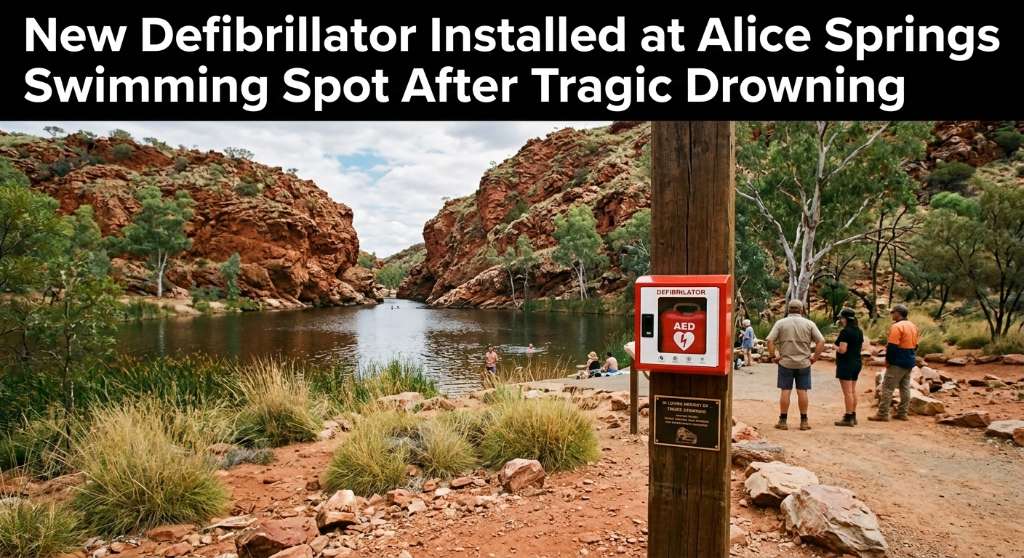
An automated external defibrillator and memorial plaque have been installed at Ellery Creek Big Hole following the death of disability advocate Ellen Fr...
Queensland firefighters spent several hours monitoring a significant grass fire at Mary Kinross Park in Bargara, near Bundaberg, after the blaze broke out on Wednesday evening....