Hobart Stadium to Proceed Despite Funding Shortfall, Tasmania Treasurer Says
By Chloe · Published 27 Nov 2026 · Updated 27 Nov 2026
Hobart, TAS · Tasmania News
Safety note: Admin approval is an initial review, not a guarantee that every detail is correct. Check important or urgent claims with official sources and report anything inaccurate or unsafe.
Source and credit: Contributor's own report
Hobart Stadium to Proceed Despite Funding Shortfall, Tasmania Treasurer Says - Hobart, TAS
Smart summary
Tasmania's government expects to continue building the Macquarie Point stadium even if it cannot secure additional money from the federal government or sporting organisations. The project's rising cost has raised ques...
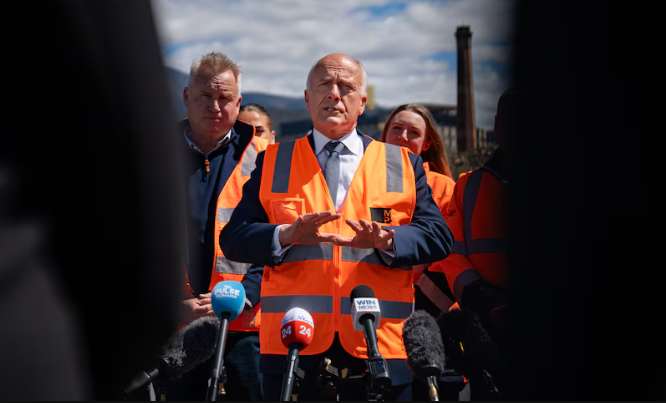
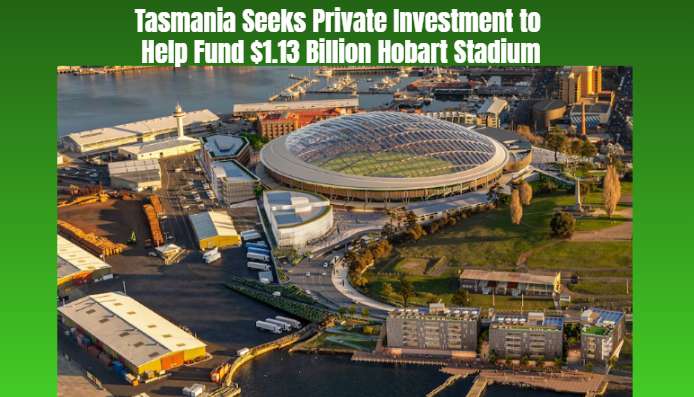
Tasmania's proposed Macquarie Point stadium in Hobart is expected to proceed even if the state government cannot obtain further financial contributions from the Commonwealth, the Australian Football League (AFL) or Cricket Australia. Treasurer Eric Abetz confirmed the government's position while appearing before a parliamentary Public Accounts Committee on Friday.
The stadium is planned as the future home of the Tasmania Devils AFL team. It is also a major part of the state's agreement to enter the national Australian Football League competition. The project has been the subject of political debate because its estimated cost has increased and the government has not yet secured all the funding it hopes to receive.
The latest government estimate puts the stadium construction cost at approximately $1.23 billion. When wider precinct infrastructure and project delivery costs are included, the overall figure rises to around $1.54 billion. The additional costs include work such as a car park and power supply infrastructure.
The state government had previously committed to limiting its contribution to $875 million. However, Treasurer Abetz acknowledged that the government was unlikely to meet that commitment. He said the situation had changed because of unexpected cost pressures, including higher construction and material expenses linked to international uncertainty.
During the committee hearing, opposition representatives questioned how much additional public money might be required if other funding partners did not increase their contributions. Abetz did not provide a final figure, saying the total would become clearer once the final construction price was known. He nevertheless indicated that the government expected to continue with the project.
The federal government has committed $240 million towards the broader precinct, while the AFL has pledged $15 million. Tasmania has also approached other organisations, including Cricket Australia, seeking additional support.
Another issue raised during the hearing was how the project would be financed if the final cost remained above the current funding arrangements. Officials discussed the possibility of financing support through the state's public financing corporation, Tas CORP. The government has not yet confirmed a final borrowing limit.
The construction contract is expected to be finalised after negotiations with the preferred builder, BESIX Watpac. The final contract is scheduled to be signed on December 18, subject to the government's approval.
The stadium remains a significant infrastructure project for Hobart, but its rising cost has intensified debate about borrowing, taxpayer contributions and the government's earlier spending commitments. Further financial details are expected as contract negotiations reach their conclusion.
GovernmentCostFinalProjectStadium
Tasmania's proposed Macquarie Point stadium in Hobart is expected to proceed even if the state government cannot obtain further financial contributions from the Commonwealth, the Australian Football League (AFL) or Cricket Australia. Treasurer Eric Abetz confirmed the government's position while appearing before a parliamentary Public Accounts Committee on Friday.
The stadium is planned as the future home of the Tasmania Devils AFL team. It is also a major part of the state's agreement to enter the national Australian Football League competition. The project has been the subject of political debate because its estimated cost has increased and the government has not yet secured all the funding it hopes to receive.
The latest government estimate puts the stadium construction cost at approximately $1.23 billion. When wider precinct infrastructure and project delivery costs are included, the overall figure rises to around $1.54 billion. The additional costs include work such as a car park and power supply infrastructure.
The state government had previously committed to limiting its contribution to $875 million. However, Treasurer Abetz acknowledged that the government was unlikely to meet that commitment. He said the situation had changed because of unexpected cost pressures, including higher construction and material expenses linked to international uncertainty.
During the committee hearing, opposition representatives questioned how much additional public money might be required if other funding partners did not increase their contributions. Abetz did not provide a final figure, saying the total would become clearer once the final construction price was known. He nevertheless indicated that the government expected to continue with the project.
The federal government has committed $240 million towards the broader precinct, while the AFL has pledged $15 million. Tasmania has also approached other organisations, including Cricket Australia, seeking additional support.
Another issue raised during the hearing was how the project would be financed if the final cost remained above the current funding arrangements. Officials discussed the possibility of financing support through the state's public financing corporation, Tas CORP. The government has not yet confirmed a final borrowing limit.
The construction contract is expected to be finalised after negotiations with the preferred builder, BESIX Watpac. The final contract is scheduled to be signed on December 18, subject to the government's approval.
The stadium remains a significant infrastructure project for Hobart, but its rising cost has intensified debate about borrowing, taxpayer contributions and the government's earlier spending commitments. Further financial details are expected as contract negotiations reach their conclusion.
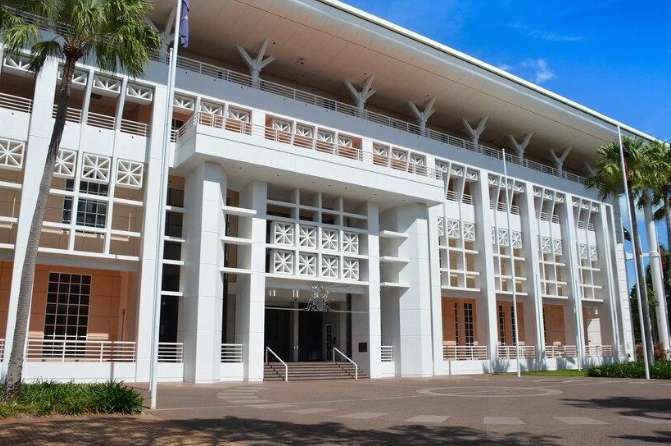
The Northern Territory Parliament has passed legislation changing its environmental and water management framework, introducing clearer water allocation...
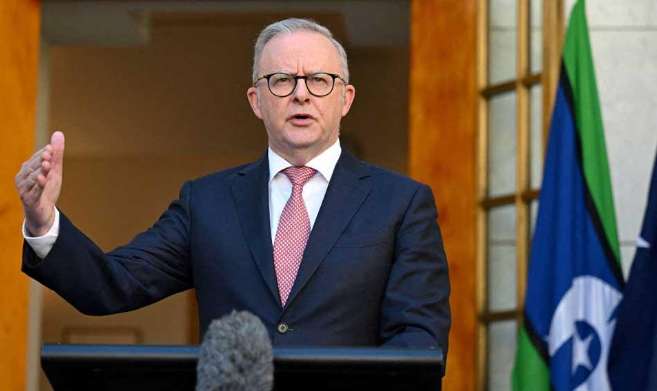
The Albanese government has passed legislation to reserve Australian gas for domestic use, aiming to improve supply security and put downward pressure o...
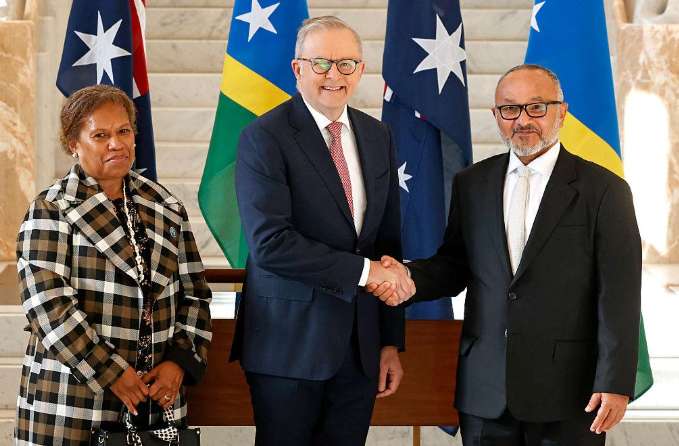
Prime Minister Anthony Albanese and Solomon Islands Prime Minister Matthew Wale sign a major agreement strengthening regional security, policing, educat...
A new policy decision will protect eligible pensioners from losing access to a private health insurance rebate, providing relief amid rising household a...
The Tasmanian Government has begun approaching potential financial partners as concerns grow over the rising cost of the proposed Macquarie Point stadiu...
A kindness campaign founder, a long-serving community volunteer, a young hip-hop artist and a wildlife conservationist have been recognised for their co...
Tasmania's international export value has increased by 17.6 per cent, more than three times Australia's national growth rate, reaching a record high of...
Renewable energy company Vestas has removed a 120-metre wind-monitoring tower from a proposed wind farm site on the Western Downs after local pilots rep...
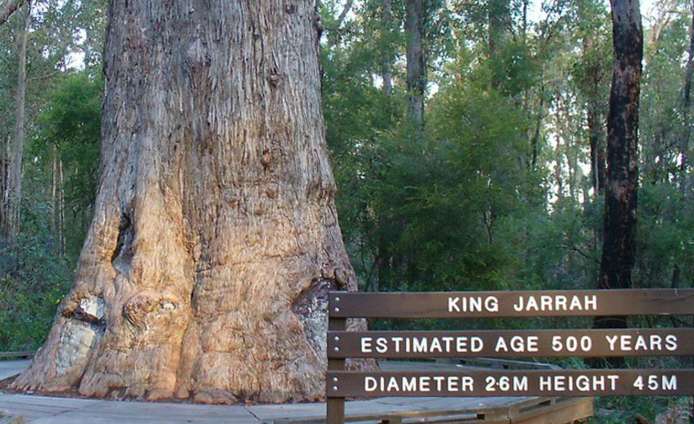
A landmark jarrah tree in Wellington National Park has been cut with a chainsaw near its base, prompting a police investigation and fears that the ancie...
Victoria's Labour Hire Authority has uncovered alleged worker exploitation on three farms near Bairnsdale, with workers reportedly receiving up to 35 pe...
Kalgoorlie-Boulder, WA · Business News · 27 Nov 2026
A major hotel development for Kalgoorlie-Boulder in Western Australia is progressing at a manufacturing facility in Malaysia, with modular construction...