Safety note: Admin approval is an initial review, not a guarantee that every detail is correct. Check important or urgent claims with official sources and report anything inaccurate or unsafe.
Source and credit: Contributor's own report
Melbourne Woman Mistakenly Declared Dead After Major Hospital Identification Error - Melbourne, VIC
Smart summary
A Melbourne family endured days of distress after a woman was mistakenly declared dead due to a hospital identification mix-up, prompting an investigation into patient identification procedures.
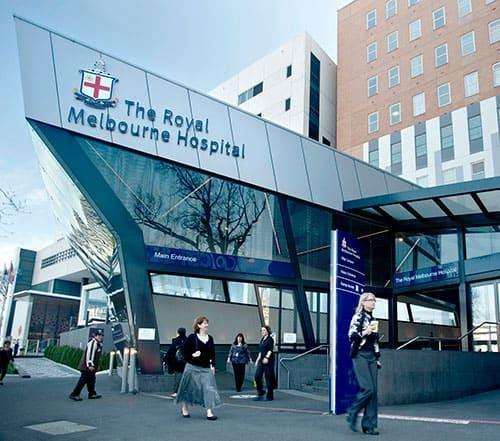
A serious hospital identification error has left a Melbourne family traumatised after a woman was mistakenly declared dead while she was still alive, triggering an internal investigation into how the mix-up occurred.
The incident began after the woman was admitted to hospital for medical treatment. During the course of her care, hospital staff incorrectly identified another deceased patient as the woman, resulting in her family being informed that she had died.
Believing their loved one had passed away, relatives began making funeral arrangements and notifying family members. The devastating news caused significant emotional distress before the mistake was eventually discovered.
Hospital staff later confirmed that the woman was alive and had been incorrectly identified because of an administrative and patient identification error. The family was informed of the mistake, bringing relief but also raising serious concerns about hospital procedures and communication.
Health officials have apologised to the family and acknowledged the significant emotional impact caused by the incident. The hospital has launched a formal review to determine exactly how the error occurred and whether existing patient identification protocols were followed correctly.
The investigation will examine admission processes, patient record management, identification checks and communication between clinical teams to identify any failures in procedure.
Medical experts say accurate patient identification is one of the most important safety requirements in hospitals. Multiple verification steps are normally used before confirming a patient's identity, including wristbands, medical records, date of birth and other identifying information.
Health organisations note that patient identification errors, while rare, can have serious consequences. Incorrect identification can affect treatment decisions, medical records, family notifications and legal documentation.
Patient safety advocates say hospitals should continue strengthening identification systems through staff training, electronic verification technologies and mandatory cross-checking procedures.
The incident has also highlighted the importance of clear communication with families during medical emergencies. Health services are expected to provide timely, accurate information while ensuring identities are confirmed before sensitive notifications are made.
Victorian health authorities are expected to review the findings of the investigation and consider whether additional safeguards are required to reduce the risk of similar incidents occurring in the future.
The affected family has described the experience as deeply distressing, saying the emotional impact of believing a loved one had died, only to later discover she was alive, is difficult to comprehend.
The hospital has expressed regret for the incident and reaffirmed its commitment to patient safety, quality care and learning from the investigation's findings.
While the woman continues to receive medical care, the case has prompted broader discussion about hospital safety systems and the importance of robust patient identification procedures in Australia's healthcare system.
The outcome of the investigation is expected to help strengthen processes designed to protect patients and provide greater confidence for families relying on hospital care.
HospitalIdentificationPatientFamilyMedical
A serious hospital identification error has left a Melbourne family traumatised after a woman was mistakenly declared dead while she was still alive, triggering an internal investigation into how the mix-up occurred.
The incident began after the woman was admitted to hospital for medical treatment. During the course of her care, hospital staff incorrectly identified another deceased patient as the woman, resulting in her family being informed that she had died.
Believing their loved one had passed away, relatives began making funeral arrangements and notifying family members. The devastating news caused significant emotional distress before the mistake was eventually discovered.
Hospital staff later confirmed that the woman was alive and had been incorrectly identified because of an administrative and patient identification error. The family was informed of the mistake, bringing relief but also raising serious concerns about hospital procedures and communication.
Health officials have apologised to the family and acknowledged the significant emotional impact caused by the incident. The hospital has launched a formal review to determine exactly how the error occurred and whether existing patient identification protocols were followed correctly.
The investigation will examine admission processes, patient record management, identification checks and communication between clinical teams to identify any failures in procedure.
Medical experts say accurate patient identification is one of the most important safety requirements in hospitals. Multiple verification steps are normally used before confirming a patient's identity, including wristbands, medical records, date of birth and other identifying information.
Health organisations note that patient identification errors, while rare, can have serious consequences. Incorrect identification can affect treatment decisions, medical records, family notifications and legal documentation.
Patient safety advocates say hospitals should continue strengthening identification systems through staff training, electronic verification technologies and mandatory cross-checking procedures.
The incident has also highlighted the importance of clear communication with families during medical emergencies. Health services are expected to provide timely, accurate information while ensuring identities are confirmed before sensitive notifications are made.
Victorian health authorities are expected to review the findings of the investigation and consider whether additional safeguards are required to reduce the risk of similar incidents occurring in the future.
The affected family has described the experience as deeply distressing, saying the emotional impact of believing a loved one had died, only to later discover she was alive, is difficult to comprehend.
The hospital has expressed regret for the incident and reaffirmed its commitment to patient safety, quality care and learning from the investigation's findings.
While the woman continues to receive medical care, the case has prompted broader discussion about hospital safety systems and the importance of robust patient identification procedures in Australia's healthcare system.
The outcome of the investigation is expected to help strengthen processes designed to protect patients and provide greater confidence for families relying on hospital care.
An automated external defibrillator and memorial plaque have been installed at Ellery Creek Big Hole following the death of disability advocate Ellen Fr...
Bathurst New South Wales · Community News · 17 Sep 2026
Kerry “Pecky” Peck, a long-standing Bathurst radio personality, has been inducted into the Bathurst Business Hall of Fame in recognition of his extensive contribution to the loc...
A new specialist family-violence support model has been introduced in Ballarat, with dedicated workers now embedded alongside Victoria Police to help people experiencing family...
Orange New South Wales · Community News · 17 Sep 2026
Orange City Council has elected a new Deputy Mayor for the next two years, with the decision announced today, 17 September 2026. The council said the election took place during...
New workplace data shows staff absenteeism jumped sharply during the historic MCG NFL event, while Melbourne businesses also benefited from a major spen...
Cairns Regional Council has unanimously voted to seek $400,000 in Queensland Government funding for a program designed to connect local businesses with the region’s growing film...
An automated external defibrillator and memorial plaque have been installed at Ellery Creek Big Hole following the death of disability advocate Ellen Fr...
Queensland firefighters spent several hours monitoring a significant grass fire at Mary Kinross Park in Bargara, near Bundaberg, after the blaze broke out on Wednesday evening....