Safety note: Admin approval is an initial review, not a guarantee that every detail is correct. Check important or urgent claims with official sources and report anything inaccurate or unsafe.
Source and credit: Contributor's own report
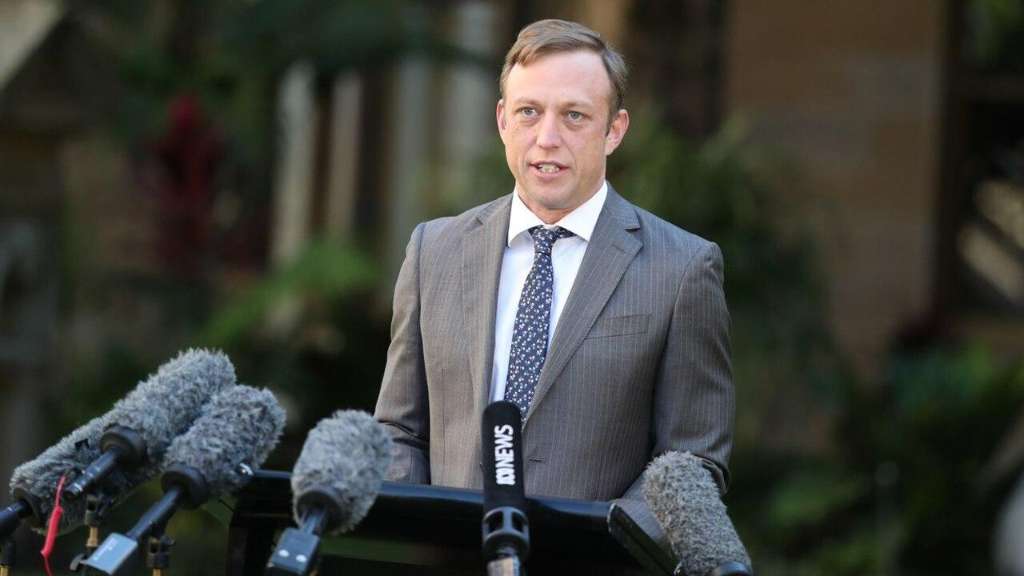
Miles unveils crime data transparency policy in first major announcement as Opposition Leader - Brisbane, Queensland
Smart summary
Queensland Opposition Leader Steven Miles has pledged to release more detailed crime statistics and improve public access to crime data, making law and order the focus of his first major policy announcement since movi...
Queensland Opposition Leader Steven Miles has launched his first major policy initiative since the state election, unveiling a proposal aimed at increasing transparency around crime statistics and public reporting of criminal activity across Queensland.
The policy places a strong emphasis on making crime data more accessible to residents, local communities and policymakers. Under the proposal, Queenslanders would receive greater access to detailed information about crime trends in their local areas, allowing communities to better understand patterns of offending and changes in public safety indicators.
Miles said access to accurate and timely information is essential for informed public debate and effective policymaking. He argued that Queensland residents deserve a clearer picture of crime trends and should have confidence that official statistics accurately reflect what is occurring in their communities.
The proposal comes amid ongoing political debate about youth crime, repeat offending and community safety, issues that have dominated Queensland politics in recent years. Crime remains one of the most significant concerns raised by voters across many regional and metropolitan areas of the state.
According to the Opposition, greater transparency would help local governments, community organisations and residents identify emerging issues more quickly and advocate for targeted responses where needed. Supporters of the proposal argue that publicly available data can assist researchers, policymakers and law enforcement agencies in evaluating which crime prevention strategies are most effective.
The announcement also reflects the Opposition's broader strategy of positioning law and order as a key political battleground. Since entering opposition, Miles has sought to challenge the government on issues relating to crime policy, policing resources and community safety outcomes.
Critics of expanded crime reporting sometimes argue that raw statistics can be misunderstood without proper context. Criminologists often note that changes in reporting practices, population growth and policing activity can influence recorded crime figures. As a result, experts generally recommend that crime data be accompanied by detailed explanations and analysis to help the public interpret trends accurately.
Supporters of increased transparency, however, maintain that access to information strengthens public accountability and trust. They argue that communities are better served when data is readily available and regularly updated.
The policy announcement is expected to generate discussion about how crime information is collected, presented and communicated in Queensland. Questions may also arise regarding the costs of implementing new reporting systems and ensuring that data remains accurate, timely and easy to understand.
Political observers note that selecting crime data transparency as his first major policy initiative signals Miles' intention to remain active in debates surrounding community safety and justice policy. It also provides an early indication of the issues the Opposition may prioritise as it seeks to rebuild support ahead of future elections.
The Queensland Government has previously highlighted investments in policing, crime prevention programs and justice reforms. Debate is likely to continue over whether greater public access to crime statistics would improve community confidence or simply add another dimension to ongoing political arguments about law and order.
As Queensland's political landscape evolves, crime and public safety are expected to remain central issues, with both major parties continuing to offer competing approaches to addressing community concerns.
CrimeDataPolicyQueenslandCommunity
Queensland Opposition Leader Steven Miles has launched his first major policy initiative since the state election, unveiling a proposal aimed at increasing transparency around crime statistics and public reporting of criminal activity across Queensland.
The policy places a strong emphasis on making crime data more accessible to residents, local communities and policymakers. Under the proposal, Queenslanders would receive greater access to detailed information about crime trends in their local areas, allowing communities to better understand patterns of offending and changes in public safety indicators.
Miles said access to accurate and timely information is essential for informed public debate and effective policymaking. He argued that Queensland residents deserve a clearer picture of crime trends and should have confidence that official statistics accurately reflect what is occurring in their communities.
The proposal comes amid ongoing political debate about youth crime, repeat offending and community safety, issues that have dominated Queensland politics in recent years. Crime remains one of the most significant concerns raised by voters across many regional and metropolitan areas of the state.
According to the Opposition, greater transparency would help local governments, community organisations and residents identify emerging issues more quickly and advocate for targeted responses where needed. Supporters of the proposal argue that publicly available data can assist researchers, policymakers and law enforcement agencies in evaluating which crime prevention strategies are most effective.
The announcement also reflects the Opposition's broader strategy of positioning law and order as a key political battleground. Since entering opposition, Miles has sought to challenge the government on issues relating to crime policy, policing resources and community safety outcomes.
Critics of expanded crime reporting sometimes argue that raw statistics can be misunderstood without proper context. Criminologists often note that changes in reporting practices, population growth and policing activity can influence recorded crime figures. As a result, experts generally recommend that crime data be accompanied by detailed explanations and analysis to help the public interpret trends accurately.
Supporters of increased transparency, however, maintain that access to information strengthens public accountability and trust. They argue that communities are better served when data is readily available and regularly updated.
The policy announcement is expected to generate discussion about how crime information is collected, presented and communicated in Queensland. Questions may also arise regarding the costs of implementing new reporting systems and ensuring that data remains accurate, timely and easy to understand.
Political observers note that selecting crime data transparency as his first major policy initiative signals Miles' intention to remain active in debates surrounding community safety and justice policy. It also provides an early indication of the issues the Opposition may prioritise as it seeks to rebuild support ahead of future elections.
The Queensland Government has previously highlighted investments in policing, crime prevention programs and justice reforms. Debate is likely to continue over whether greater public access to crime statistics would improve community confidence or simply add another dimension to ongoing political arguments about law and order.
As Queensland's political landscape evolves, crime and public safety are expected to remain central issues, with both major parties continuing to offer competing approaches to addressing community concerns.
A four-metre-high 3D-printed sculpture celebrating Australian children's author Andy Griffiths has gone on display at Canberra's National Portrait Gallery.
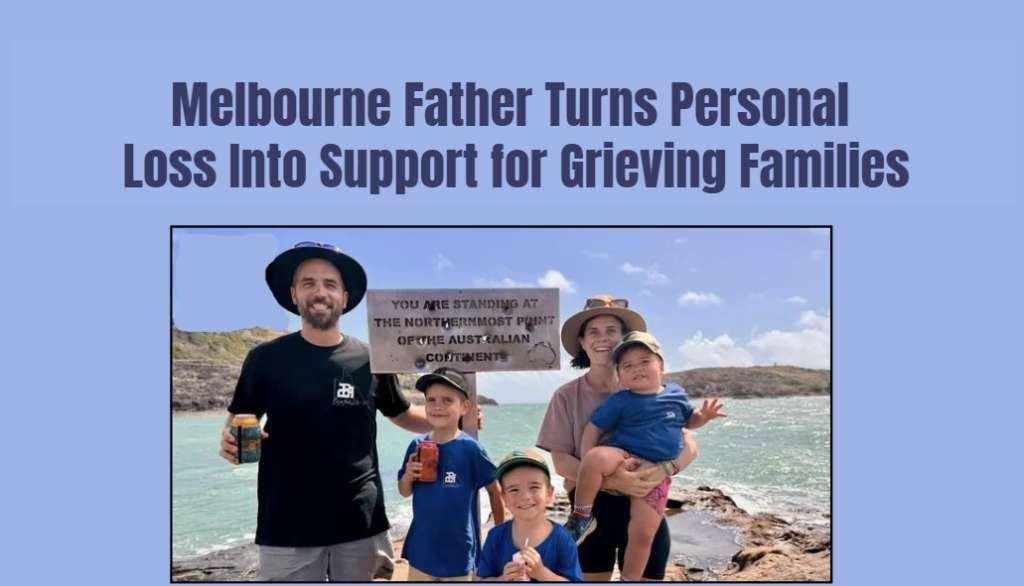
After losing two sons, Melbourne father Nick Olney has established a charity helping grieving parents preserve memories of their babies and access suppo...
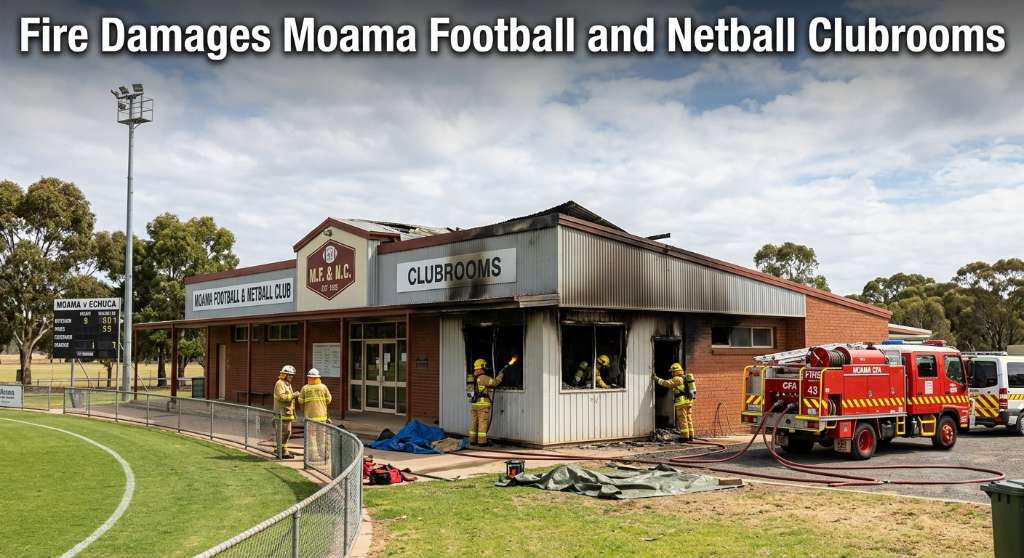
A fire damaged the Moama Football and Netball Club's social rooms during Saturday's grand final, forcing about 1,000 people to leave the building becaus...
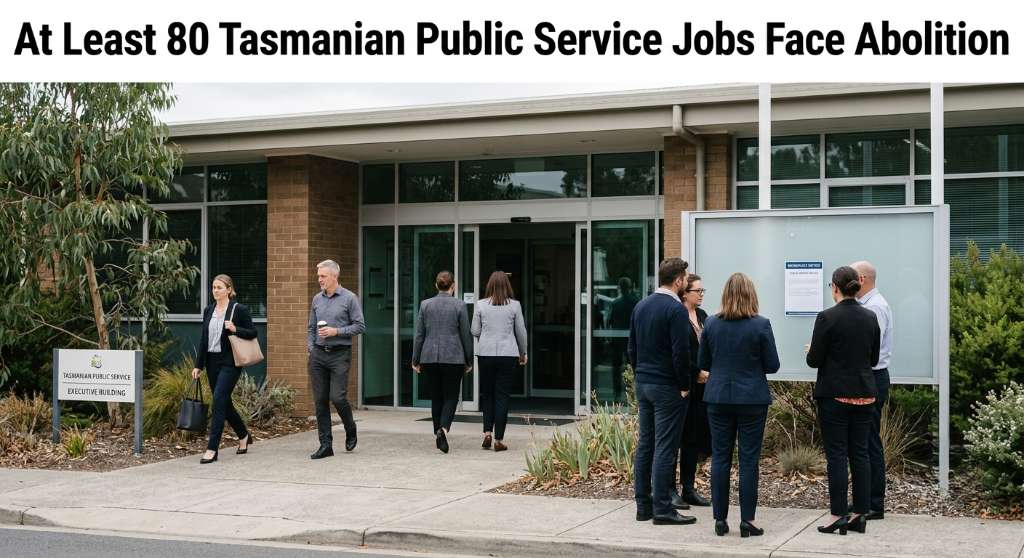
At least 80 positions have been identified for abolition as Tasmania restructures parts of its public service and works toward a broader reduction in go...
A 50-year-old man has died after being struck by a vehicle in Fernvale, west of Brisbane, with police launching a homicide investigation and arresting a...
Amateur astronomers are using new telescope technology to photograph the Moon, planets and distant galaxies from Brisbane homes, showing that city skies...
Severe weather in Melbourne has caused flight disruptions from Brisbane, with at least one flight cancelled and other services delayed as passengers tra...
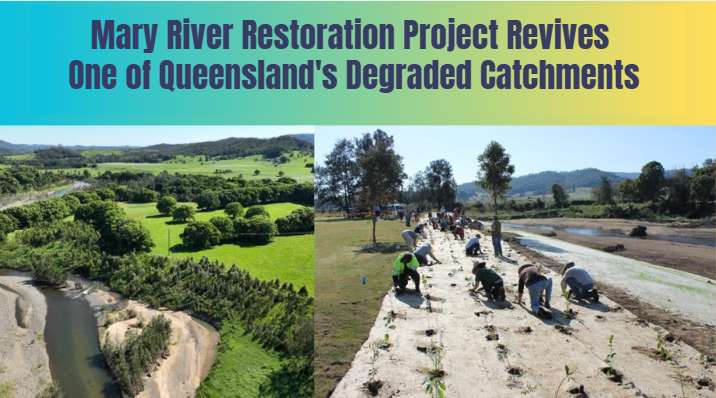
A long-running community restoration effort along Queensland's Mary River is reducing erosion, improving water quality and helping restore habitat for n...
A 50-year-old man has died after being struck by a vehicle in Fernvale, west of Brisbane, with police launching a homicide investigation and arresting a...
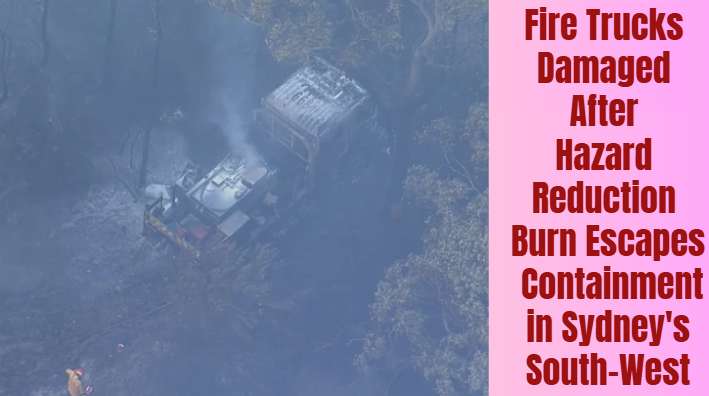
Multiple Rural Fire Service trucks were damaged after a planned hazard reduction burn at Wedderburn in Sydney's south-west escaped containment on Saturday.
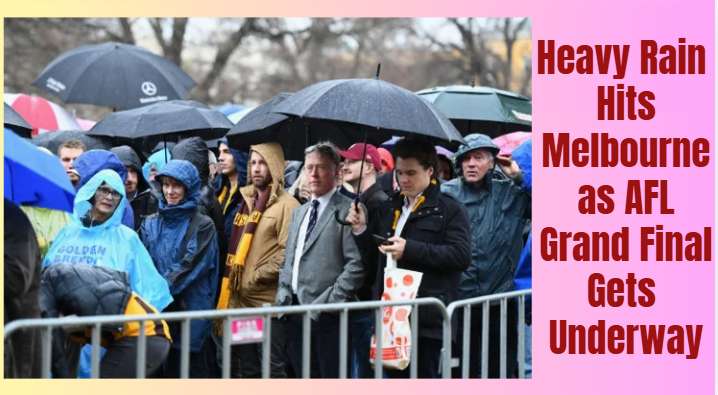
Wet conditions at the Melbourne Cricket Ground are creating difficult conditions for the AFL Grand Final, while poor weather has also disrupted flights...
Amateur astronomers are using new telescope technology to photograph the Moon, planets and distant galaxies from Brisbane homes, showing that city skies...