More Than 100,000 Illegal Exotic Cockroaches Seized in Record Australian Biosecurity Bust
By Neha Maurya · Published 19 Jun 2026 · Updated 19 Jun 2026
Bathurst, NSW · New South Wales News
Safety note: Admin approval is an initial review, not a guarantee that every detail is correct. Check important or urgent claims with official sources and report anything inaccurate or unsafe.
Source and credit: Contributor's own report
More Than 100,000 Illegal Exotic Cockroaches Seized in Record Australian Biosecurity Bust - Bathurst, NSW
Smart summary
Authorities have confiscated more than 100,000 exotic cockroaches from an alleged commercial breeder in Bathurst, marking Australia's largest-ever seizure of illegal exotic invertebrates and raising concerns about the...
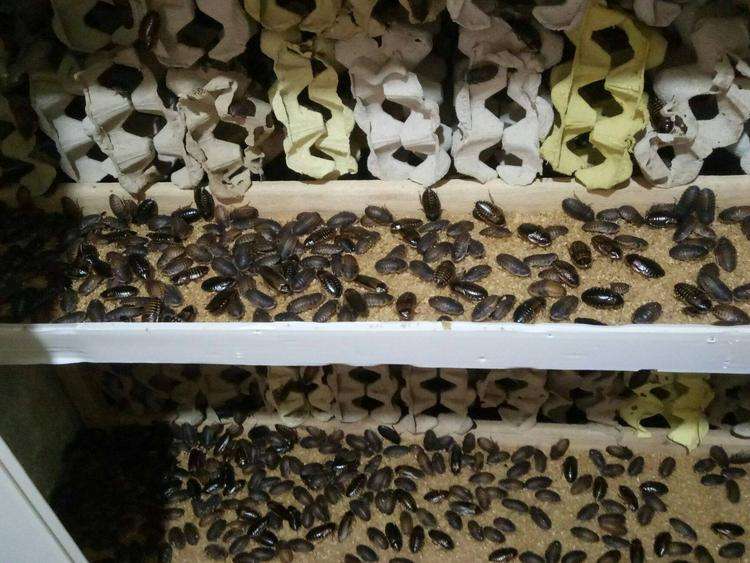
Australian biosecurity authorities have carried out what is believed to be the country's largest-ever seizure of illegal exotic invertebrates, confiscating more than 100,000 live cockroaches from a property in regional New South Wales. The operation took place in Bathurst and involved the seizure of thousands of breeding colonies of exotic cockroach species that are prohibited under Australian law.
The haul consisted primarily of Madagascar hissing cockroaches and dubia cockroaches, both of which are illegal to import, breed, possess or sell in Australia. Officials estimate the insects had a commercial value of up to AUD $200,000, highlighting the scale of the alleged breeding operation.
The seizure was conducted by the Australian Government's Department of Climate Change, Energy, the Environment and Water (DCCEEW), which described the operation as the largest confiscation of illegal exotic invertebrates in Australian history. Authorities said the insects pose potential biosecurity threats because they have not undergone environmental risk assessments and could harm native wildlife, agriculture and ecosystems if released into the wild.
According to officials, the cockroaches were likely destined for the exotic pet and reptile-feeding market. Dubia cockroaches are commonly used overseas as food for reptiles because of their large size and nutritional value. However, Australian authorities have warned reptile owners to use legal alternatives such as crickets and approved native feeder insects instead.
Wildlife experts say the discovery raises concerns about the scale of illegal exotic insect trading in Australia. Policy experts from the Invasive Species Council warned that non-native insects can introduce diseases, parasites and pathogens that may threaten Australia's unique biodiversity. They also noted that insects are relatively easy to transport through mail systems, making enforcement difficult.
Bathurst-based snake catcher Stefanie Lesser told ABC News that the illegal insects have become popular among some reptile keepers because they are larger and more cost-effective than traditional feeder insects. However, she warned that escaped insects carrying diseases could have devastating consequences for native insect populations and the animals that depend on them.
The NSW Department of Primary Industries and Regional Development has been tasked with managing the euthanasia and disposal of the seized insects. Authorities have confirmed that no charges had been laid at the time of reporting, but investigations remain ongoing.
The operation has renewed debate about Australia's strict biosecurity laws and the growing international trade in exotic pets. Environmental groups are calling for stronger penalties and greater resources to combat illegal wildlife trafficking, arguing that prevention is critical to protecting Australia's ecosystems from invasive species.Ba
InsectsExoticIllegalCockroachesAuthorities
Australian biosecurity authorities have carried out what is believed to be the country's largest-ever seizure of illegal exotic invertebrates, confiscating more than 100,000 live cockroaches from a property in regional New South Wales. The operation took place in Bathurst and involved the seizure of thousands of breeding colonies of exotic cockroach species that are prohibited under Australian law.
The haul consisted primarily of Madagascar hissing cockroaches and dubia cockroaches, both of which are illegal to import, breed, possess or sell in Australia. Officials estimate the insects had a commercial value of up to AUD $200,000, highlighting the scale of the alleged breeding operation.
The seizure was conducted by the Australian Government's Department of Climate Change, Energy, the Environment and Water (DCCEEW), which described the operation as the largest confiscation of illegal exotic invertebrates in Australian history. Authorities said the insects pose potential biosecurity threats because they have not undergone environmental risk assessments and could harm native wildlife, agriculture and ecosystems if released into the wild.
According to officials, the cockroaches were likely destined for the exotic pet and reptile-feeding market. Dubia cockroaches are commonly used overseas as food for reptiles because of their large size and nutritional value. However, Australian authorities have warned reptile owners to use legal alternatives such as crickets and approved native feeder insects instead.
Wildlife experts say the discovery raises concerns about the scale of illegal exotic insect trading in Australia. Policy experts from the Invasive Species Council warned that non-native insects can introduce diseases, parasites and pathogens that may threaten Australia's unique biodiversity. They also noted that insects are relatively easy to transport through mail systems, making enforcement difficult.
Bathurst-based snake catcher Stefanie Lesser told ABC News that the illegal insects have become popular among some reptile keepers because they are larger and more cost-effective than traditional feeder insects. However, she warned that escaped insects carrying diseases could have devastating consequences for native insect populations and the animals that depend on them.
The NSW Department of Primary Industries and Regional Development has been tasked with managing the euthanasia and disposal of the seized insects. Authorities have confirmed that no charges had been laid at the time of reporting, but investigations remain ongoing.
The operation has renewed debate about Australia's strict biosecurity laws and the growing international trade in exotic pets. Environmental groups are calling for stronger penalties and greater resources to combat illegal wildlife trafficking, arguing that prevention is critical to protecting Australia's ecosystems from invasive species.Ba
A 21-year-old Bendigo man, Adrian Turnbull, has been sentenced to a maximum of four years and eight months in prison after pleading guilty to a series of offences committed acro...
Wagga Wagga New South Wales · Crime News · 17 Sep 2026
Riverina Police have established a specialised task force in Wagga Wagga to investigate a series of aggravated break-and-enter offences, home invasions and firearm-related incid...
Five-Year Sentence for Albury Police Siege A 36-year-old man, Stephen Bates, has been sentenced to five years in prison following a serious confrontation with police in Lavingto...
A 36-year-old man has been charged after investigators allegedly found fraudulent identification documents, cloned number plates, cash and drug-manufact...
A 36-year-old man has been charged after investigators allegedly found fraudulent identification documents, cloned number plates, cash and drug-manufact...
A Sydney court has heard that a man sent 249 messages to a former partner within 24 hours, with the messages treated as a single alleged breach of an ap...
A high-profile athlete has returned to court and told the hearing that an alleged unwanted kiss by former broadcaster Alan Jones remained difficult to f...
Work on the $150 million Sydney Town Hall Square project has been paused after the NSW Planning Minister referred the development for review by the Inde...
Cairns Regional Council has unanimously voted to seek $400,000 in Queensland Government funding for a program designed to connect local businesses with the region’s growing film...
An automated external defibrillator and memorial plaque have been installed at Ellery Creek Big Hole following the death of disability advocate Ellen Fr...
Queensland firefighters spent several hours monitoring a significant grass fire at Mary Kinross Park in Bargara, near Bundaberg, after the blaze broke out on Wednesday evening....