Safety note: Admin approval is an initial review, not a guarantee that every detail is correct. Check important or urgent claims with official sources and report anything inaccurate or unsafe.
Source and credit: Contributor's own report
Perth Business Community Watches BHP Pilbara Wage Dispute - Perth, WA
Smart summary
Mining strike threat raises concerns across Western Australia’s resources sector
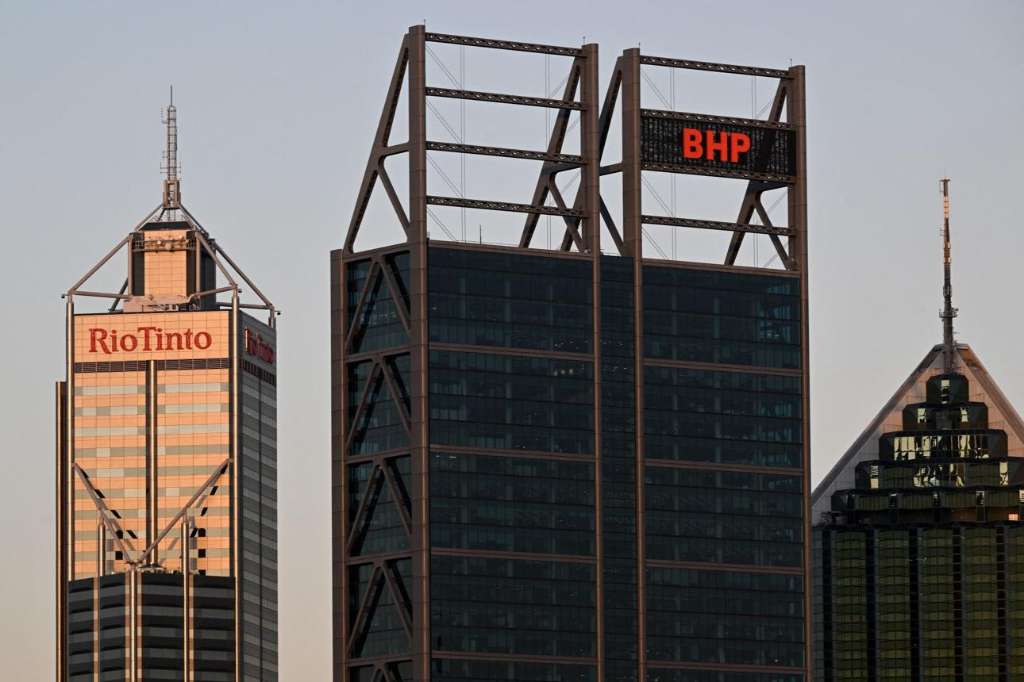
Western Australia’s resources sector is closely monitoring ongoing wage negotiations between mining giant BHP and workers in the Pilbara region, with the possibility of industrial action creating uncertainty across the state’s mining industry. The dispute has attracted significant attention because mining remains one of the most important contributors to Western Australia’s economy, supporting thousands of jobs, regional communities and supply networks connected to Perth.
BHP’s Pilbara operations are among the largest iron ore production networks in the world, with mining sites, rail systems and port facilities operating across the region. While the negotiations are focused on Pilbara workers, the potential impact extends beyond mining sites because Perth serves as a major headquarters and support centre for many resources companies. A disruption to production could affect contractors, transport providers, equipment suppliers and businesses that depend on the resources sector.
Workers and union representatives have raised concerns about employment conditions, pay arrangements and the progress of negotiations. They are seeking outcomes that recognise the contribution of employees who work in demanding remote environments. Mining companies, meanwhile, continue to consider operational costs, market conditions and long-term sustainability when negotiating workforce agreements.
Industrial disputes in the resources sector can have wider economic implications because Western Australia’s mining industry plays a major role in exports and government revenue. Iron ore remains one of the state’s largest export commodities, and any significant reduction in production could influence supply chains and business confidence.
Perth’s business community continues to watch developments closely because many companies in the city provide professional services, engineering support, technology solutions and logistics assistance to mining operations. The resources sector has created a strong connection between Perth’s metropolitan economy and regional mining areas in Western Australia.
Industry experts often highlight the importance of maintaining stable relationships between employers and workers to ensure continued productivity. Successful negotiations can help provide certainty for employees while allowing companies to maintain efficient operations and meet global demand.
The dispute also reflects broader discussions across Australia’s mining industry about wages, workforce shortages and changing expectations from employees. As the sector continues to evolve, companies are balancing the need to attract skilled workers with managing operational expenses.
Government and industry representatives are monitoring the situation as discussions continue. Both sides are expected to work towards a resolution that supports workers while maintaining the stability of one of Australia’s most important economic sectors.
For Perth, the outcome of the negotiations will be closely watched because the city remains the financial and administrative centre of Western Australia’s resources industry. Any changes affecting major mining operations can influence confidence across the broader business community.
MiningIndustryPerthResourcesWorkers
Western Australia’s resources sector is closely monitoring ongoing wage negotiations between mining giant BHP and workers in the Pilbara region, with the possibility of industrial action creating uncertainty across the state’s mining industry. The dispute has attracted significant attention because mining remains one of the most important contributors to Western Australia’s economy, supporting thousands of jobs, regional communities and supply networks connected to Perth.
BHP’s Pilbara operations are among the largest iron ore production networks in the world, with mining sites, rail systems and port facilities operating across the region. While the negotiations are focused on Pilbara workers, the potential impact extends beyond mining sites because Perth serves as a major headquarters and support centre for many resources companies. A disruption to production could affect contractors, transport providers, equipment suppliers and businesses that depend on the resources sector.
Workers and union representatives have raised concerns about employment conditions, pay arrangements and the progress of negotiations. They are seeking outcomes that recognise the contribution of employees who work in demanding remote environments. Mining companies, meanwhile, continue to consider operational costs, market conditions and long-term sustainability when negotiating workforce agreements.
Industrial disputes in the resources sector can have wider economic implications because Western Australia’s mining industry plays a major role in exports and government revenue. Iron ore remains one of the state’s largest export commodities, and any significant reduction in production could influence supply chains and business confidence.
Perth’s business community continues to watch developments closely because many companies in the city provide professional services, engineering support, technology solutions and logistics assistance to mining operations. The resources sector has created a strong connection between Perth’s metropolitan economy and regional mining areas in Western Australia.
Industry experts often highlight the importance of maintaining stable relationships between employers and workers to ensure continued productivity. Successful negotiations can help provide certainty for employees while allowing companies to maintain efficient operations and meet global demand.
The dispute also reflects broader discussions across Australia’s mining industry about wages, workforce shortages and changing expectations from employees. As the sector continues to evolve, companies are balancing the need to attract skilled workers with managing operational expenses.
Government and industry representatives are monitoring the situation as discussions continue. Both sides are expected to work towards a resolution that supports workers while maintaining the stability of one of Australia’s most important economic sectors.
For Perth, the outcome of the negotiations will be closely watched because the city remains the financial and administrative centre of Western Australia’s resources industry. Any changes affecting major mining operations can influence confidence across the broader business community.
Cairns Regional Council has unanimously voted to seek $400,000 in Queensland Government funding for a program designed to connect local businesses with the region’s growing film...
Albury New South Wales · Business News · 17 Sep 2026
An Australian artificial intelligence company has purchased the former Visy paper mill site at Ettamogah, north of Albury, in a significant local business The company, Sharon AI...
A new multi-million-dollar poultry-processing facility has officially opened near Tamworth, bringing major investment and new employment opportunities t...
Two teenagers have appeared in a Perth court after allegedly breaking into a crocodile enclosure and attacking the 400-kilogram reptile with a metal pole.
A 21-year-old man has been charged after investigators allege more than $2 million in suspected criminal proceeds moved through high-frequency, low-valu...
An investigation has raised questions about what happened after NSW's building regulator disciplined a major developer and prepared a public statement a...