Renewed Calls for Great Southern Forest National Park in Tasmania
By Neha Maurya · Published 19 Jun 2026 · Updated 19 Jun 2026
Hobart, Tasmania · Tasmania News
Safety note: Admin approval is an initial review, not a guarantee that every detail is correct. Check important or urgent claims with official sources and report anything inaccurate or unsafe.
Source and credit: Contributor's own report
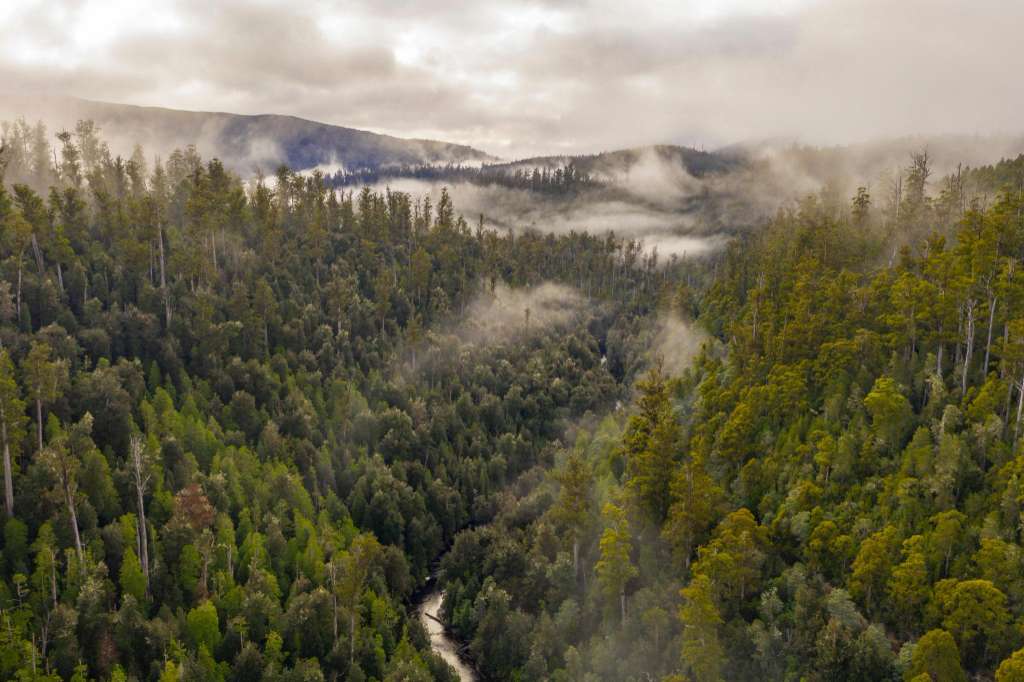
A scenic view of Tasmania's south-west wilderness area.
Smart summary
Conservation groups are advocating for the establishment of a new Great Southern Forest National Park to protect biodiversity and enhance tourism in Tasmania's south-west.
A renewed campaign to establish the proposed Great Southern Forest National Park is gaining attention in Tasmania, with environmental advocates calling for stronger protection of some of Australia's most significant native forests and wilderness landscapes.
The proposal seeks to create a large national park by linking and expanding existing protected areas across Tasmania's south-west and central highlands. Supporters say the park would preserve extensive tracts of old-growth forest, temperate rainforest and critical wildlife habitat while strengthening Tasmania's reputation as a global nature tourism destination. According to conservation groups, the proposed reserve would protect hundreds of thousands of hectares of native forest currently outside formal national park boundaries. Bob Brown Foundation
Advocates argue that the region contains ecosystems of international significance, including ancient forests that have remained largely unchanged for thousands of years. These landscapes provide habitat for a range of native species and contribute to carbon storage, water quality and broader environmental resilience.
The proposal has been championed by former Australian Greens leader Bob Brown and environmental organisations that believe additional protections are needed to prevent future logging and other forms of development in remaining native forest areas. Supporters say the park could become one of Australia's most important conservation projects.
Proponents also highlight the economic benefits they believe could flow from the initiative. Tasmania's wilderness attractions already draw visitors from around the world, and advocates argue a larger protected area could generate tourism opportunities, support regional businesses and create employment linked to eco-tourism and conservation management.
However, the proposal remains controversial. Forestry industry representatives and some regional communities have expressed concerns about potential impacts on timber production and employment. Critics argue that further restrictions on land use could affect businesses that rely on access to forest resources and may reduce economic opportunities in some areas.
The debate reflects broader discussions occurring across Australia about balancing environmental protection with economic development. Supporters of the national park say conservation and tourism can deliver long-term economic benefits, while opponents emphasise the importance of maintaining sustainable forestry operations and regional jobs.
Tasmania is already home to the internationally recognised Tasmanian Wilderness World Heritage Area, one of the world's largest temperate wilderness regions. Conservationists believe the Great Southern Forest proposal would complement existing protected areas by connecting important ecosystems and expanding habitat protection.
The renewed campaign comes amid growing public interest in biodiversity conservation, climate resilience and the preservation of old-growth forests. Environmental groups hope increased awareness will encourage governments to revisit the proposal and consider additional protections for vulnerable forest landscapes.
While no formal government commitment has been made, supporters continue to advocate for the project through public campaigns, community engagement and environmental research. They argue that preserving these forests would provide lasting environmental, cultural and economic benefits for future generations.
ForestEnvironmentalParkTasmaniaConservation
A renewed campaign to establish the proposed Great Southern Forest National Park is gaining attention in Tasmania, with environmental advocates calling for stronger protection of some of Australia's most significant native forests and wilderness landscapes.
The proposal seeks to create a large national park by linking and expanding existing protected areas across Tasmania's south-west and central highlands. Supporters say the park would preserve extensive tracts of old-growth forest, temperate rainforest and critical wildlife habitat while strengthening Tasmania's reputation as a global nature tourism destination. According to conservation groups, the proposed reserve would protect hundreds of thousands of hectares of native forest currently outside formal national park boundaries. Bob Brown Foundation
Advocates argue that the region contains ecosystems of international significance, including ancient forests that have remained largely unchanged for thousands of years. These landscapes provide habitat for a range of native species and contribute to carbon storage, water quality and broader environmental resilience.
The proposal has been championed by former Australian Greens leader Bob Brown and environmental organisations that believe additional protections are needed to prevent future logging and other forms of development in remaining native forest areas. Supporters say the park could become one of Australia's most important conservation projects.
Proponents also highlight the economic benefits they believe could flow from the initiative. Tasmania's wilderness attractions already draw visitors from around the world, and advocates argue a larger protected area could generate tourism opportunities, support regional businesses and create employment linked to eco-tourism and conservation management.
However, the proposal remains controversial. Forestry industry representatives and some regional communities have expressed concerns about potential impacts on timber production and employment. Critics argue that further restrictions on land use could affect businesses that rely on access to forest resources and may reduce economic opportunities in some areas.
The debate reflects broader discussions occurring across Australia about balancing environmental protection with economic development. Supporters of the national park say conservation and tourism can deliver long-term economic benefits, while opponents emphasise the importance of maintaining sustainable forestry operations and regional jobs.
Tasmania is already home to the internationally recognised Tasmanian Wilderness World Heritage Area, one of the world's largest temperate wilderness regions. Conservationists believe the Great Southern Forest proposal would complement existing protected areas by connecting important ecosystems and expanding habitat protection.
The renewed campaign comes amid growing public interest in biodiversity conservation, climate resilience and the preservation of old-growth forests. Environmental groups hope increased awareness will encourage governments to revisit the proposal and consider additional protections for vulnerable forest landscapes.
While no formal government commitment has been made, supporters continue to advocate for the project through public campaigns, community engagement and environmental research. They argue that preserving these forests would provide lasting environmental, cultural and economic benefits for future generations.
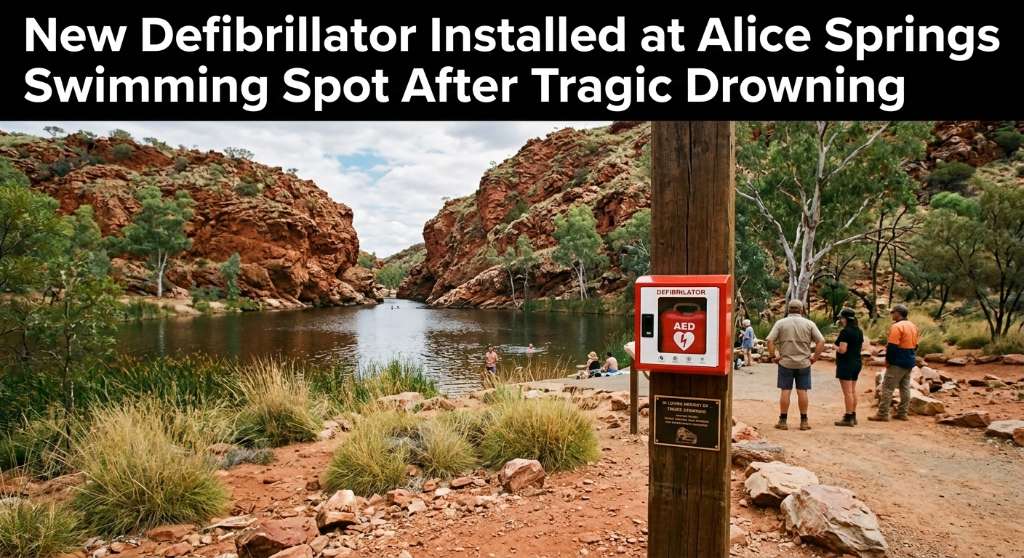
An automated external defibrillator and memorial plaque have been installed at Ellery Creek Big Hole following the death of disability advocate Ellen Fr...
Bathurst New South Wales · Community News · 17 Sep 2026
Kerry “Pecky” Peck, a long-standing Bathurst radio personality, has been inducted into the Bathurst Business Hall of Fame in recognition of his extensive contribution to the loc...
A new specialist family-violence support model has been introduced in Ballarat, with dedicated workers now embedded alongside Victoria Police to help people experiencing family...
Orange New South Wales · Community News · 17 Sep 2026
Orange City Council has elected a new Deputy Mayor for the next two years, with the decision announced today, 17 September 2026. The council said the election took place during...
New figures have renewed concerns about emergency department delays at Royal Hobart Hospital, with the health system facing questions over patient waiti...
Cairns Regional Council has unanimously voted to seek $400,000 in Queensland Government funding for a program designed to connect local businesses with the region’s growing film...
An automated external defibrillator and memorial plaque have been installed at Ellery Creek Big Hole following the death of disability advocate Ellen Fr...
Queensland firefighters spent several hours monitoring a significant grass fire at Mary Kinross Park in Bargara, near Bundaberg, after the blaze broke out on Wednesday evening....