Queensland MPs Debate Federal TAFE Funding and Vocational Training Future
By Neha · Published 18 Jun 2026 · Updated 18 Jun 2026
Bundaberg, Queensland · Queensland News
Safety note: Admin approval is an initial review, not a guarantee that every detail is correct. Check important or urgent claims with official sources and report anything inaccurate or unsafe.
Source and credit: Contributor's own report
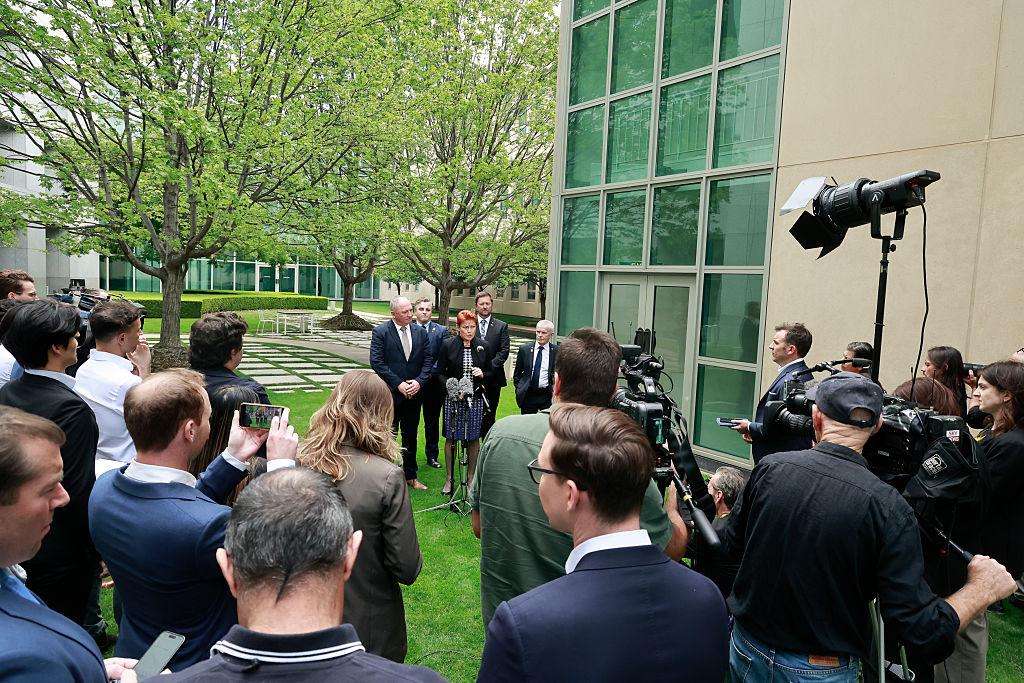
Queensland state parliament building exterior.
Smart summary
Queensland state politicians are currently engaged in a robust debate regarding federal funding arrangements for TAFE and vocational education, reflecting broader concerns about workforce development.
A debate over federal funding for Technical and Further Education (TAFE) has sparked disagreement among Queensland politicians, with competing claims about investment levels, training opportunities and the future of vocational education.
The discussion comes as governments across Australia continue to focus on addressing workforce shortages through expanded vocational education and skills training programs. TAFE institutions play a critical role in preparing workers for industries including construction, healthcare, manufacturing, hospitality, agriculture and mining.
Supporters of current federal funding arrangements argue that recent investments have increased access to vocational education, helping more Australians gain qualifications and employment opportunities. They point to funding initiatives aimed at supporting apprenticeships, traineeships and fee-free training programs designed to address skill shortages.
Opponents, however, have questioned whether funding levels are sufficient to meet growing demand. Critics argue that additional investment may be required to expand course availability, improve facilities and ensure regional communities have access to high-quality vocational training.
The disagreement reflects broader political debates surrounding education policy and workforce development. Both state and federal governments rely heavily on vocational education systems to supply skilled workers needed to support economic growth and major infrastructure projects.
Regional Queensland communities have a particular interest in TAFE funding outcomes. Many industries in regional areas depend on locally trained workers, making access to affordable and accessible vocational education a significant economic issue.
Education advocates have long argued that vocational training should receive strong and consistent funding to help meet future labour market demands. Industry groups frequently highlight skills shortages in key sectors and stress the importance of maintaining pathways into trades and technical professions.
TAFE Queensland remains one of the state's largest education providers, delivering training across a wide range of disciplines and industries. Its campuses support students in metropolitan, regional and remote communities, providing opportunities for school leavers, career changers and existing workers seeking additional qualifications.
The political disagreement also highlights the increasing importance of workforce planning as Australia faces challenges associated with population growth, technological change and evolving industry needs. Governments are under pressure to ensure training systems can adapt to changing economic conditions.
Business groups generally support measures that increase workforce participation and address labour shortages. Many employers rely on vocational education institutions to supply qualified workers capable of meeting industry requirements.
While politicians continue to debate funding levels and policy approaches, students and employers remain focused on practical outcomes, including course availability, affordability and employment opportunities after graduation.
The issue is expected to remain a prominent topic in Queensland politics as governments seek to balance budget priorities with growing demand for skilled workers. Future funding decisions could play a significant role in shaping the state's workforce and economic development prospects.
EducationFundingVocationalTrainingWorkers
A debate over federal funding for Technical and Further Education (TAFE) has sparked disagreement among Queensland politicians, with competing claims about investment levels, training opportunities and the future of vocational education.
The discussion comes as governments across Australia continue to focus on addressing workforce shortages through expanded vocational education and skills training programs. TAFE institutions play a critical role in preparing workers for industries including construction, healthcare, manufacturing, hospitality, agriculture and mining.
Supporters of current federal funding arrangements argue that recent investments have increased access to vocational education, helping more Australians gain qualifications and employment opportunities. They point to funding initiatives aimed at supporting apprenticeships, traineeships and fee-free training programs designed to address skill shortages.
Opponents, however, have questioned whether funding levels are sufficient to meet growing demand. Critics argue that additional investment may be required to expand course availability, improve facilities and ensure regional communities have access to high-quality vocational training.
The disagreement reflects broader political debates surrounding education policy and workforce development. Both state and federal governments rely heavily on vocational education systems to supply skilled workers needed to support economic growth and major infrastructure projects.
Regional Queensland communities have a particular interest in TAFE funding outcomes. Many industries in regional areas depend on locally trained workers, making access to affordable and accessible vocational education a significant economic issue.
Education advocates have long argued that vocational training should receive strong and consistent funding to help meet future labour market demands. Industry groups frequently highlight skills shortages in key sectors and stress the importance of maintaining pathways into trades and technical professions.
TAFE Queensland remains one of the state's largest education providers, delivering training across a wide range of disciplines and industries. Its campuses support students in metropolitan, regional and remote communities, providing opportunities for school leavers, career changers and existing workers seeking additional qualifications.
The political disagreement also highlights the increasing importance of workforce planning as Australia faces challenges associated with population growth, technological change and evolving industry needs. Governments are under pressure to ensure training systems can adapt to changing economic conditions.
Business groups generally support measures that increase workforce participation and address labour shortages. Many employers rely on vocational education institutions to supply qualified workers capable of meeting industry requirements.
While politicians continue to debate funding levels and policy approaches, students and employers remain focused on practical outcomes, including course availability, affordability and employment opportunities after graduation.
The issue is expected to remain a prominent topic in Queensland politics as governments seek to balance budget priorities with growing demand for skilled workers. Future funding decisions could play a significant role in shaping the state's workforce and economic development prospects.
The Federal Government is preparing new measures targeting temporary visas, visa overstayers, international students and visa-hopping, while maintaining...
One Nation’s proposed major reduction in migration has triggered warnings that a sharp cut to population growth could weaken Australia’s economy and cre...
Queensland's emerging football prospects are coming together for a three-day Brisbane Lions State Academy showcase, giving young players an opportunity...
A Wavell Heights enrolled nurse has been charged with four counts of alleged sexual assault and one count of wilful exposure, with his professional regi...
A 24-year-old Carina Heights man has been charged with 36 offences following an investigation into alleged break-ins, vehicle offences and other propert...
Cairns Regional Council has unanimously voted to seek $400,000 in Queensland Government funding for a program designed to connect local businesses with the region’s growing film...
An automated external defibrillator and memorial plaque have been installed at Ellery Creek Big Hole following the death of disability advocate Ellen Fr...
Queensland firefighters spent several hours monitoring a significant grass fire at Mary Kinross Park in Bargara, near Bundaberg, after the blaze broke out on Wednesday evening....