Safety note: Admin approval is an initial review, not a guarantee that every detail is correct. Check important or urgent claims with official sources and report anything inaccurate or unsafe.
Source and credit: Contributor's own report
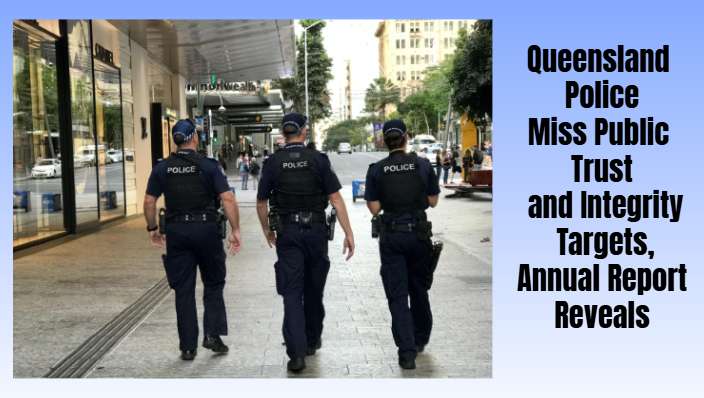
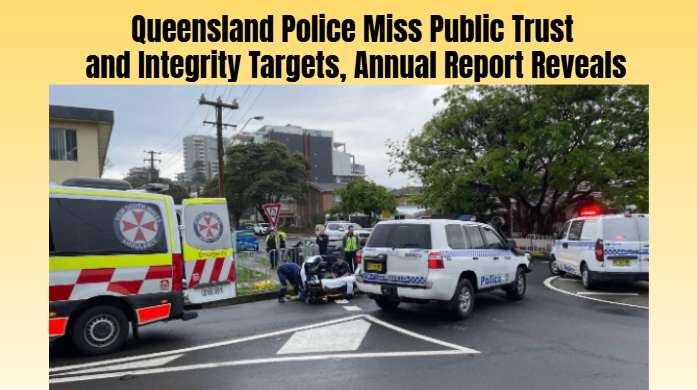
Queensland Police Miss Public Trust and Integrity Targets, Annual Report Reveals - Brisbane, QLD
Smart summary
A Queensland Police Service annual report shows the service failed to meet its targets for public perceptions of honesty, trust, fairness and professionalism, with some measures falling significantly below the benchma...
The Queensland Police Service (QPS) has failed to meet any of its public-perception targets relating to police integrity during the past year, according to its newly tabled annual report. The figures measure how Queensland residents view police honesty, professionalism, fairness, equality and trust. The report has brought renewed attention to public confidence in policing and the Queensland government's plans to strengthen police accountability.
The data comes from the National Survey of Community Satisfaction with Policing, which surveyed more than 20,000 Australians aged 18 and over. The survey was used to measure public perceptions of police services across Australia, including Queensland. The survey was discontinued after June 2026, meaning the QPS will need to work with other agencies to establish a replacement measurement system for future years.
One of the most notable findings was the percentage of Queenslanders who believed police officers were honest. Only 55.9 per cent of respondents gave that response, considerably below the QPS target of 75 per cent. The result indicates that the service did not reach the benchmark it had set for public confidence in police honesty.
The report also found that 65.9 per cent of Queensland respondents said they trusted police. The QPS had established a target of 75 per cent for this measure. Another significant gap appeared in perceptions of fairness and equality: only 52.3 per cent agreed that police officers treat people fairly and equally, compared with a 75 per cent target.
Professionalism and confidence also fell below the service's stated goals. About 68.6 per cent of respondents believed police performed their jobs professionally, compared with an 85 per cent target. Meanwhile, 63.8 per cent said they had confidence in police. These figures were also below the benchmarks set by the QPS.
The findings come as Queensland continues to consider how police accountability and integrity should be strengthened. An independent police integrity unit was recommended following a commission of inquiry into the QPS response to domestic violence. The proposed unit would sit within the state's corruption watchdog and is intended to strengthen oversight of police conduct.
The Crime and Corruption Commission has previously raised concerns about delays in establishing the unit. The commission's chair described the delay as frustrating, while the Queensland government has continued to consider how the recommendation should be implemented. The annual report therefore arrives during an ongoing discussion about public confidence and independent oversight of police.
Queensland Police said the national survey was discontinued because police agencies across Australia decided not to extend the survey contract beyond 30 June 2026. QPS said it is working with the Australia New Zealand Policing Advisory Agency on alternative ways of measuring community confidence and perceptions of police integrity.
The report does not mean that all Queenslanders have a negative view of police. Rather, the published survey results show that the QPS did not achieve the specific public-perception benchmarks it had established for the reporting period. The figures provide a snapshot of community attitudes and will now form part of the wider discussion about police performance, accountability and public trust in Queensland.
PoliceQueenslandCentConfidenceSurvey
The Queensland Police Service (QPS) has failed to meet any of its public-perception targets relating to police integrity during the past year, according to its newly tabled annual report. The figures measure how Queensland residents view police honesty, professionalism, fairness, equality and trust. The report has brought renewed attention to public confidence in policing and the Queensland government's plans to strengthen police accountability.
The data comes from the National Survey of Community Satisfaction with Policing, which surveyed more than 20,000 Australians aged 18 and over. The survey was used to measure public perceptions of police services across Australia, including Queensland. The survey was discontinued after June 2026, meaning the QPS will need to work with other agencies to establish a replacement measurement system for future years.
One of the most notable findings was the percentage of Queenslanders who believed police officers were honest. Only 55.9 per cent of respondents gave that response, considerably below the QPS target of 75 per cent. The result indicates that the service did not reach the benchmark it had set for public confidence in police honesty.
The report also found that 65.9 per cent of Queensland respondents said they trusted police. The QPS had established a target of 75 per cent for this measure. Another significant gap appeared in perceptions of fairness and equality: only 52.3 per cent agreed that police officers treat people fairly and equally, compared with a 75 per cent target.
Professionalism and confidence also fell below the service's stated goals. About 68.6 per cent of respondents believed police performed their jobs professionally, compared with an 85 per cent target. Meanwhile, 63.8 per cent said they had confidence in police. These figures were also below the benchmarks set by the QPS.
The findings come as Queensland continues to consider how police accountability and integrity should be strengthened. An independent police integrity unit was recommended following a commission of inquiry into the QPS response to domestic violence. The proposed unit would sit within the state's corruption watchdog and is intended to strengthen oversight of police conduct.
The Crime and Corruption Commission has previously raised concerns about delays in establishing the unit. The commission's chair described the delay as frustrating, while the Queensland government has continued to consider how the recommendation should be implemented. The annual report therefore arrives during an ongoing discussion about public confidence and independent oversight of police.
Queensland Police said the national survey was discontinued because police agencies across Australia decided not to extend the survey contract beyond 30 June 2026. QPS said it is working with the Australia New Zealand Policing Advisory Agency on alternative ways of measuring community confidence and perceptions of police integrity.
The report does not mean that all Queenslanders have a negative view of police. Rather, the published survey results show that the QPS did not achieve the specific public-perception benchmarks it had established for the reporting period. The figures provide a snapshot of community attitudes and will now form part of the wider discussion about police performance, accountability and public trust in Queensland.
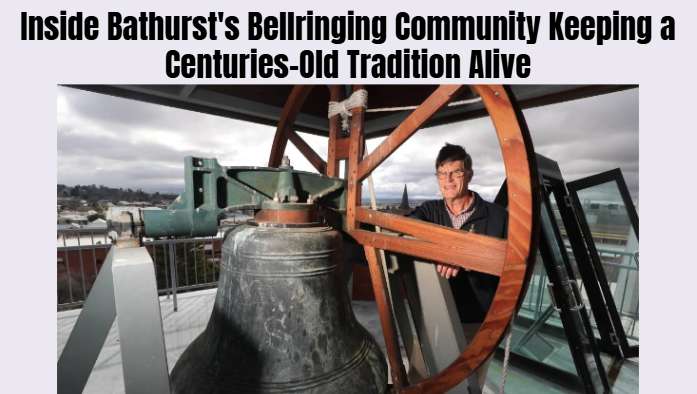
Bathurst bellringers are preparing to gather to celebrate a historic tradition dating back to 17th-century England, bringing together a community dedica...
Changes to Australia’s working holiday visa program have raised concerns among tourism and hospitality businesses in Far North Queensland, where backpac...
Bluebottles measuring up to three times the usual size have been washing onto Gold Coast beaches earlier than expected, prompting questions from scienti...
A high-tech greenhouse at Pacific Pines State High School is giving students hands-on experience in growing fresh produce, learning science and developi...
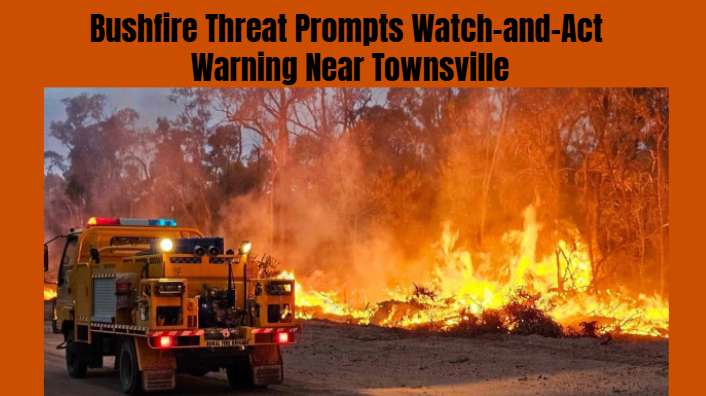
Fire crews and water-bombing helicopters are responding to a fast-moving bushfire near Oak Valley, north of Townsville, as residents in nearby areas are...
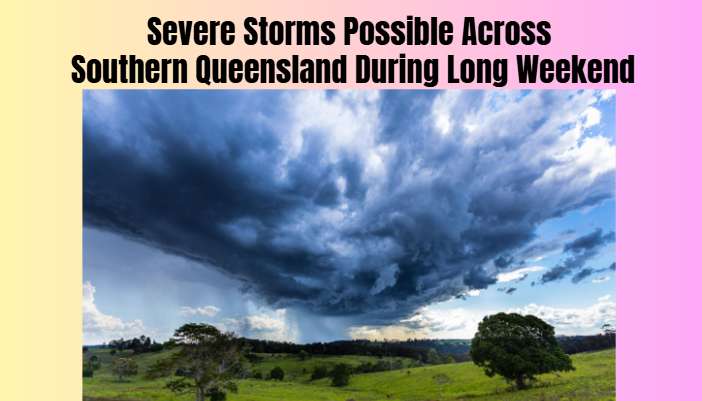
The Bureau of Meteorology is warning of possible thunderstorms across southern Queensland during the King’s Birthday long weekend, with unsettled weathe...
Changes to Australia’s working holiday visa program have raised concerns among tourism and hospitality businesses in Far North Queensland, where backpac...
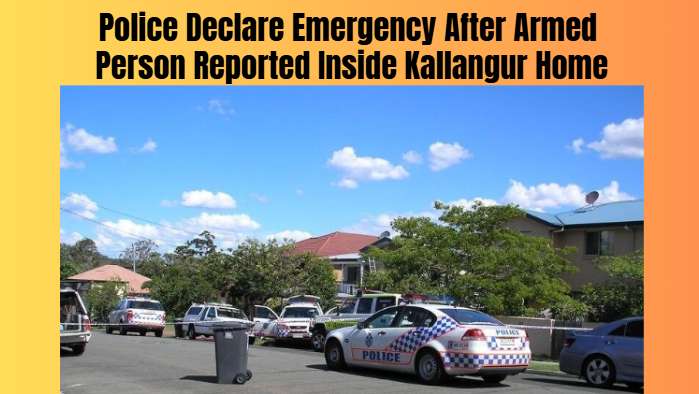
Queensland Police established an emergency exclusion zone in Kallangur, north of Brisbane, after receiving reports of an armed person inside a residence...
A 16-year-old girl remains in a critical but stable condition after being struck by an e-bike at Barrack Heights, while police allege the rider who rema...
A Tasmanian parliamentary report has raised concerns over the government’s lease arrangements for the Derwent Entertainment Centre and the proposed sale...
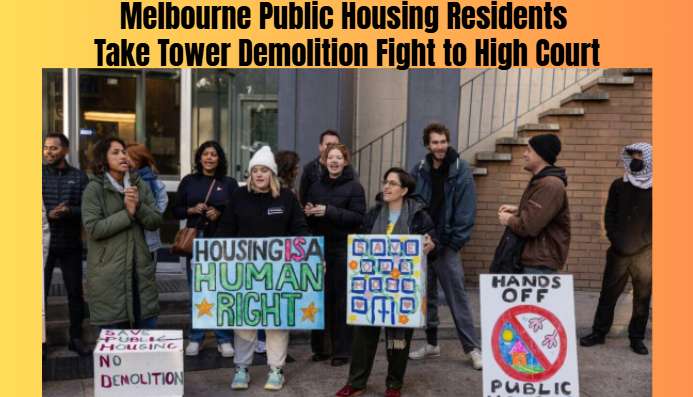
Residents affected by Victoria’s plan to demolish 44 public housing towers are challenging the decision in Australia’s highest court, arguing they were...