Safety note: Admin approval is an initial review, not a guarantee that every detail is correct. Check important or urgent claims with official sources and report anything inaccurate or unsafe.
Source and credit: Contributor's own report
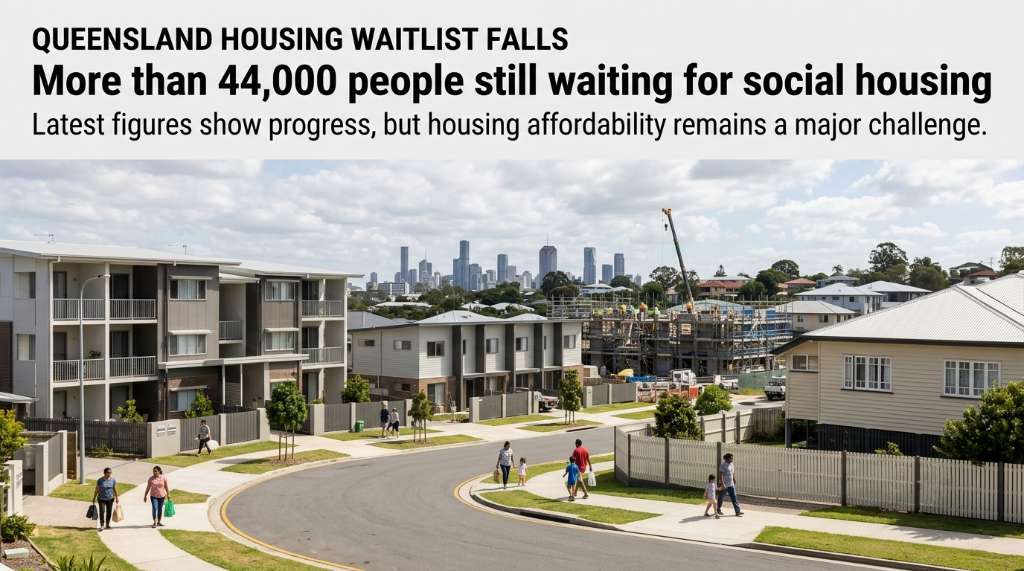
Queensland Social Housing Waitlist Falls but More Than 44,000 Still Waiting - Brisbane, QLD
Smart summary
Queensland's social housing waitlist has fallen to 44,294 people, but housing advocates say thousands of households remain caught between public housing and an increasingly expensive private rental market.
Queensland's social housing waitlist has fallen significantly from its peak, with the latest July figures showing 44,294 people waiting for social housing across the state. The figure represents a substantial reduction from the more than 59,000 people recorded on the register in November 2025.
The latest number is also below the 48,539 people recorded in October 2024, when the current Queensland government came to office. Housing Minister Sam O'Connor said the reduction reflected more active management of the waiting list and the delivery of additional housing.
Despite the improvement, the government acknowledges that there is still considerable work to do. The minister said the number of people waiting for housing is moving in the right direction but remains too high. The state government has set a longer-term goal of delivering 53,500 social and community homes by 2044, with the expectation that additional housing supply will help reduce pressure on the waiting list.
Housing advocates, however, argue that the official waiting list does not capture everyone experiencing housing stress. Some Queenslanders may not qualify for social housing but still struggle to afford private rental accommodation.
This group has been described as the “missing middle” — people who fall between eligibility for social housing and the ability to comfortably secure housing in the private market. Advocates say these households can face serious difficulties maintaining existing tenancies or finding suitable homes.
The issue is particularly important for Brisbane and other major Queensland communities, where access to affordable housing is closely connected to employment, public transport, schools, healthcare and other essential services.
Housing advocates are calling for more specific targets covering not only social housing but also supportive and affordable housing. They argue that simply increasing the number of social homes may not be enough to address the wider affordability problem.
Another concern is location. People who cannot afford housing close to employment and services may be forced to move further away from established communities. Longer travel distances can create additional costs and make it harder for households to access jobs and essential services.
The latest figures nevertheless represent progress compared with the peak recorded late last year. The waitlist has fallen by more than 14,000 people from that November peak, according to the latest figures.
The Queensland government says continued construction and delivery of social and community housing will be essential to maintaining the downward trend. Advocates agree that more homes are needed but want clearer targets and greater attention to people who remain outside the social housing system.
For Brisbane residents, the issue remains significant because housing affordability affects not only people currently seeking public housing but also renters facing rising costs and households struggling to remain in well-connected communities.
The latest figures provide a mixed picture: the waiting list is falling, but more than 44,000 people remain on it, while many others experiencing housing stress may not appear on the official register.
HousingPeopleSocialWaitingLatest
Queensland's social housing waitlist has fallen significantly from its peak, with the latest July figures showing 44,294 people waiting for social housing across the state. The figure represents a substantial reduction from the more than 59,000 people recorded on the register in November 2025.
The latest number is also below the 48,539 people recorded in October 2024, when the current Queensland government came to office. Housing Minister Sam O'Connor said the reduction reflected more active management of the waiting list and the delivery of additional housing.
Despite the improvement, the government acknowledges that there is still considerable work to do. The minister said the number of people waiting for housing is moving in the right direction but remains too high. The state government has set a longer-term goal of delivering 53,500 social and community homes by 2044, with the expectation that additional housing supply will help reduce pressure on the waiting list.
Housing advocates, however, argue that the official waiting list does not capture everyone experiencing housing stress. Some Queenslanders may not qualify for social housing but still struggle to afford private rental accommodation.
This group has been described as the “missing middle” — people who fall between eligibility for social housing and the ability to comfortably secure housing in the private market. Advocates say these households can face serious difficulties maintaining existing tenancies or finding suitable homes.
The issue is particularly important for Brisbane and other major Queensland communities, where access to affordable housing is closely connected to employment, public transport, schools, healthcare and other essential services.
Housing advocates are calling for more specific targets covering not only social housing but also supportive and affordable housing. They argue that simply increasing the number of social homes may not be enough to address the wider affordability problem.
Another concern is location. People who cannot afford housing close to employment and services may be forced to move further away from established communities. Longer travel distances can create additional costs and make it harder for households to access jobs and essential services.
The latest figures nevertheless represent progress compared with the peak recorded late last year. The waitlist has fallen by more than 14,000 people from that November peak, according to the latest figures.
The Queensland government says continued construction and delivery of social and community housing will be essential to maintaining the downward trend. Advocates agree that more homes are needed but want clearer targets and greater attention to people who remain outside the social housing system.
For Brisbane residents, the issue remains significant because housing affordability affects not only people currently seeking public housing but also renters facing rising costs and households struggling to remain in well-connected communities.
The latest figures provide a mixed picture: the waiting list is falling, but more than 44,000 people remain on it, while many others experiencing housing stress may not appear on the official register.
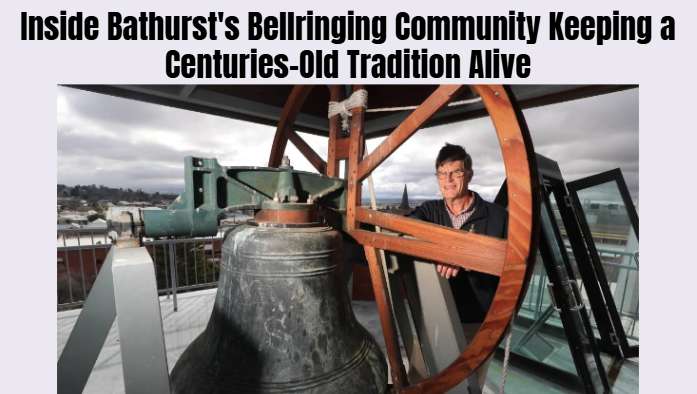
Bathurst bellringers are preparing to gather to celebrate a historic tradition dating back to 17th-century England, bringing together a community dedica...
Changes to Australia’s working holiday visa program have raised concerns among tourism and hospitality businesses in Far North Queensland, where backpac...
Bluebottles measuring up to three times the usual size have been washing onto Gold Coast beaches earlier than expected, prompting questions from scienti...
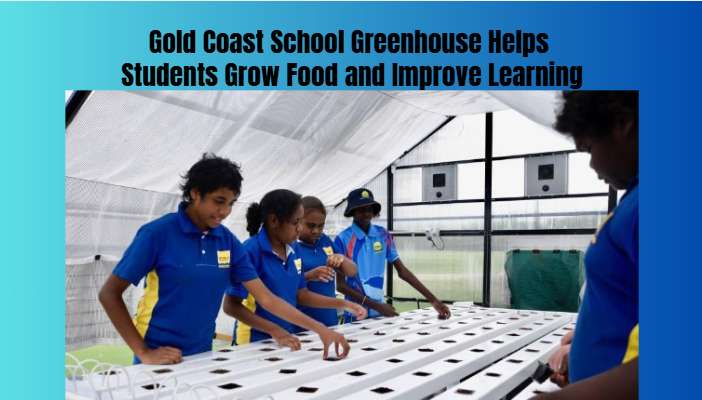
A high-tech greenhouse at Pacific Pines State High School is giving students hands-on experience in growing fresh produce, learning science and developi...
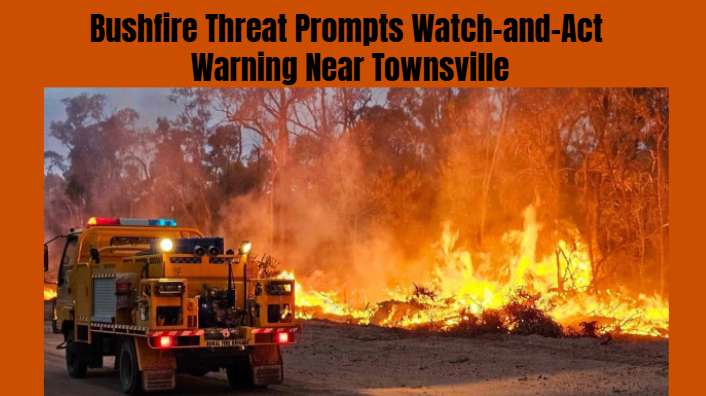
Fire crews and water-bombing helicopters are responding to a fast-moving bushfire near Oak Valley, north of Townsville, as residents in nearby areas are...
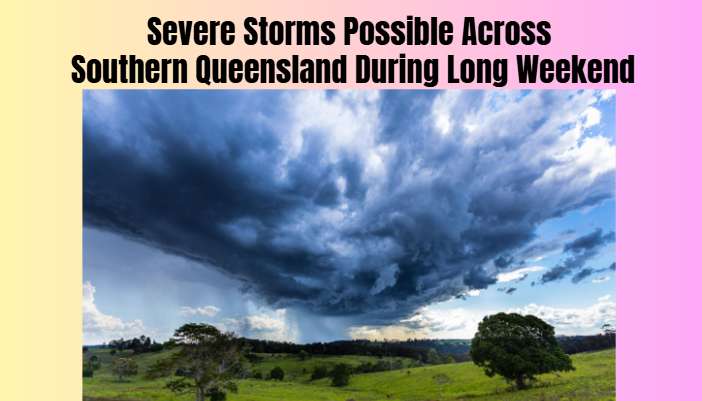
The Bureau of Meteorology is warning of possible thunderstorms across southern Queensland during the King’s Birthday long weekend, with unsettled weathe...
Changes to Australia’s working holiday visa program have raised concerns among tourism and hospitality businesses in Far North Queensland, where backpac...
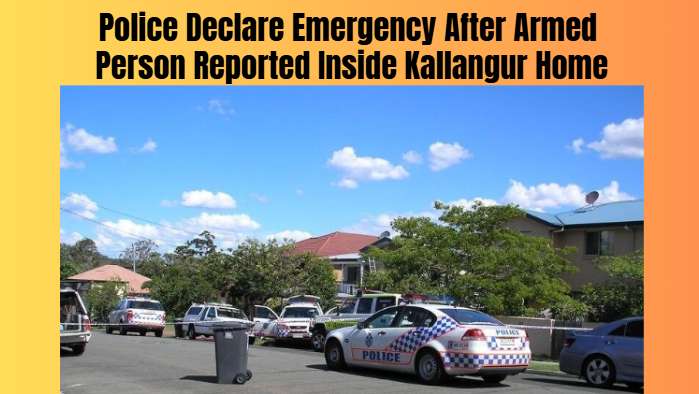
Queensland Police established an emergency exclusion zone in Kallangur, north of Brisbane, after receiving reports of an armed person inside a residence...
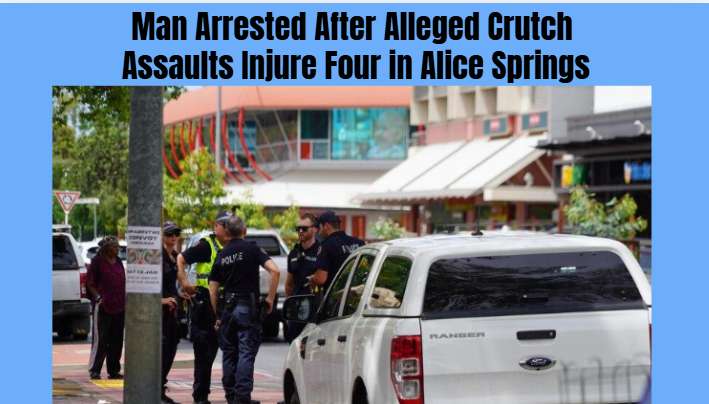
Northern Territory Police say a 40-year-old man allegedly assaulted four people with a crutch in Alice Springs, leaving two people requiring hospital tr...
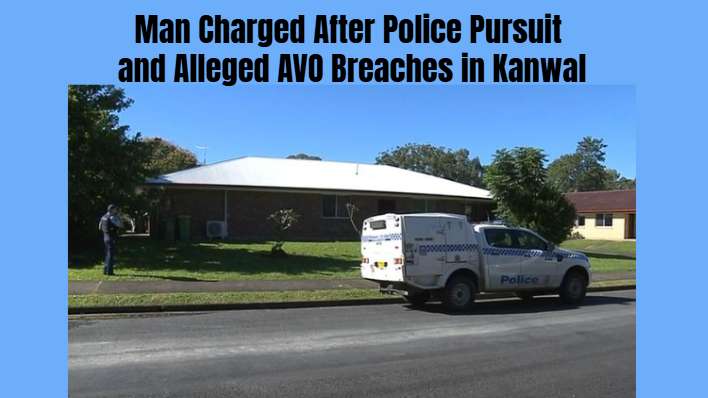
A 33-year-old man has been charged with six offences following a police pursuit and arrest on the NSW Central Coast. Police say the incident began with...
Fire crews and water-bombing helicopters are responding to a fast-moving bushfire near Oak Valley, north of Townsville, as residents in nearby areas are...
Bathurst bellringers are preparing to gather to celebrate a historic tradition dating back to 17th-century England, bringing together a community dedica...