Safety note: Admin approval is an initial review, not a guarantee that every detail is correct. Check important or urgent claims with official sources and report anything inaccurate or unsafe.
Source and credit: Contributor's own report
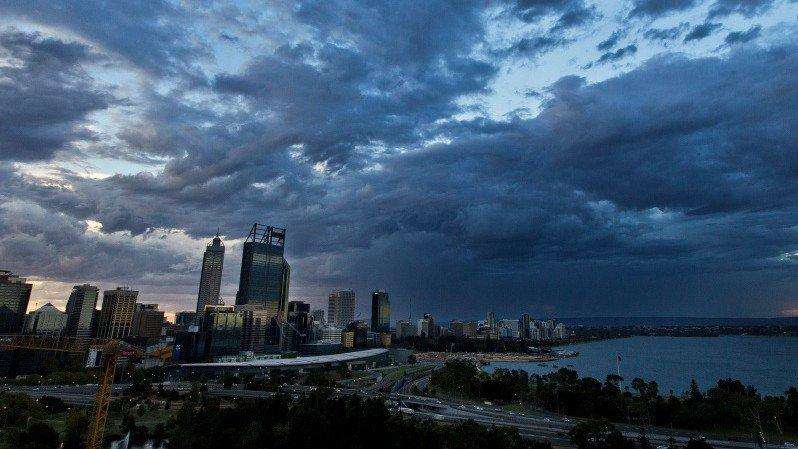
Thunderstorms and Heavy Rain Trigger Flash Flood Warning Across Perth Metro Area - Perth, WA
Smart summary
Residents urged to remain alert as severe thunderstorms, intense rainfall and possible flash flooding impact Perth and surrounding suburbs
Perth residents have been warned to prepare for dangerous weather conditions after severe thunderstorms and heavy rainfall prompted flash flood warnings across parts of the metropolitan area. Emergency authorities and the Bureau of Meteorology issued alerts as a powerful weather system moved across Western Australia, bringing intense rainfall, lightning, gusty winds and the risk of localised flooding.
The warning covered several Perth metropolitan districts, including areas such as Armadale, Fremantle, Kalamunda and Rockingham. Meteorologists warned that thunderstorms embedded within a passing cold front had the potential to produce heavy rainfall over short periods, increasing the risk of flash flooding on roads, in low-lying areas and near stormwater drainage systems.
Weather experts explained that the system was being driven by a strong cold front crossing the southwest of Western Australia. As the front interacted with moisture-rich air, it generated widespread showers and isolated thunderstorms capable of delivering substantial rainfall within a relatively short time frame. Forecasts indicated that some Perth suburbs could receive more than 25 millimetres of rain, with higher totals possible beneath stronger storm cells.
Emergency WA advised residents to stay indoors where possible, avoid unnecessary travel and remain clear of flooded roads and waterways. Authorities stressed that even shallow floodwaters can pose significant risks to motorists and pedestrians. Drivers were encouraged to slow down, use headlights in poor visibility and avoid attempting to cross flooded sections of road.
The severe weather follows a period of active winter conditions across Western Australia. Earlier storms during the season caused widespread disruption, including fallen trees, power outages and flooding in several communities. Emergency services have responded to numerous requests for assistance during recent weather events, highlighting the impact that intense winter storms can have on infrastructure and transport networks.
Rainfall measurements recorded during previous storms demonstrated the intensity of the weather system. In some locations, more than 25 millimetres of rain fell within an hour, while other areas experienced significant downpours over even shorter periods. Meteorologists noted that similar rainfall rates could quickly overwhelm drainage systems and create hazardous conditions across urban areas.
Authorities also warned of lightning strikes and strong wind gusts associated with the thunderstorms. Residents were advised to secure loose outdoor items, stay away from trees and power lines, and unplug electrical appliances during periods of intense lightning activity. Boaters, surfers and swimmers were urged to leave the water until conditions improved.
While conditions were expected to gradually ease as the weather system moved east, forecasters said additional showers could continue across parts of Perth and the southwest. Emergency agencies encouraged residents to monitor official warnings and weather updates as conditions could change rapidly throughout the day.
WeatherAcrossConditionsRainfallPerth
Perth residents have been warned to prepare for dangerous weather conditions after severe thunderstorms and heavy rainfall prompted flash flood warnings across parts of the metropolitan area. Emergency authorities and the Bureau of Meteorology issued alerts as a powerful weather system moved across Western Australia, bringing intense rainfall, lightning, gusty winds and the risk of localised flooding.
The warning covered several Perth metropolitan districts, including areas such as Armadale, Fremantle, Kalamunda and Rockingham. Meteorologists warned that thunderstorms embedded within a passing cold front had the potential to produce heavy rainfall over short periods, increasing the risk of flash flooding on roads, in low-lying areas and near stormwater drainage systems.
Weather experts explained that the system was being driven by a strong cold front crossing the southwest of Western Australia. As the front interacted with moisture-rich air, it generated widespread showers and isolated thunderstorms capable of delivering substantial rainfall within a relatively short time frame. Forecasts indicated that some Perth suburbs could receive more than 25 millimetres of rain, with higher totals possible beneath stronger storm cells.
Emergency WA advised residents to stay indoors where possible, avoid unnecessary travel and remain clear of flooded roads and waterways. Authorities stressed that even shallow floodwaters can pose significant risks to motorists and pedestrians. Drivers were encouraged to slow down, use headlights in poor visibility and avoid attempting to cross flooded sections of road.
The severe weather follows a period of active winter conditions across Western Australia. Earlier storms during the season caused widespread disruption, including fallen trees, power outages and flooding in several communities. Emergency services have responded to numerous requests for assistance during recent weather events, highlighting the impact that intense winter storms can have on infrastructure and transport networks.
Rainfall measurements recorded during previous storms demonstrated the intensity of the weather system. In some locations, more than 25 millimetres of rain fell within an hour, while other areas experienced significant downpours over even shorter periods. Meteorologists noted that similar rainfall rates could quickly overwhelm drainage systems and create hazardous conditions across urban areas.
Authorities also warned of lightning strikes and strong wind gusts associated with the thunderstorms. Residents were advised to secure loose outdoor items, stay away from trees and power lines, and unplug electrical appliances during periods of intense lightning activity. Boaters, surfers and swimmers were urged to leave the water until conditions improved.
While conditions were expected to gradually ease as the weather system moved east, forecasters said additional showers could continue across parts of Perth and the southwest. Emergency agencies encouraged residents to monitor official warnings and weather updates as conditions could change rapidly throughout the day.
Three separate earthquakes were recorded near Port Hedland in Western Australia over the weekend, with more than 100 reports submitted to Geoscience Aus...
Australian tennis player Talia Gibson has reached her first WTA Tour-level singles final at the Singapore Open after Tatiana Prozorova withdrew from the...
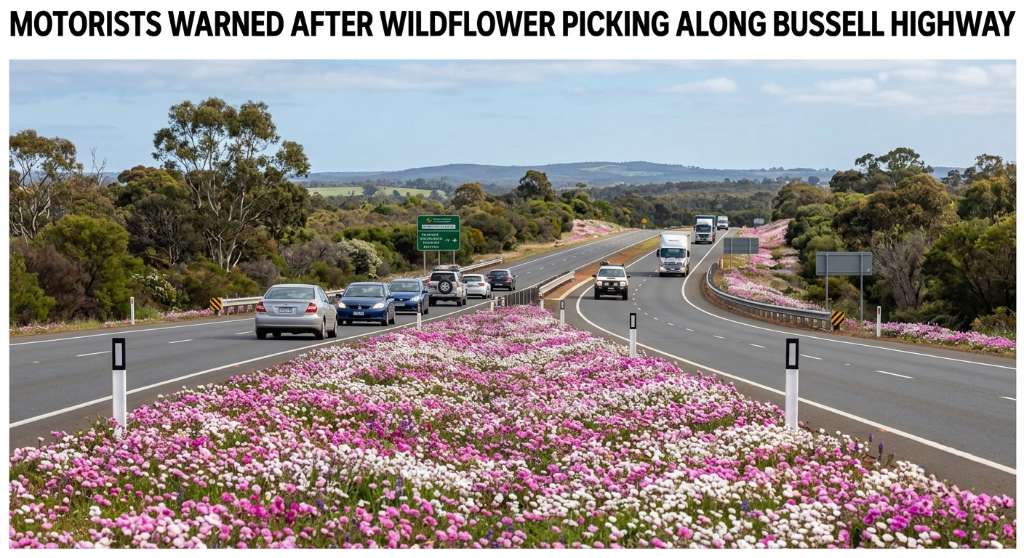
Drivers stopping to pick or photograph colourful everlasting wildflowers along Western Australia’s Bussell Highway are being warned about serious road-s...
Three separate earthquakes were recorded near Port Hedland in Western Australia over the weekend, with more than 100 reports submitted to Geoscience Aus...
A growing number of young Australians are taking up birdwatching, bringing fresh interest to the Broome Bird Observatory and the migratory shorebirds of...
A 50-year-old man has died after being struck by a vehicle in Fernvale, west of Brisbane, with police launching a homicide investigation and arresting a...
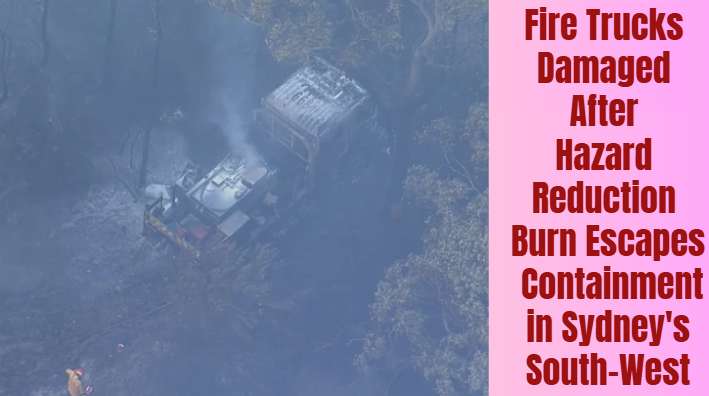
Multiple Rural Fire Service trucks were damaged after a planned hazard reduction burn at Wedderburn in Sydney's south-west escaped containment on Saturday.
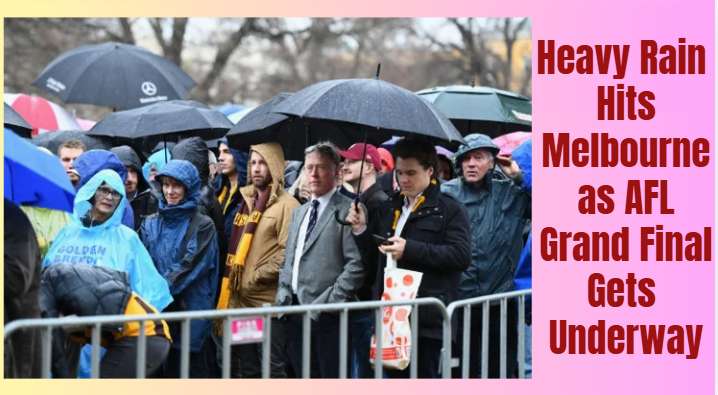
Wet conditions at the Melbourne Cricket Ground are creating difficult conditions for the AFL Grand Final, while poor weather has also disrupted flights...
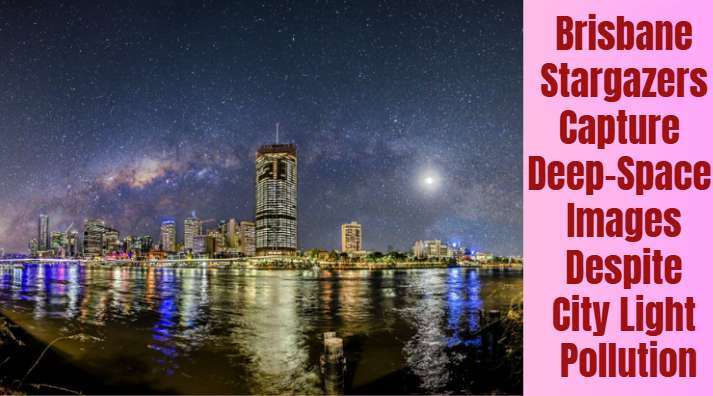
Amateur astronomers are using new telescope technology to photograph the Moon, planets and distant galaxies from Brisbane homes, showing that city skies...