Safety note: Admin approval is an initial review, not a guarantee that every detail is correct. Check important or urgent claims with official sources and report anything inaccurate or unsafe.
Source and credit: Contributor's own report
Victorian Teachers Reject Proposed 28 Per Cent Pay Rise Deal - Melbourne, Victoria
Smart summary
Tens of thousands of Victorian teachers have voted against a proposed pay agreement that included wage increases of up to 28 per cent, with educators raising concerns over workload, staffing pressures and working cond...
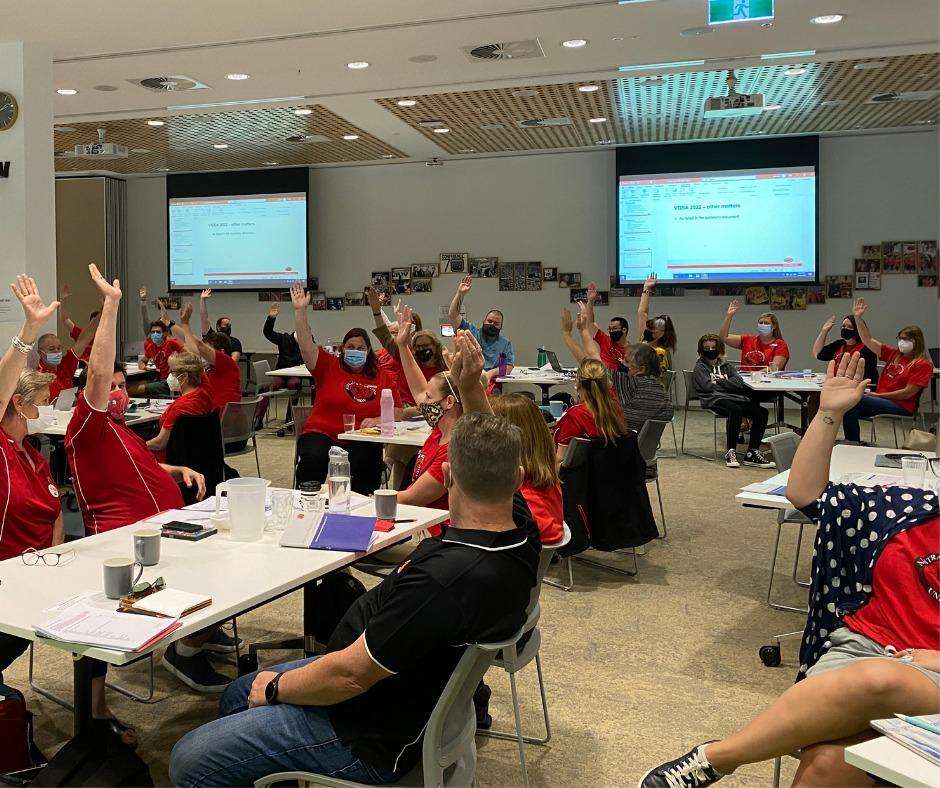
Thousands of teachers across Victoria have rejected a proposed enterprise bargaining agreement that would have delivered pay rises of up to 28 per cent over several years, creating uncertainty over future negotiations between educators and the state government.
The vote involved members of the Australian Education Union and represented one of the largest decisions affecting the state's public education workforce in recent years.
While the proposed agreement included significant salary increases, many teachers argued that pay was only one aspect of a broader workplace dispute. Educators expressed concerns about increasing workloads, staff shortages, administrative responsibilities and the pressures facing schools throughout Victoria.
The rejected deal would have provided substantial wage growth for teachers and education support staff over the life of the agreement. Government representatives had promoted the proposal as a strong offer designed to attract and retain educators while recognising the important role teachers play in the education system.
However, many union members indicated that workplace conditions remained a major concern. Teachers reported that rising administrative demands, teacher shortages and growing classroom responsibilities were contributing to stress and burnout across the profession.
Education unions have repeatedly argued that addressing workload issues is critical to retaining experienced teachers and encouraging new graduates to enter the profession. Some educators believe salary improvements alone will not solve long-term workforce challenges if underlying workplace pressures remain unchanged.
The outcome highlights broader challenges facing education systems across Australia. Many states continue to experience teacher shortages, particularly in regional areas and specialist subject fields. Schools have increasingly reported difficulties recruiting and retaining qualified staff.
Supporters of the agreement pointed to the size of the proposed wage increases, noting that a 28 per cent rise would have represented one of the most significant salary packages offered to teachers in Victoria. However, opponents argued that additional measures were needed to improve conditions inside classrooms and reduce workload pressures.
The rejection means negotiations between the Victorian Government and teacher representatives are expected to continue. Both sides will likely return to discussions aimed at reaching a revised agreement that addresses concerns raised by educators while remaining financially sustainable.
Parents and school communities will be watching developments closely, as prolonged industrial disputes can affect school operations and create uncertainty within the education sector. At this stage, education authorities have indicated that schools will continue operating normally while negotiations proceed.
The vote demonstrates the importance teachers place not only on remuneration but also on workplace conditions and professional support. Many educators say improving the sustainability of teaching careers will be essential to addressing workforce shortages and ensuring positive educational outcomes for students.
TeachersEducationEducatorsAgreementWill
Thousands of teachers across Victoria have rejected a proposed enterprise bargaining agreement that would have delivered pay rises of up to 28 per cent over several years, creating uncertainty over future negotiations between educators and the state government.
The vote involved members of the Australian Education Union and represented one of the largest decisions affecting the state's public education workforce in recent years.
While the proposed agreement included significant salary increases, many teachers argued that pay was only one aspect of a broader workplace dispute. Educators expressed concerns about increasing workloads, staff shortages, administrative responsibilities and the pressures facing schools throughout Victoria.
The rejected deal would have provided substantial wage growth for teachers and education support staff over the life of the agreement. Government representatives had promoted the proposal as a strong offer designed to attract and retain educators while recognising the important role teachers play in the education system.
However, many union members indicated that workplace conditions remained a major concern. Teachers reported that rising administrative demands, teacher shortages and growing classroom responsibilities were contributing to stress and burnout across the profession.
Education unions have repeatedly argued that addressing workload issues is critical to retaining experienced teachers and encouraging new graduates to enter the profession. Some educators believe salary improvements alone will not solve long-term workforce challenges if underlying workplace pressures remain unchanged.
The outcome highlights broader challenges facing education systems across Australia. Many states continue to experience teacher shortages, particularly in regional areas and specialist subject fields. Schools have increasingly reported difficulties recruiting and retaining qualified staff.
Supporters of the agreement pointed to the size of the proposed wage increases, noting that a 28 per cent rise would have represented one of the most significant salary packages offered to teachers in Victoria. However, opponents argued that additional measures were needed to improve conditions inside classrooms and reduce workload pressures.
The rejection means negotiations between the Victorian Government and teacher representatives are expected to continue. Both sides will likely return to discussions aimed at reaching a revised agreement that addresses concerns raised by educators while remaining financially sustainable.
Parents and school communities will be watching developments closely, as prolonged industrial disputes can affect school operations and create uncertainty within the education sector. At this stage, education authorities have indicated that schools will continue operating normally while negotiations proceed.
The vote demonstrates the importance teachers place not only on remuneration but also on workplace conditions and professional support. Many educators say improving the sustainability of teaching careers will be essential to addressing workforce shortages and ensuring positive educational outcomes for students.
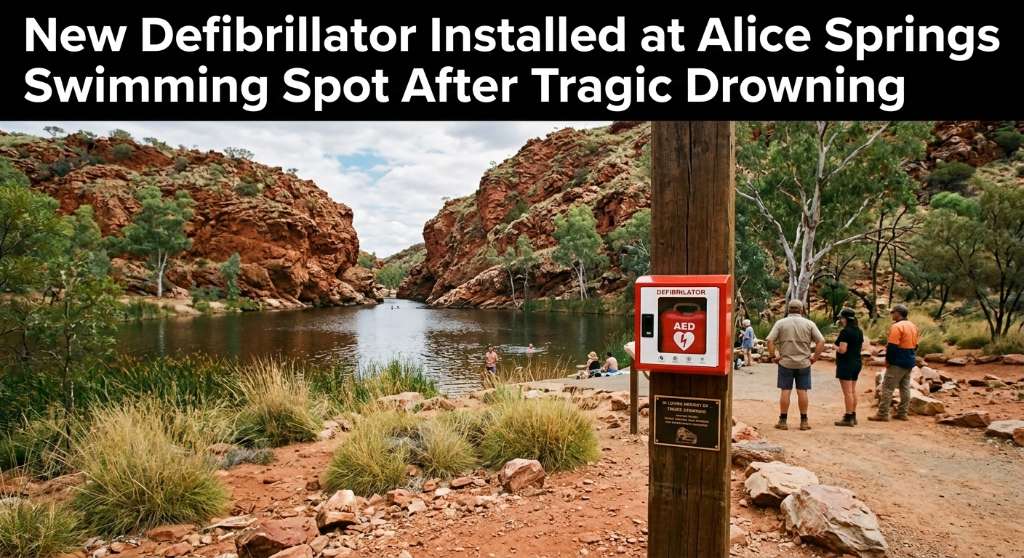
An automated external defibrillator and memorial plaque have been installed at Ellery Creek Big Hole following the death of disability advocate Ellen Fr...
Bathurst New South Wales · Community News · 17 Sep 2026
Kerry “Pecky” Peck, a long-standing Bathurst radio personality, has been inducted into the Bathurst Business Hall of Fame in recognition of his extensive contribution to the loc...
A new specialist family-violence support model has been introduced in Ballarat, with dedicated workers now embedded alongside Victoria Police to help people experiencing family...
Orange New South Wales · Community News · 17 Sep 2026
Orange City Council has elected a new Deputy Mayor for the next two years, with the decision announced today, 17 September 2026. The council said the election took place during...
New workplace data shows staff absenteeism jumped sharply during the historic MCG NFL event, while Melbourne businesses also benefited from a major spen...
Cairns Regional Council has unanimously voted to seek $400,000 in Queensland Government funding for a program designed to connect local businesses with the region’s growing film...
An automated external defibrillator and memorial plaque have been installed at Ellery Creek Big Hole following the death of disability advocate Ellen Fr...
Queensland firefighters spent several hours monitoring a significant grass fire at Mary Kinross Park in Bargara, near Bundaberg, after the blaze broke out on Wednesday evening....