Safety note: Admin approval is an initial review, not a guarantee that every detail is correct. Check important or urgent claims with official sources and report anything inaccurate or unsafe.
Source and credit: Contributor's own report
Working Holiday Visa Changes Raise Concerns for Queensland Tourism Businesses - Cairns, QLD
Smart summary
Changes to Australia’s working holiday visa program have raised concerns among tourism and hospitality businesses in Far North Queensland, where backpackers help fill seasonal jobs. The federal government has reduced...
Tourism and hospitality businesses in Far North Queensland are raising concerns about changes to Australia’s working holiday visa program, warning that uncertainty around visa extensions could affect regional staffing and the availability of seasonal workers.
The changes took effect on 3 October 2026 and affect working holiday makers seeking second- and third-year visas. Under the revised arrangements reported by ABC News, the number of places available through the relevant ballot system has fallen from approximately 31,000 in the previous year to just over 5,000.
Working holiday makers have traditionally supported businesses in regional Australia, including cafes, restaurants, hotels, farms and tourism operators. In destinations such as Cairns, where visitor demand changes throughout the year, international workers can help businesses manage busy periods and fill temporary vacancies.
One of the workers affected by the changes is Rocco Raseri, a 27-year-old Italian backpacker who has been working as a chef in Far North Queensland. After completing six months of regional work, he became eligible to apply for a third-year working holiday visa. However, the revised system means that eligibility does not guarantee an extension.
Raseri told ABC News that the uncertainty had influenced how he viewed his time in Australia. He said he might have made different decisions about where to work and travel if he had known that a further visa was not assured.
Tourism businesses are concerned that prospective workers may choose destinations where they have more certainty about their employment and visa options. Employers in regional areas say this could make recruitment more difficult, particularly during peak tourism seasons.
The Australian Tourism Industry Council has also raised concerns about the potential economic impact of the proposed changes. The industry body has warned that reduced access to working holiday makers could affect visitor spending and employment, and has called for further consultation with the tourism sector.
The federal government’s policy is part of wider efforts to manage temporary migration and the number of people staying in Australia on successive visas. The government has also indicated that it wants to ensure visa arrangements are consistent with broader migration settings.
Federal MP Matt Smith, whose electorate includes Cairns and the Torres Strait, said he was speaking with tourism and agriculture organisations to explore possible responses to workforce concerns. He identified the Pacific Australia Labour Mobility scheme as one possible way to support regional labour needs.
Academic and industry commentators have discussed the potential consequences of the policy for regional communities. These are attributed concerns rather than confirmed forecasts of job losses or reduced tourism activity.
The debate highlights the different considerations involved in setting migration rules while maintaining a reliable workforce for regional industries. The effects of the revised visa arrangements will depend on how many applicants receive places, how employers adapt their recruitment strategies and whether alternative labour pathways can meet demand.
The changes are now in effect, while regional businesses and industry organisations continue to raise concerns about their possible impact.
TourismRegionalVisaChangesWorking
Tourism and hospitality businesses in Far North Queensland are raising concerns about changes to Australia’s working holiday visa program, warning that uncertainty around visa extensions could affect regional staffing and the availability of seasonal workers.
The changes took effect on 3 October 2026 and affect working holiday makers seeking second- and third-year visas. Under the revised arrangements reported by ABC News, the number of places available through the relevant ballot system has fallen from approximately 31,000 in the previous year to just over 5,000.
Working holiday makers have traditionally supported businesses in regional Australia, including cafes, restaurants, hotels, farms and tourism operators. In destinations such as Cairns, where visitor demand changes throughout the year, international workers can help businesses manage busy periods and fill temporary vacancies.
One of the workers affected by the changes is Rocco Raseri, a 27-year-old Italian backpacker who has been working as a chef in Far North Queensland. After completing six months of regional work, he became eligible to apply for a third-year working holiday visa. However, the revised system means that eligibility does not guarantee an extension.
Raseri told ABC News that the uncertainty had influenced how he viewed his time in Australia. He said he might have made different decisions about where to work and travel if he had known that a further visa was not assured.
Tourism businesses are concerned that prospective workers may choose destinations where they have more certainty about their employment and visa options. Employers in regional areas say this could make recruitment more difficult, particularly during peak tourism seasons.
The Australian Tourism Industry Council has also raised concerns about the potential economic impact of the proposed changes. The industry body has warned that reduced access to working holiday makers could affect visitor spending and employment, and has called for further consultation with the tourism sector.
The federal government’s policy is part of wider efforts to manage temporary migration and the number of people staying in Australia on successive visas. The government has also indicated that it wants to ensure visa arrangements are consistent with broader migration settings.
Federal MP Matt Smith, whose electorate includes Cairns and the Torres Strait, said he was speaking with tourism and agriculture organisations to explore possible responses to workforce concerns. He identified the Pacific Australia Labour Mobility scheme as one possible way to support regional labour needs.
Academic and industry commentators have discussed the potential consequences of the policy for regional communities. These are attributed concerns rather than confirmed forecasts of job losses or reduced tourism activity.
The debate highlights the different considerations involved in setting migration rules while maintaining a reliable workforce for regional industries. The effects of the revised visa arrangements will depend on how many applicants receive places, how employers adapt their recruitment strategies and whether alternative labour pathways can meet demand.
The changes are now in effect, while regional businesses and industry organisations continue to raise concerns about their possible impact.
Bluebottles measuring up to three times the usual size have been washing onto Gold Coast beaches earlier than expected, prompting questions from scienti...
A high-tech greenhouse at Pacific Pines State High School is giving students hands-on experience in growing fresh produce, learning science and developi...
Brisbane is transforming plain walls and graffiti-prone public spaces into colourful murals by local artists, with a Newstead tunnel artwork and a Toowo...
Tasmanian homeowners and businesses are facing higher borrowing costs after the Reserve Bank lifted the cash rate to 4.6 per cent, with lower average wa...
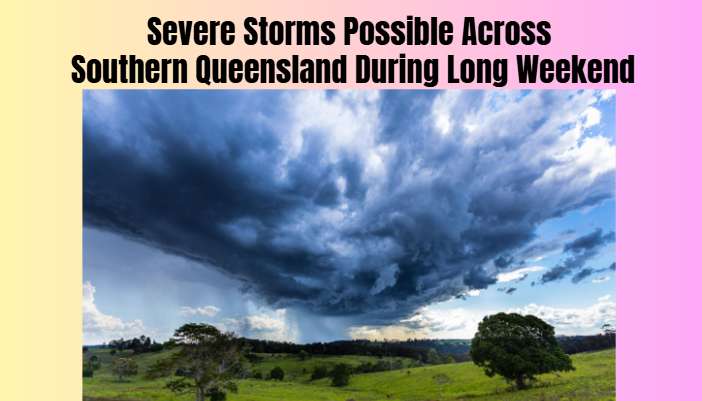
The Bureau of Meteorology is warning of possible thunderstorms across southern Queensland during the King’s Birthday long weekend, with unsettled weathe...
Queensland Police established an emergency exclusion zone in Kallangur, north of Brisbane, after receiving reports of an armed person inside a residence...
Young people from regional and remote Queensland communities are participating in youth councils and a state youth parliament, raising issues such as di...
Bluebottles measuring up to three times the usual size have been washing onto Gold Coast beaches earlier than expected, prompting questions from scienti...
A man has died after being hit by a car on the Midland Highway near Magpie, south of Ballarat. Police are investigating the circumstances of the collisi...
New South Wales senator David Shoebridge has been elected leader of the Australian Greens following an internal party-room ballot, succeeding Larissa Wa...
The Bureau of Meteorology is warning of possible thunderstorms across southern Queensland during the King’s Birthday long weekend, with unsettled weathe...
Queensland Police established an emergency exclusion zone in Kallangur, north of Brisbane, after receiving reports of an armed person inside a residence...