Safety note: Admin approval is an initial review, not a guarantee that every detail is correct. Check important or urgent claims with official sources and report anything inaccurate or unsafe.
Source and credit: Contributor's own report
ABC Investigation Reveals Widespread Exploitation of Children in Queensland State Care - Brisbane, QLD
Smart summary
A 19-month ABC investigation has uncovered allegations that vulnerable children in Queensland's residential care system are being groomed, drugged and sexually exploited in so-called "trap houses", prompting renewed c...
A major ABC investigation has revealed serious concerns about the safety of children living in Queensland's residential care system, uncovering allegations that vulnerable young people are being lured into "trap houses" where they are exposed to drugs, sexual exploitation and violence.
The investigation, conducted over 19 months, included interviews with young people who have experienced the child protection system, residential care workers, advocates and experts. Together, they described what they say is a systemic problem affecting some of the state's most vulnerable children.
One young woman, identified by the pseudonym Zoey, shared her experiences after spending years in Queensland's child protection system. She entered care as an infant and, over the years, lived in 26 different placements, including numerous residential care homes and foster families. She told the ABC that she frequently left residential care because she felt unsafe and instead ended up in "trap houses" where adults allegedly supplied drugs and exploited children.
According to Zoey, these properties were places where vulnerable teenagers were introduced to drugs, exposed to dangerous environments and, in some cases, sexually exploited. She said children were deliberately targeted because they lacked stable support networks and were easy to manipulate.
Child Safety Commissioner Luke Twyford described the issue as one that would "shock" many Australians if they understood how widespread it had become. Advocates and frontline workers interviewed during the investigation also warned that children living in residential care are at significantly greater risk of being groomed and exploited than many members of the public realise.
Experts explained that perpetrators often use parties, accommodation, drugs and promises of belonging to gain the trust of young people before exploiting them. Once children become dependent on drugs or emotionally attached to offenders, leaving these situations becomes increasingly difficult.
Youth organisations working across Queensland said the problem extends beyond Brisbane and affects regional communities as well. They have called for a coordinated national response, arguing that child sexual exploitation is closely linked to broader youth crime, homelessness, mental health challenges and family trauma.
The investigation also examined concerns about residential care itself. Former residents described feeling unsupported, isolated and unsafe within some facilities, saying those experiences contributed to them leaving placements and becoming vulnerable to exploitation.
Queensland Police encouraged anyone with information about offences against children to report concerns immediately. Child protection advocates, meanwhile, are calling for stronger early intervention, increased support services, improved residential care standards and better protection for children who frequently go missing from care.
The investigation has reignited debate about how governments care for children who cannot safely live with their families. While many dedicated carers and professionals work within the system, advocates argue that stronger safeguards are needed to ensure vulnerable young people are protected from exploitation and provided with stable, supportive environments.
The findings highlight the ongoing challenges facing Queensland's child protection system and reinforce calls for reforms aimed at preventing abuse, improving residential care and ensuring children in state care receive the safety and support they deserve.
CareChildrenResidentialTheyChild
A major ABC investigation has revealed serious concerns about the safety of children living in Queensland's residential care system, uncovering allegations that vulnerable young people are being lured into "trap houses" where they are exposed to drugs, sexual exploitation and violence.
The investigation, conducted over 19 months, included interviews with young people who have experienced the child protection system, residential care workers, advocates and experts. Together, they described what they say is a systemic problem affecting some of the state's most vulnerable children.
One young woman, identified by the pseudonym Zoey, shared her experiences after spending years in Queensland's child protection system. She entered care as an infant and, over the years, lived in 26 different placements, including numerous residential care homes and foster families. She told the ABC that she frequently left residential care because she felt unsafe and instead ended up in "trap houses" where adults allegedly supplied drugs and exploited children.
According to Zoey, these properties were places where vulnerable teenagers were introduced to drugs, exposed to dangerous environments and, in some cases, sexually exploited. She said children were deliberately targeted because they lacked stable support networks and were easy to manipulate.
Child Safety Commissioner Luke Twyford described the issue as one that would "shock" many Australians if they understood how widespread it had become. Advocates and frontline workers interviewed during the investigation also warned that children living in residential care are at significantly greater risk of being groomed and exploited than many members of the public realise.
Experts explained that perpetrators often use parties, accommodation, drugs and promises of belonging to gain the trust of young people before exploiting them. Once children become dependent on drugs or emotionally attached to offenders, leaving these situations becomes increasingly difficult.
Youth organisations working across Queensland said the problem extends beyond Brisbane and affects regional communities as well. They have called for a coordinated national response, arguing that child sexual exploitation is closely linked to broader youth crime, homelessness, mental health challenges and family trauma.
The investigation also examined concerns about residential care itself. Former residents described feeling unsupported, isolated and unsafe within some facilities, saying those experiences contributed to them leaving placements and becoming vulnerable to exploitation.
Queensland Police encouraged anyone with information about offences against children to report concerns immediately. Child protection advocates, meanwhile, are calling for stronger early intervention, increased support services, improved residential care standards and better protection for children who frequently go missing from care.
The investigation has reignited debate about how governments care for children who cannot safely live with their families. While many dedicated carers and professionals work within the system, advocates argue that stronger safeguards are needed to ensure vulnerable young people are protected from exploitation and provided with stable, supportive environments.
The findings highlight the ongoing challenges facing Queensland's child protection system and reinforce calls for reforms aimed at preventing abuse, improving residential care and ensuring children in state care receive the safety and support they deserve.
A 21-year-old Bendigo man, Adrian Turnbull, has been sentenced to a maximum of four years and eight months in prison after pleading guilty to a series of offences committed acro...
Wagga Wagga New South Wales · Crime News · 17 Sep 2026
Riverina Police have established a specialised task force in Wagga Wagga to investigate a series of aggravated break-and-enter offences, home invasions and firearm-related incid...
Five-Year Sentence for Albury Police Siege A 36-year-old man, Stephen Bates, has been sentenced to five years in prison following a serious confrontation with police in Lavingto...
A 36-year-old man has been charged after investigators allegedly found fraudulent identification documents, cloned number plates, cash and drug-manufact...
Queensland's emerging football prospects are coming together for a three-day Brisbane Lions State Academy showcase, giving young players an opportunity...
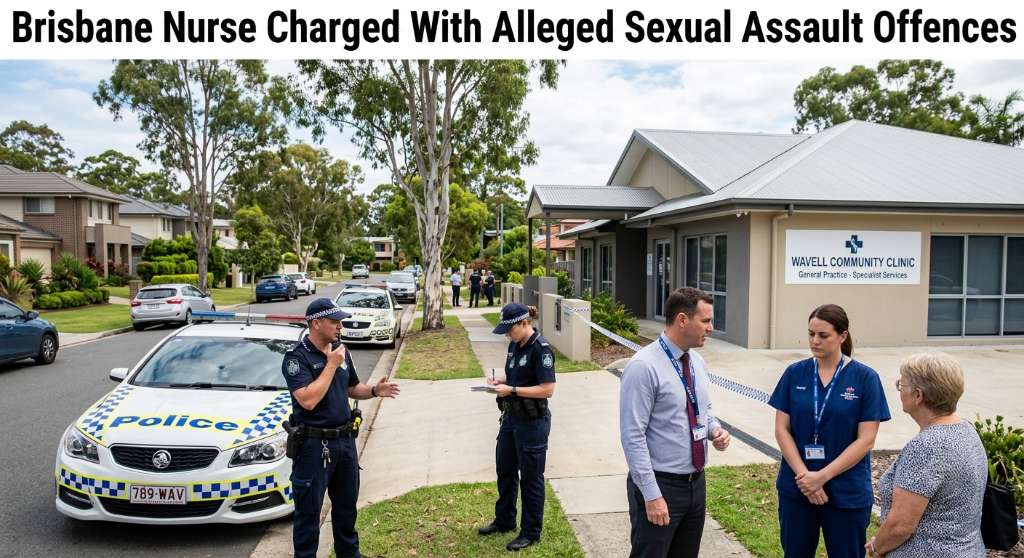
A Wavell Heights enrolled nurse has been charged with four counts of alleged sexual assault and one count of wilful exposure, with his professional regi...
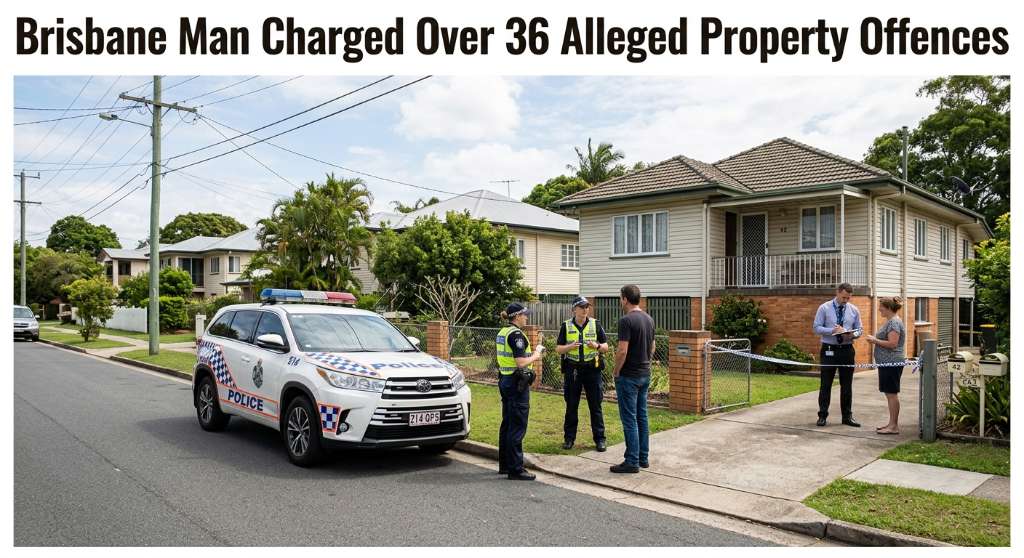
A 24-year-old Carina Heights man has been charged with 36 offences following an investigation into alleged break-ins, vehicle offences and other propert...
Cairns Regional Council has unanimously voted to seek $400,000 in Queensland Government funding for a program designed to connect local businesses with the region’s growing film...
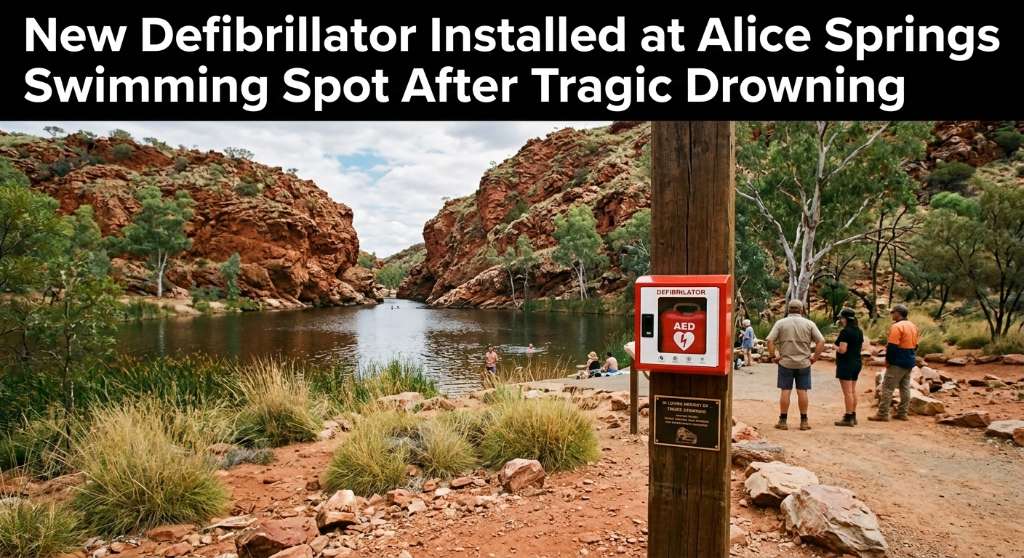
An automated external defibrillator and memorial plaque have been installed at Ellery Creek Big Hole following the death of disability advocate Ellen Fr...
Queensland firefighters spent several hours monitoring a significant grass fire at Mary Kinross Park in Bargara, near Bundaberg, after the blaze broke out on Wednesday evening....