Safety note: Admin approval is an initial review, not a guarantee that every detail is correct. Check important or urgent claims with official sources and report anything inaccurate or unsafe.
Source and credit: Contributor's own report
Alice Springs Recognised Among Australia's Most LGBTQIA+ Inclusive Communities - Alice Springs, NT
Smart summary
New research places the Northern Territory town in Australia's top 10 for LGBTQIA+ inclusivity, reinforcing its long-standing reputation as a welcoming community.
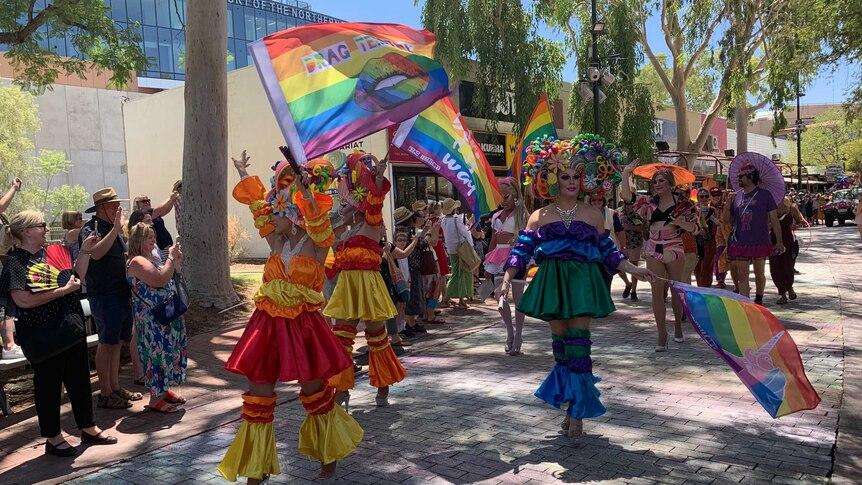
Alice Springs has once again earned recognition as one of Australia's most LGBTQIA+-inclusive communities, with new research highlighting the remote Northern Territory town as one of the nation's top places for same-sex couples. The findings reinforce a reputation that has existed for decades, with many residents proudly embracing the town's diversity, openness and strong sense of community.
The research, conducted by demographer Andrew Taylor from Charles Darwin University, analysed data from the 2021 Australian Census. It found that Alice Springs ranks among Australia's top 10 cities and towns for the proportion of same-sex couples living in the community. Notably, it is the only remote Australian town to feature in the top rankings, making it unique among predominantly metropolitan locations.
Many locals say the town's welcoming culture has developed over decades. Alice Springs has long attracted people seeking an accepting and inclusive place to live, regardless of background or identity. Residents describe the town as one where diversity is celebrated and newcomers are readily welcomed into the community. This sense of belonging has contributed to its enduring reputation as a safe and supportive environment for LGBTQIA+ people.
Historians and community members also point to the legacy of the 1983 Pine Gap Women's Peace Camp, a major anti-nuclear protest that brought hundreds of women to Central Australia. Many participants remained in the region after the protest, helping establish a vibrant lesbian community that has continued to grow over subsequent decades. The event is widely regarded as a significant influence on Alice Springs' unique social and cultural identity.
Beyond census statistics, residents say the town's inclusive character is reflected in everyday life. Local sporting clubs, arts organisations, businesses and community groups actively welcome people from diverse backgrounds, while cultural events and social networks continue to strengthen connections across the community. Many LGBTQIA+ residents say they value the close-knit atmosphere, where relationships are built through shared community involvement rather than the anonymity often associated with larger cities.
Researchers caution that census figures only measure couples living together and do not capture the full diversity of the LGBTQIA+ population. Nevertheless, they believe the data provides valuable insight into patterns of inclusion and community acceptance across Australia. For Alice Springs, the findings support what many locals have believed for years—that despite its remote location, the town offers an environment where people feel comfortable living openly and authentically.
Community leaders hope the recognition will encourage more people to visit, work and settle in Central Australia while challenging stereotypes about life in remote regions. They argue that Alice Springs demonstrates inclusivity is not limited to major cities and that strong community values can flourish anywhere. As the town continues to celebrate its cultural diversity, many residents see the latest recognition as a reflection of the welcoming spirit that has defined Alice Springs for generations.
CommunityAliceSpringsTownMany
Alice Springs has once again earned recognition as one of Australia's most LGBTQIA+-inclusive communities, with new research highlighting the remote Northern Territory town as one of the nation's top places for same-sex couples. The findings reinforce a reputation that has existed for decades, with many residents proudly embracing the town's diversity, openness and strong sense of community.
The research, conducted by demographer Andrew Taylor from Charles Darwin University, analysed data from the 2021 Australian Census. It found that Alice Springs ranks among Australia's top 10 cities and towns for the proportion of same-sex couples living in the community. Notably, it is the only remote Australian town to feature in the top rankings, making it unique among predominantly metropolitan locations.
Many locals say the town's welcoming culture has developed over decades. Alice Springs has long attracted people seeking an accepting and inclusive place to live, regardless of background or identity. Residents describe the town as one where diversity is celebrated and newcomers are readily welcomed into the community. This sense of belonging has contributed to its enduring reputation as a safe and supportive environment for LGBTQIA+ people.
Historians and community members also point to the legacy of the 1983 Pine Gap Women's Peace Camp, a major anti-nuclear protest that brought hundreds of women to Central Australia. Many participants remained in the region after the protest, helping establish a vibrant lesbian community that has continued to grow over subsequent decades. The event is widely regarded as a significant influence on Alice Springs' unique social and cultural identity.
Beyond census statistics, residents say the town's inclusive character is reflected in everyday life. Local sporting clubs, arts organisations, businesses and community groups actively welcome people from diverse backgrounds, while cultural events and social networks continue to strengthen connections across the community. Many LGBTQIA+ residents say they value the close-knit atmosphere, where relationships are built through shared community involvement rather than the anonymity often associated with larger cities.
Researchers caution that census figures only measure couples living together and do not capture the full diversity of the LGBTQIA+ population. Nevertheless, they believe the data provides valuable insight into patterns of inclusion and community acceptance across Australia. For Alice Springs, the findings support what many locals have believed for years—that despite its remote location, the town offers an environment where people feel comfortable living openly and authentically.
Community leaders hope the recognition will encourage more people to visit, work and settle in Central Australia while challenging stereotypes about life in remote regions. They argue that Alice Springs demonstrates inclusivity is not limited to major cities and that strong community values can flourish anywhere. As the town continues to celebrate its cultural diversity, many residents see the latest recognition as a reflection of the welcoming spirit that has defined Alice Springs for generations.
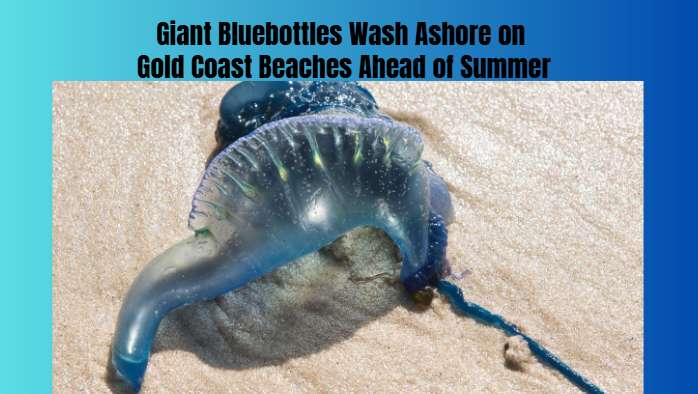
Bluebottles measuring up to three times the usual size have been washing onto Gold Coast beaches earlier than expected, prompting questions from scienti...
A high-tech greenhouse at Pacific Pines State High School is giving students hands-on experience in growing fresh produce, learning science and developi...
Brisbane is transforming plain walls and graffiti-prone public spaces into colourful murals by local artists, with a Newstead tunnel artwork and a Toowo...
Tasmanian homeowners and businesses are facing higher borrowing costs after the Reserve Bank lifted the cash rate to 4.6 per cent, with lower average wa...
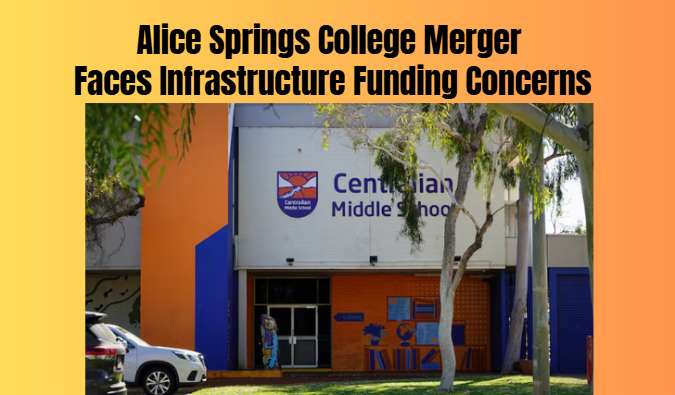
Community and education representatives have raised concerns that the initial $500,000 allocation may not cover the infrastructure upgrades needed for t...
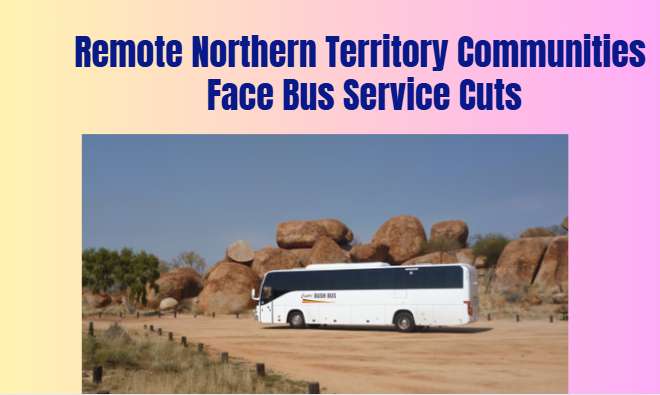
Essential bus services connecting Alice Springs with five remote communities have been reduced, with the operator warning that some routes could be canc...
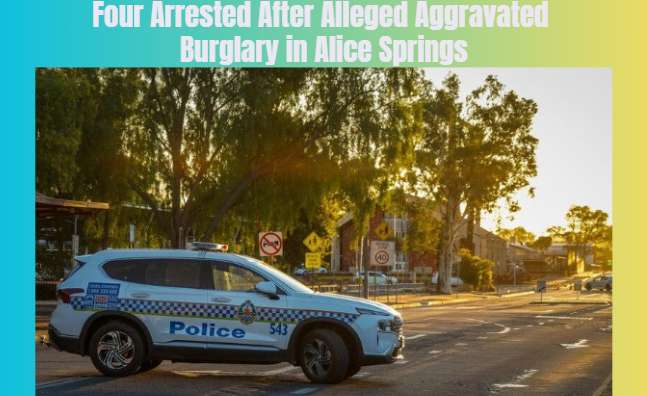
Northern Territory Police are investigating a series of alleged aggravated burglaries in Alice Springs after up to seven homes in the Araluen area were...
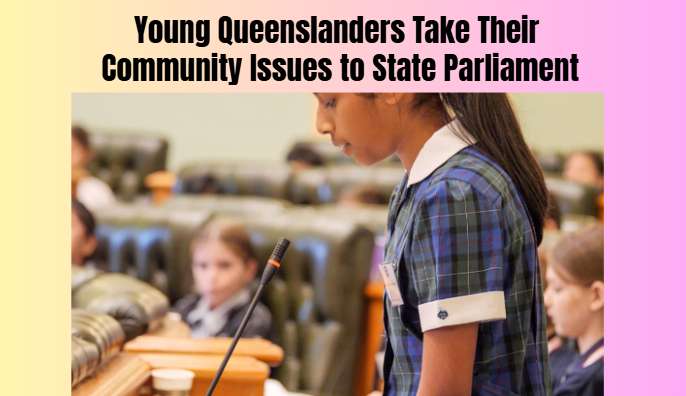
Young people from regional and remote Queensland communities are participating in youth councils and a state youth parliament, raising issues such as di...
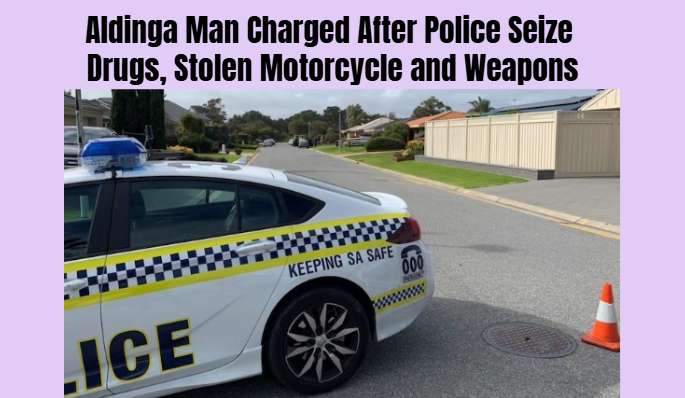
A 29-year-old man from Aldinga has been charged with multiple drug, traffic and weapons offences after police allegedly found methamphetamine, other ill...
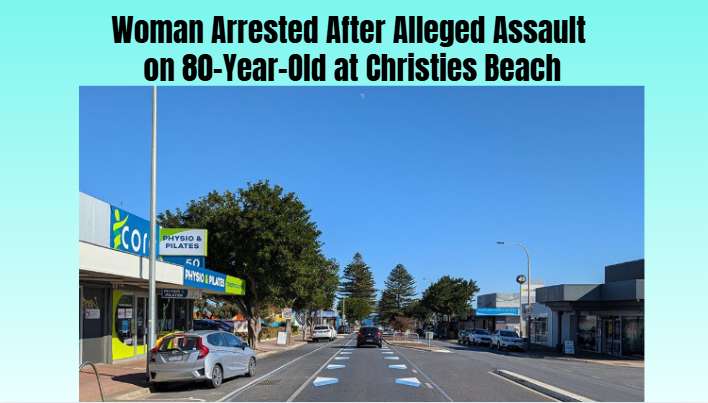
South Australian police have arrested a 22-year-old woman following an alleged assault on an elderly woman outside a business on Beach Road, Christies B...
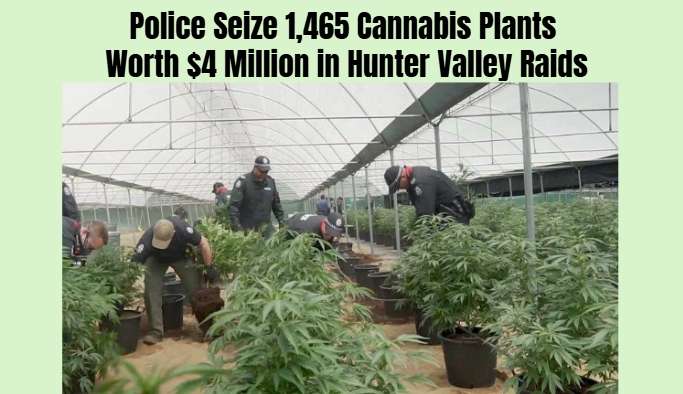
Two men have been charged after a series of police raids across Cessnock, Denman, Muswellbrook and Singleton Heights uncovered 1,465 cannabis plants, wi...