Safety note: Admin approval is an initial review, not a guarantee that every detail is correct. Check important or urgent claims with official sources and report anything inaccurate or unsafe.
Source and credit: Contributor's own report
Anglican Diocese Sells Churches as Abuse Claims and Falling Congregations Strain Finances - Mackay, Queensland
Smart summary
The Anglican Diocese of North Queensland has moved to sell multiple churches and rectories across the Mackay and Whitsunday regions as it battles millions of dollars in historical abuse compensation liabilities and de...
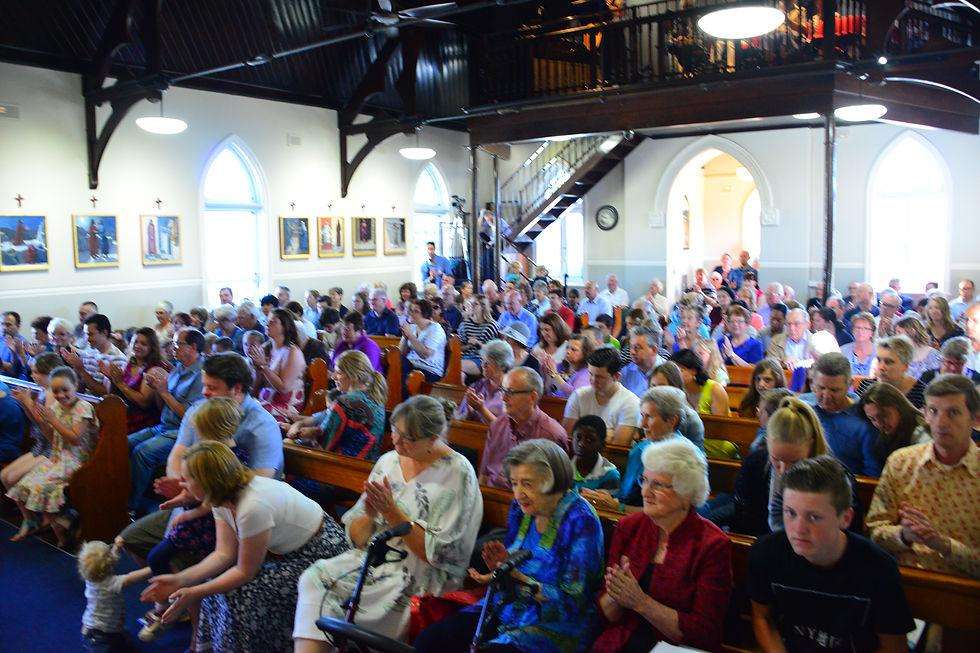
The Anglican Diocese of North Queensland has announced plans to sell a number of church properties across North Queensland as part of a major restructuring effort aimed at ensuring its long-term survival. The move comes after the diocese entered receivership and faced mounting financial pressure from historical child sexual abuse compensation claims as well as declining congregation numbers and clergy shortages.
According to documents released by receivers SV Partners, the diocese has already identified numerous properties for sale. Phase 1 includes 13 properties, while a proposed second phase could involve the sale of five additional churches in the Mackay-Isaac-Whitsunday region. The sales are expected to raise millions of dollars to help meet financial obligations and support a broader restructuring program.
Properties identified include church buildings and rectories in communities such as Mackay, Proserpine, Bowen, Mirani, Nebo, Gargett, Koumala and Carmila. The proposed second stage alone is estimated to generate approximately $8 million if approved by the courts.
The receivers' report states that historical abuse claims have become the diocese's largest area of expenditure. Since 2019, more than $9 million has been allocated to compensation claims, while future liabilities are estimated to range between $8 million and $13 million. The diocese entered receivership in 2025 after struggling to meet these obligations.
While the organisation remains technically solvent with significant property holdings, it has been described as cash-flow insolvent because ongoing income is insufficient to cover operating costs and future liabilities. Average attendance at parish services has fallen significantly over the past decade, and many congregations now rely on ageing membership bases. Receivers noted that the diocese has "too many churches, too few clergy and too few parishioners" to sustain its current structure.
The restructuring plan aims to reduce the number of properties under diocesan management and consolidate ministry operations into fewer regions. Church leaders say the objective is to create a financially sustainable diocese capable of continuing its mission for future generations while fulfilling its obligations to abuse survivors.
The proposal has generated strong reactions from parishioners and heritage advocates. Some community groups support compensation for survivors but argue that the scale of the property sales could result in the loss of important historic churches and community landmarks. Campaigns have already emerged in several towns seeking to save church buildings considered culturally significant.
Church leaders maintain that difficult decisions are necessary to address both historical liabilities and long-term demographic changes affecting religious organisations across Australia. The sales and restructuring process is expected to continue over the coming months as court approvals and community consultations proceed.
DioceseChurchPropertiesAbuseChurches
The Anglican Diocese of North Queensland has announced plans to sell a number of church properties across North Queensland as part of a major restructuring effort aimed at ensuring its long-term survival. The move comes after the diocese entered receivership and faced mounting financial pressure from historical child sexual abuse compensation claims as well as declining congregation numbers and clergy shortages.
According to documents released by receivers SV Partners, the diocese has already identified numerous properties for sale. Phase 1 includes 13 properties, while a proposed second phase could involve the sale of five additional churches in the Mackay-Isaac-Whitsunday region. The sales are expected to raise millions of dollars to help meet financial obligations and support a broader restructuring program.
Properties identified include church buildings and rectories in communities such as Mackay, Proserpine, Bowen, Mirani, Nebo, Gargett, Koumala and Carmila. The proposed second stage alone is estimated to generate approximately $8 million if approved by the courts.
The receivers' report states that historical abuse claims have become the diocese's largest area of expenditure. Since 2019, more than $9 million has been allocated to compensation claims, while future liabilities are estimated to range between $8 million and $13 million. The diocese entered receivership in 2025 after struggling to meet these obligations.
While the organisation remains technically solvent with significant property holdings, it has been described as cash-flow insolvent because ongoing income is insufficient to cover operating costs and future liabilities. Average attendance at parish services has fallen significantly over the past decade, and many congregations now rely on ageing membership bases. Receivers noted that the diocese has "too many churches, too few clergy and too few parishioners" to sustain its current structure.
The restructuring plan aims to reduce the number of properties under diocesan management and consolidate ministry operations into fewer regions. Church leaders say the objective is to create a financially sustainable diocese capable of continuing its mission for future generations while fulfilling its obligations to abuse survivors.
The proposal has generated strong reactions from parishioners and heritage advocates. Some community groups support compensation for survivors but argue that the scale of the property sales could result in the loss of important historic churches and community landmarks. Campaigns have already emerged in several towns seeking to save church buildings considered culturally significant.
Church leaders maintain that difficult decisions are necessary to address both historical liabilities and long-term demographic changes affecting religious organisations across Australia. The sales and restructuring process is expected to continue over the coming months as court approvals and community consultations proceed.
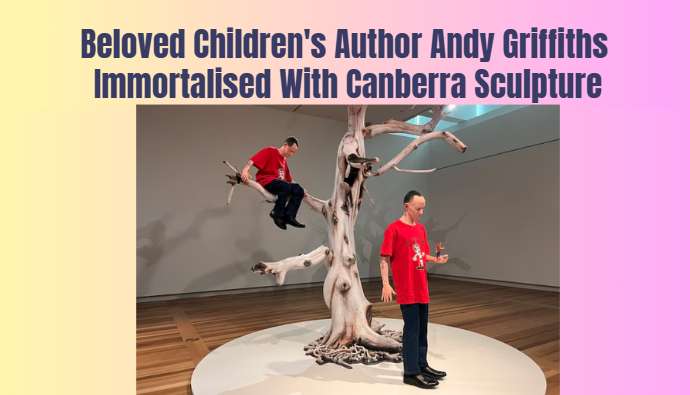
A four-metre-high 3D-printed sculpture celebrating Australian children's author Andy Griffiths has gone on display at Canberra's National Portrait Gallery.
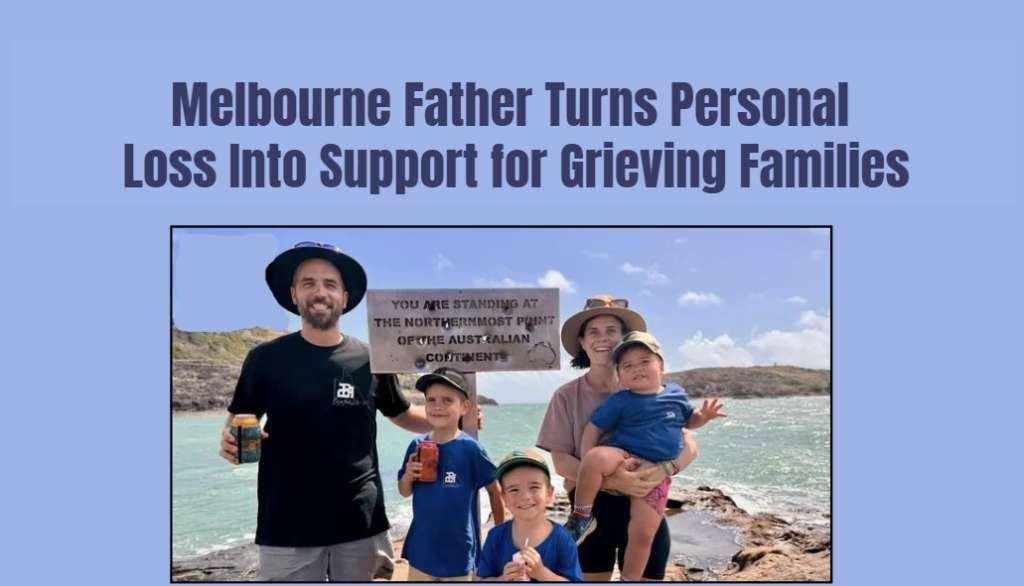
After losing two sons, Melbourne father Nick Olney has established a charity helping grieving parents preserve memories of their babies and access suppo...
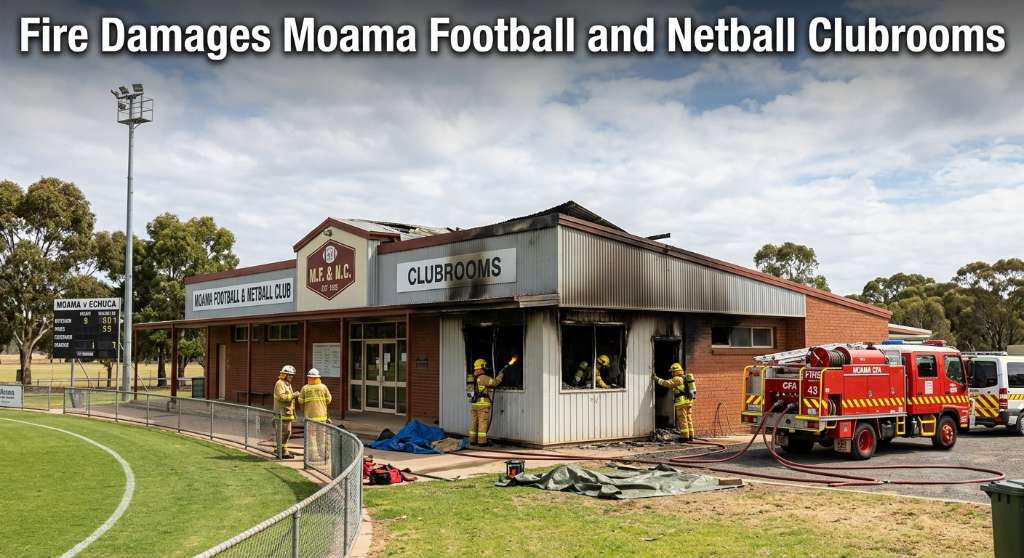
A fire damaged the Moama Football and Netball Club's social rooms during Saturday's grand final, forcing about 1,000 people to leave the building becaus...
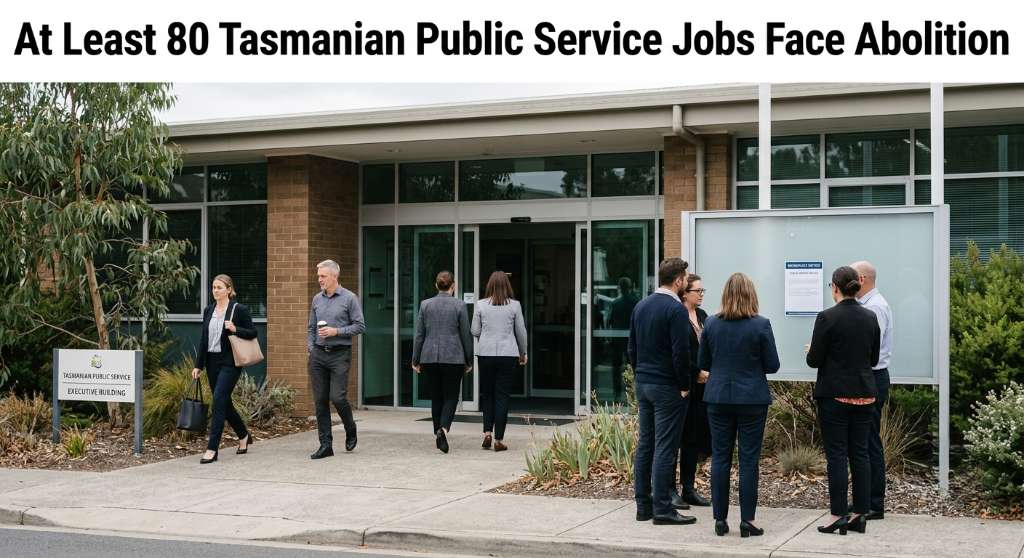
At least 80 positions have been identified for abolition as Tasmania restructures parts of its public service and works toward a broader reduction in go...
A 50-year-old man has died after being struck by a vehicle in Fernvale, west of Brisbane, with police launching a homicide investigation and arresting a...
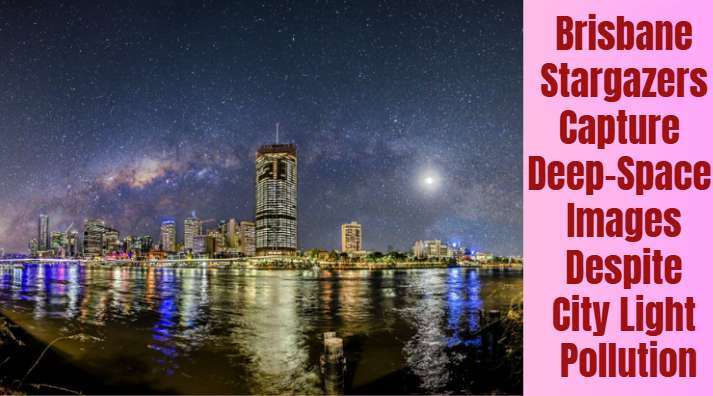
Amateur astronomers are using new telescope technology to photograph the Moon, planets and distant galaxies from Brisbane homes, showing that city skies...
Severe weather in Melbourne has caused flight disruptions from Brisbane, with at least one flight cancelled and other services delayed as passengers tra...
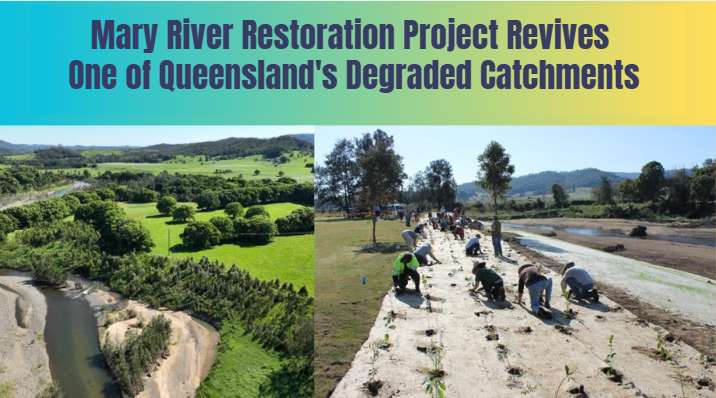
A long-running community restoration effort along Queensland's Mary River is reducing erosion, improving water quality and helping restore habitat for n...
A 50-year-old man has died after being struck by a vehicle in Fernvale, west of Brisbane, with police launching a homicide investigation and arresting a...
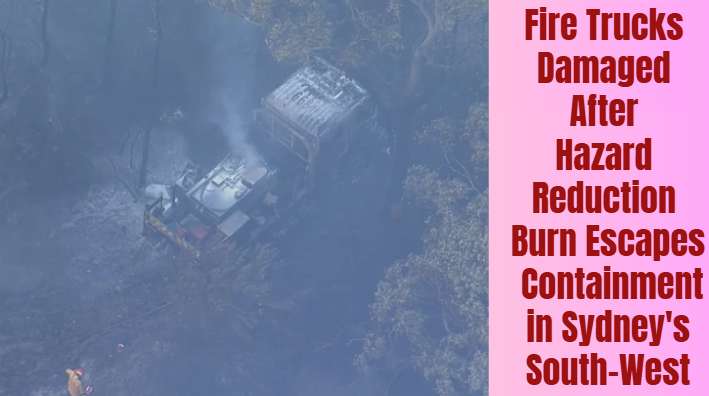
Multiple Rural Fire Service trucks were damaged after a planned hazard reduction burn at Wedderburn in Sydney's south-west escaped containment on Saturday.
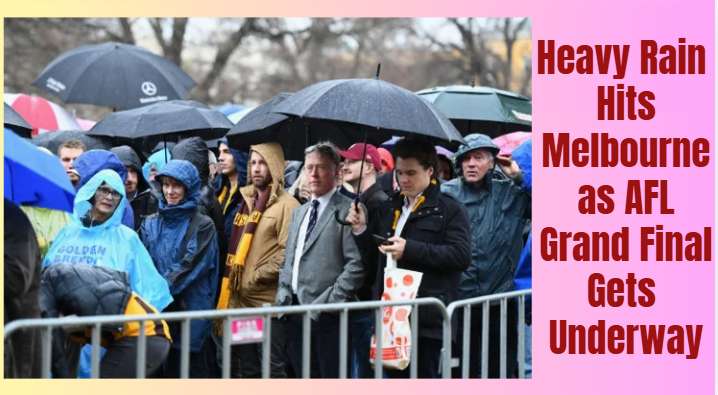
Wet conditions at the Melbourne Cricket Ground are creating difficult conditions for the AFL Grand Final, while poor weather has also disrupted flights...
Amateur astronomers are using new telescope technology to photograph the Moon, planets and distant galaxies from Brisbane homes, showing that city skies...