Safety note: Admin approval is an initial review, not a guarantee that every detail is correct. Check important or urgent claims with official sources and report anything inaccurate or unsafe.
Source and credit: Contributor's own report
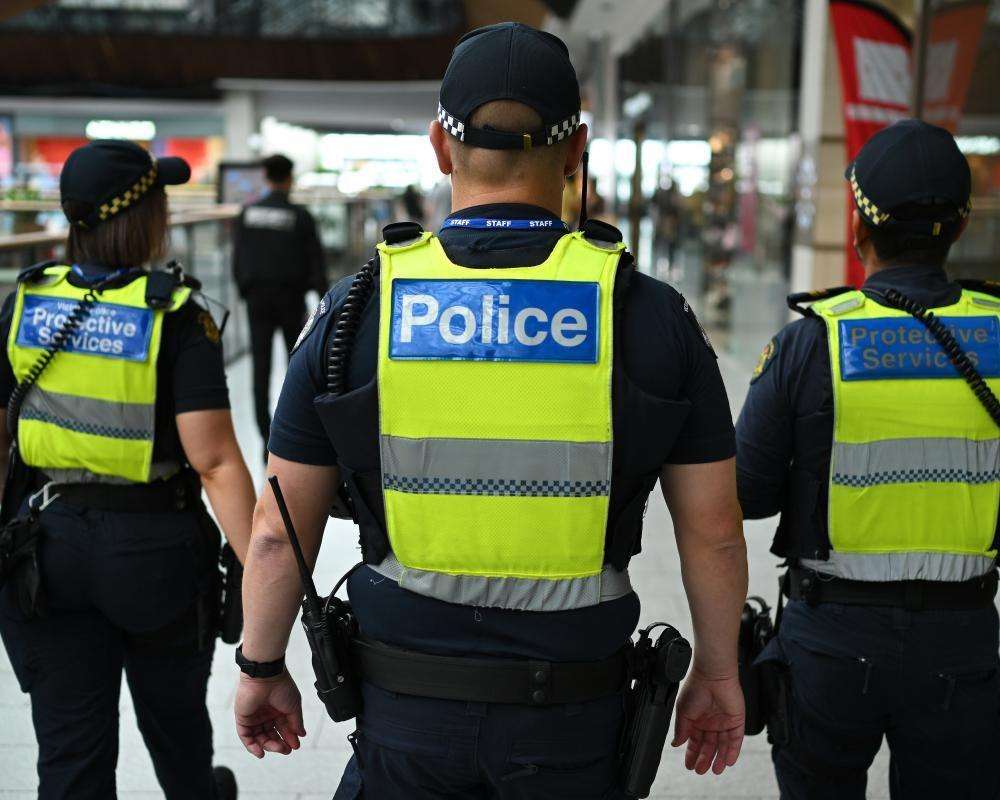
150 Extra Protective Services Officers to Patrol Melbourne Shopping Centres - Melbourne, VIC
Smart summary
Victoria is expanding PSO patrols across shopping centres and other high-crime areas as the government responds to growing community concerns about safety.
The Victorian Government has announced a major expansion of Protective Services Officer (PSO) patrols across Melbourne shopping centres, shopping strips and other areas considered vulnerable to crime.
The move will add 150 PSOs, backed by a $151 million investment, as authorities seek to increase visible security and respond to concerns about violent and retail crime across the city.
The additional officers are expected to support police in busy public locations and provide a stronger security presence in places where large numbers of people gather.
Shopping centres and retail precincts have become a particular focus following a series of violent incidents that have increased concerns among shoppers, workers and business owners.
The expanded PSO deployment is part of a broader Victorian Government crime crackdown. Authorities are also continuing Operation Pulse, a police operation targeting major retail crime and related offences. The operation has resulted in more than 1,700 arrests and thousands of charges since it began.
The government says the additional PSOs will help free police officers to focus on more serious investigations and emergency responses while maintaining a visible security presence in public areas.
For Melbourne residents, the increased patrols could mean seeing more uniformed officers around shopping centres, retail strips and transport-related locations.
The announcement comes amid heightened public concern about violent crime in Melbourne. Recent incidents involving weapons, assaults and vehicles have intensified calls for stronger security measures in busy public places.
Retail workers and business owners are among those likely to benefit from increased patrols. A visible security presence can provide reassurance to employees who work late hours and to customers visiting shopping precincts.
The government also expects the additional officers to assist with certain duties currently requiring police resources. This could allow Victoria Police to concentrate more heavily on investigations, emergency responses and serious criminal matters.
The opposition has also made community safety a major election issue, proposing additional police recruitment and changes to the deployment of PSOs.
The new patrol arrangements are therefore likely to remain an important part of Melbourne's public-safety debate.
For residents and visitors, the expansion represents a significant increase in security personnel across some of Melbourne's busiest public locations.
The effectiveness of the program will likely be assessed through crime rates, arrests, community feedback and the ability of police to respond to serious incidents.
PoliceCrimeMelbourneSecurityShopping
The Victorian Government has announced a major expansion of Protective Services Officer (PSO) patrols across Melbourne shopping centres, shopping strips and other areas considered vulnerable to crime.
The move will add 150 PSOs, backed by a $151 million investment, as authorities seek to increase visible security and respond to concerns about violent and retail crime across the city.
The additional officers are expected to support police in busy public locations and provide a stronger security presence in places where large numbers of people gather.
Shopping centres and retail precincts have become a particular focus following a series of violent incidents that have increased concerns among shoppers, workers and business owners.
The expanded PSO deployment is part of a broader Victorian Government crime crackdown. Authorities are also continuing Operation Pulse, a police operation targeting major retail crime and related offences. The operation has resulted in more than 1,700 arrests and thousands of charges since it began.
The government says the additional PSOs will help free police officers to focus on more serious investigations and emergency responses while maintaining a visible security presence in public areas.
For Melbourne residents, the increased patrols could mean seeing more uniformed officers around shopping centres, retail strips and transport-related locations.
The announcement comes amid heightened public concern about violent crime in Melbourne. Recent incidents involving weapons, assaults and vehicles have intensified calls for stronger security measures in busy public places.
Retail workers and business owners are among those likely to benefit from increased patrols. A visible security presence can provide reassurance to employees who work late hours and to customers visiting shopping precincts.
The government also expects the additional officers to assist with certain duties currently requiring police resources. This could allow Victoria Police to concentrate more heavily on investigations, emergency responses and serious criminal matters.
The opposition has also made community safety a major election issue, proposing additional police recruitment and changes to the deployment of PSOs.
The new patrol arrangements are therefore likely to remain an important part of Melbourne's public-safety debate.
For residents and visitors, the expansion represents a significant increase in security personnel across some of Melbourne's busiest public locations.
The effectiveness of the program will likely be assessed through crime rates, arrests, community feedback and the ability of police to respond to serious incidents.
A 50-year-old man has died after being struck by a vehicle in Fernvale, west of Brisbane, with police launching a homicide investigation and arresting a...
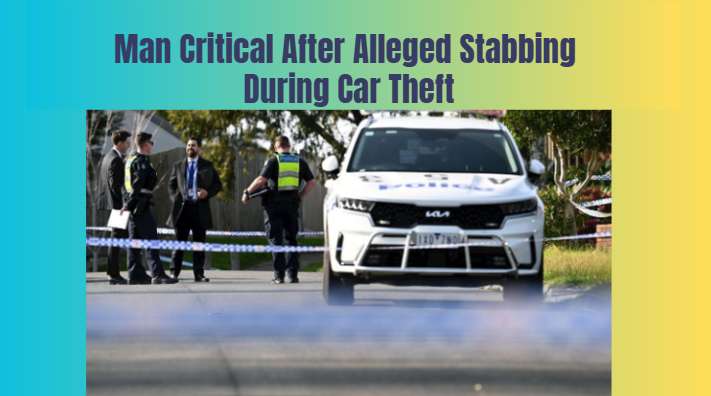
Police have arrested three teenagers after a man was allegedly stabbed while confronting a group of boys attempting to break into a car in Melbourne’s s...
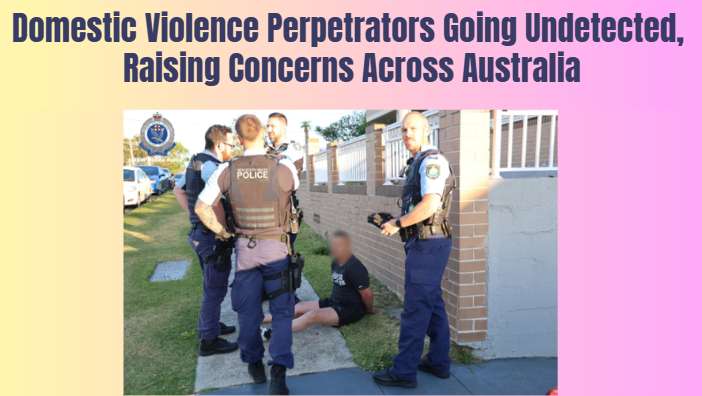
Recent domestic violence-related deaths in New South Wales have highlighted concerns about gaps in identifying alleged perpetrators before serious viole...
Former Tasmanian GP Michael Anthony Welch has pleaded not guilty to three indecent assault charges relating to allegations made by a former patient abou...
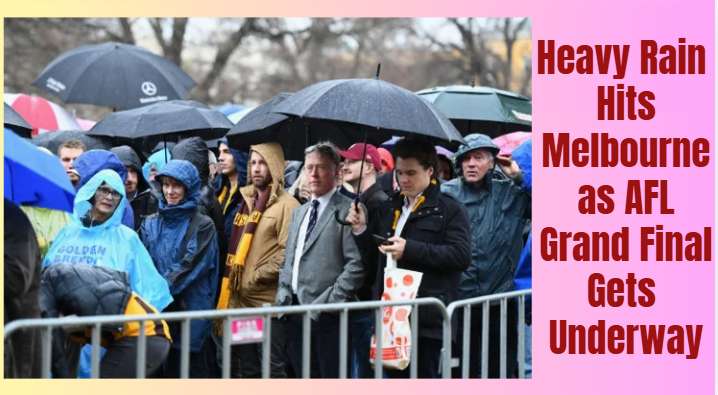
Wet conditions at the Melbourne Cricket Ground are creating difficult conditions for the AFL Grand Final, while poor weather has also disrupted flights...
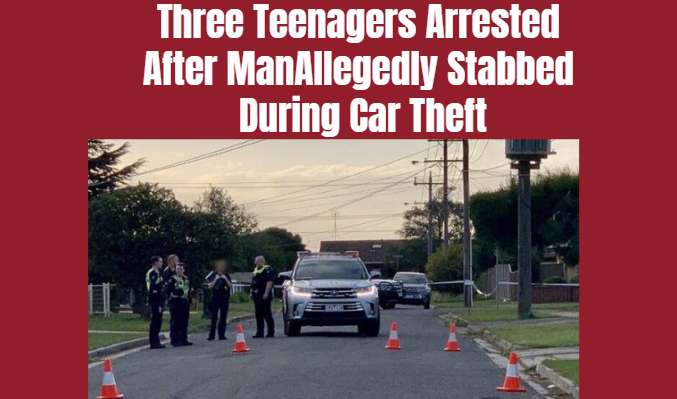
Police have arrested three teenagers after a man was allegedly stabbed while confronting a group of boys attempting to break into a car in Melbourne’s s...
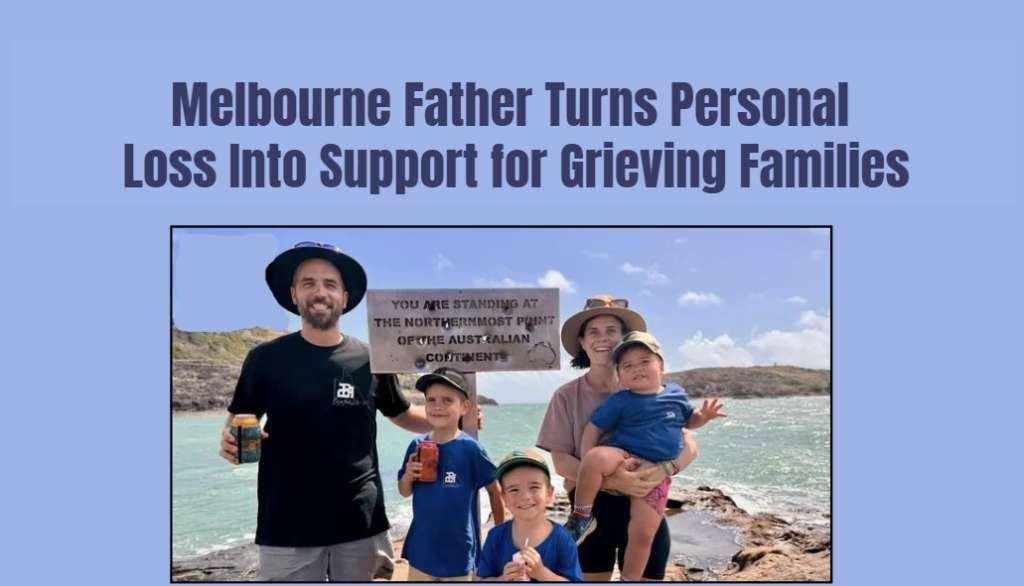
After losing two sons, Melbourne father Nick Olney has established a charity helping grieving parents preserve memories of their babies and access suppo...
A 50-year-old man has died after being struck by a vehicle in Fernvale, west of Brisbane, with police launching a homicide investigation and arresting a...
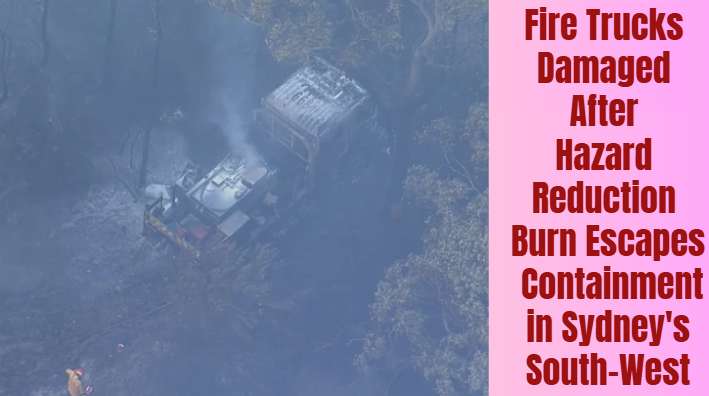
Multiple Rural Fire Service trucks were damaged after a planned hazard reduction burn at Wedderburn in Sydney's south-west escaped containment on Saturday.
Wet conditions at the Melbourne Cricket Ground are creating difficult conditions for the AFL Grand Final, while poor weather has also disrupted flights...
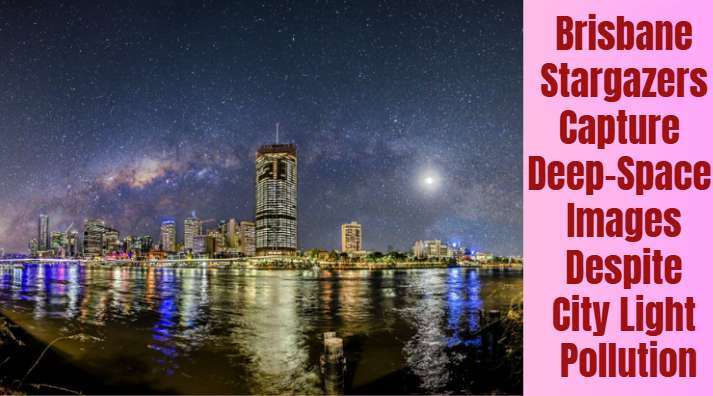
Amateur astronomers are using new telescope technology to photograph the Moon, planets and distant galaxies from Brisbane homes, showing that city skies...