Australia's Illegal Tobacco Market Shrinks for First Time After Years of Rapid Growth
By Chloe · Published 16 Nov 2026 · Updated 16 Nov 2026
Sydney, NSW · New South Wales News
Safety note: Admin approval is an initial review, not a guarantee that every detail is correct. Check important or urgent claims with official sources and report anything inaccurate or unsafe.
Source and credit: Contributor's own report
Australia's Illegal Tobacco Market Shrinks for First Time After Years of Rapid Growth - Sydney, NSW
Smart summary
New government figures show a decline in the country's illicit tobacco market following record seizures and increased enforcement by Australian Border Force.
Australia's illegal tobacco market has recorded its first decline in five years, with new government figures indicating that coordinated enforcement operations and increased border seizures are beginning to disrupt the country's black-market tobacco trade.
The figures, released on Monday, November 16, show that the estimated volume of illicit tobacco has fallen from its previous peak of 5,972 tonnes. The Illicit Tobacco and E-cigarette Commissioner estimates that the market now stands at approximately 5,893 tonnes, although the figure could be as low as 4,453 tonnes.
The reduction represents a significant development after five consecutive years of rapid growth, during which the estimated volume of illegal tobacco increased by an average of 22.6 per cent annually.
The Australian Government has attributed the decline to stronger enforcement measures, increased seizures at international borders and improved cooperation between federal, state and territory authorities.
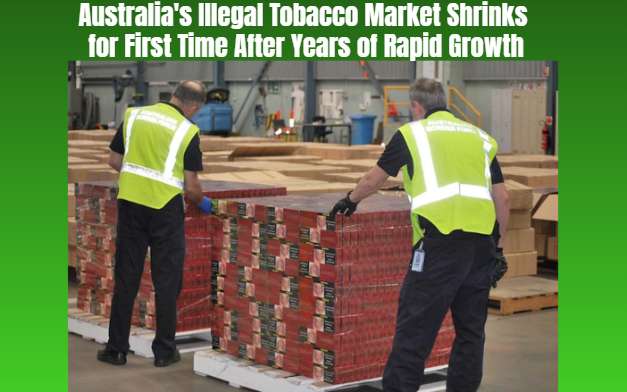
Australian Border Force has played a central role in the national crackdown. During the first three months of the current financial year, officers seized more than 730 tonnes of illicit tobacco, representing a record level of seizures and an increase of approximately 50 per cent compared with the same period last year.
The operation also resulted in the seizure of more than 3.75 million illegal vaping devices.
Assistant Minister for Customs Julian Hill said the latest figures provided encouraging evidence that enforcement activities were beginning to reverse the growth of the illegal market.
The government has invested close to $100 million to support state and territory authorities in strengthening enforcement against illegal tobacco sales. The funding is intended to improve investigations, support inspections and help authorities take action against businesses involved in unlawful trading.
A national enforcement initiative known as the National Disruption Group has also contributed to the crackdown. The group brings together 31 federal, state and territory agencies, including police and other law enforcement organisations.
During its first year, the group coordinated more than 600 enforcement operations targeting suspected illegal tobacco networks. These activities resulted in the seizure of more than 24 million illicit cigarettes and 3.6 tonnes of loose-leaf tobacco.
Authorities have also reported the closure of numerous stores suspected of participating in illegal tobacco sales.
International cooperation has become another important part of the strategy. Australian agencies are working with overseas partners to identify suspicious shipments, exchange intelligence and disrupt supply chains before illegal products reach Australian communities.
Despite the reported decline, officials acknowledge that measuring the exact size of the illicit tobacco market remains difficult because the trade operates outside normal commercial reporting systems.
The issue has also become a major political debate. Opposition parties have proposed substantial reductions in tobacco excise as a way of reducing incentives for illegal trading. However, the federal government argues that lowering tobacco taxes could undermine public health policies and increase smoking rates.
The latest figures are therefore likely to influence further discussions about Australia's approach to tobacco regulation, organised crime and border security.
Authorities have indicated that enforcement operations will continue, with a particular focus on disrupting criminal networks, preventing illegal imports and strengthening cooperation across jurisdictions.
The decline represents an encouraging development for Australian law enforcement agencies, although officials say continued action will be necessary to prevent the illegal market from growing again.
TobaccoIllegalEnforcementMarketAuthorities
Australia's illegal tobacco market has recorded its first decline in five years, with new government figures indicating that coordinated enforcement operations and increased border seizures are beginning to disrupt the country's black-market tobacco trade.
The figures, released on Monday, November 16, show that the estimated volume of illicit tobacco has fallen from its previous peak of 5,972 tonnes. The Illicit Tobacco and E-cigarette Commissioner estimates that the market now stands at approximately 5,893 tonnes, although the figure could be as low as 4,453 tonnes.
The reduction represents a significant development after five consecutive years of rapid growth, during which the estimated volume of illegal tobacco increased by an average of 22.6 per cent annually.
The Australian Government has attributed the decline to stronger enforcement measures, increased seizures at international borders and improved cooperation between federal, state and territory authorities.
Australian Border Force has played a central role in the national crackdown. During the first three months of the current financial year, officers seized more than 730 tonnes of illicit tobacco, representing a record level of seizures and an increase of approximately 50 per cent compared with the same period last year.
The operation also resulted in the seizure of more than 3.75 million illegal vaping devices.
Assistant Minister for Customs Julian Hill said the latest figures provided encouraging evidence that enforcement activities were beginning to reverse the growth of the illegal market.
The government has invested close to $100 million to support state and territory authorities in strengthening enforcement against illegal tobacco sales. The funding is intended to improve investigations, support inspections and help authorities take action against businesses involved in unlawful trading.
A national enforcement initiative known as the National Disruption Group has also contributed to the crackdown. The group brings together 31 federal, state and territory agencies, including police and other law enforcement organisations.
During its first year, the group coordinated more than 600 enforcement operations targeting suspected illegal tobacco networks. These activities resulted in the seizure of more than 24 million illicit cigarettes and 3.6 tonnes of loose-leaf tobacco.
Authorities have also reported the closure of numerous stores suspected of participating in illegal tobacco sales.
International cooperation has become another important part of the strategy. Australian agencies are working with overseas partners to identify suspicious shipments, exchange intelligence and disrupt supply chains before illegal products reach Australian communities.
Despite the reported decline, officials acknowledge that measuring the exact size of the illicit tobacco market remains difficult because the trade operates outside normal commercial reporting systems.
The issue has also become a major political debate. Opposition parties have proposed substantial reductions in tobacco excise as a way of reducing incentives for illegal trading. However, the federal government argues that lowering tobacco taxes could undermine public health policies and increase smoking rates.
The latest figures are therefore likely to influence further discussions about Australia's approach to tobacco regulation, organised crime and border security.
Authorities have indicated that enforcement operations will continue, with a particular focus on disrupting criminal networks, preventing illegal imports and strengthening cooperation across jurisdictions.
The decline represents an encouraging development for Australian law enforcement agencies, although officials say continued action will be necessary to prevent the illegal market from growing again.
Police are investigating a daylight theft after three valuable trophies belonging to Australia's legendary racehorse were taken from an exhibition displ...
Operation Amarok 15 resulted in 1,594 charges, hundreds of apprehended domestic violence order breaches identified and dozens of firearms seized across...
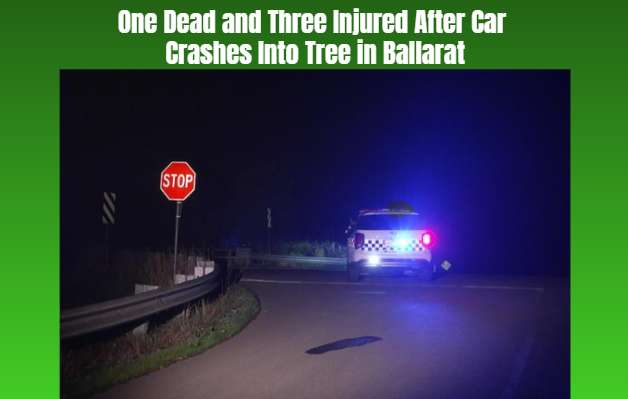
A front-seat passenger died at the scene after a vehicle left the road and struck a tree in western Victoria, while the driver suffered life-threatening...
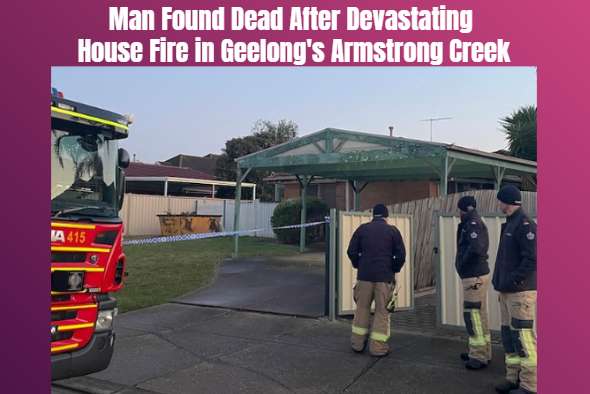
Emergency crews discovered a man's body after a residential property was engulfed in flames during an early-morning fire in Victoria, with police invest...
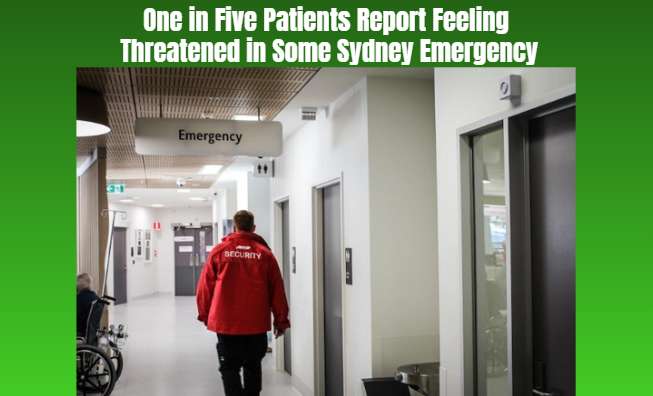
NSW patient survey findings highlight safety concerns in several major hospitals, as the state government commits additional security staff to emergency...
A major Microsoft service disruption affected millions of users worldwide, interrupting email, workplace communication, healthcare administration and bu...
New battery-powered trailer technology is attracting attention in Australia's transport industry, with the potential to reduce fuel consumption, operati...
NSW patient survey findings highlight safety concerns in several major hospitals, as the state government commits additional security staff to emergency...
Police are investigating a daylight theft after three valuable trophies belonging to Australia's legendary racehorse were taken from an exhibition displ...
Operation Amarok 15 resulted in 1,594 charges, hundreds of apprehended domestic violence order breaches identified and dozens of firearms seized across...