One in Five Patients Report Feeling Threatened in Some Sydney Emergency
By Chloe · Published 16 Nov 2026 · Updated 16 Nov 2026
Sydney, NSW · New South Wales News
Safety note: Admin approval is an initial review, not a guarantee that every detail is correct. Check important or urgent claims with official sources and report anything inaccurate or unsafe.
Source and credit: Contributor's own report
One in Five Patients Report Feeling Threatened in Some Sydney Emergency - Sydney, NSW
Smart summary
NSW patient survey findings highlight safety concerns in several major hospitals, as the state government commits additional security staff to emergency departments.
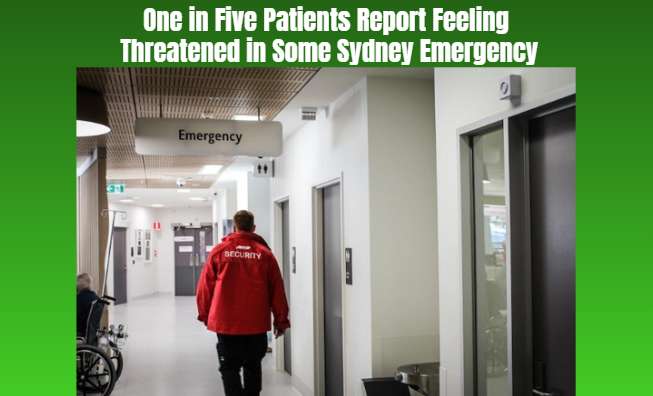
Patients attending several major emergency departments in Sydney have reported feeling threatened by other patients or visitors, according to findings highlighted in Australian media reports on 16 November 2026.
The figures come from the NSW Bureau of Health Information's 2024–25 Emergency Department Patient Survey. The survey collected responses from 23,621 patients who attended emergency departments in public hospitals across New South Wales. Of those surveyed, 1,601 people, or approximately 9 per cent, said they had felt threatened by other patients or visitors.
The reported figures were particularly concerning at some Sydney hospitals. Around one in five patients reported feeling threatened at Blacktown and St Vincent's hospitals. Royal Prince Alfred and Westmead recorded figures of approximately 19 per cent, while Liverpool and Auburn hospitals recorded around 18 per cent.
The results highlight the importance of safety inside emergency departments, where patients may already be experiencing pain, anxiety or distress. Emergency departments bring together people with different medical needs, and busy waiting areas can become challenging environments for patients, visitors and healthcare workers.
The survey also identified differences between patient groups. Across NSW, women were more likely than men to report feeling threatened, with 11 per cent of women responding positively compared with 8 per cent of men. Patients aged between 18 and 34 were the most likely age group to report feeling threatened, at 14 per cent.
Healthcare workers have also raised concerns about violence in emergency departments. Registered nurse and union representative Colette Duff described experiencing physical and verbal aggression during her shifts. Healthcare professionals have warned that repeated incidents can affect staff wellbeing and make an already demanding workplace more difficult to manage.
The NSW government has responded to concerns about hospital safety by committing an additional 129 full-time-equivalent security staff across emergency departments. The plan is expected to provide round-the-clock security at 27 hospitals, including Blacktown, St Vincent's, Royal Prince Alfred, Concord, Liverpool and Westmead.
NSW Health Minister Ryan Park said hospitals with high numbers of emergency presentations can experience greater pressure and that additional security personnel could help reduce the impact of threatening behaviour. The government has also reported an increase in security staffing since 2023.
However, healthcare representatives say security staff are only one part of the solution. The NSW Nurses and Midwives' Association has emphasised the importance of adequate staffing, shorter waiting times and measures that can prevent confrontations before they escalate.
Emergency medicine representatives have also highlighted that some incidents are not formally reported. This can make it difficult to understand the full scale of the problem and develop effective prevention strategies.
The survey does not suggest that every emergency department is unsafe. The Bureau of Health Information's broader findings show that most patients were positive about the care they received. Nevertheless, the reported experiences point to areas where hospitals may need stronger safety arrangements.
For Sydney hospitals, improving emergency department safety remains an important challenge. Patients need to feel protected while receiving urgent medical attention, and healthcare workers need an environment where they can provide treatment without fear of violence or intimidation.
The additional security commitment and continued monitoring of patient experiences will be important in assessing whether safety measures are making a difference across NSW public hospitals. english.itimpress.au+2
EmergencyPatientsHospitalsCentDepartments
Patients attending several major emergency departments in Sydney have reported feeling threatened by other patients or visitors, according to findings highlighted in Australian media reports on 16 November 2026.
The figures come from the NSW Bureau of Health Information's 2024–25 Emergency Department Patient Survey. The survey collected responses from 23,621 patients who attended emergency departments in public hospitals across New South Wales. Of those surveyed, 1,601 people, or approximately 9 per cent, said they had felt threatened by other patients or visitors.
The reported figures were particularly concerning at some Sydney hospitals. Around one in five patients reported feeling threatened at Blacktown and St Vincent's hospitals. Royal Prince Alfred and Westmead recorded figures of approximately 19 per cent, while Liverpool and Auburn hospitals recorded around 18 per cent.
The results highlight the importance of safety inside emergency departments, where patients may already be experiencing pain, anxiety or distress. Emergency departments bring together people with different medical needs, and busy waiting areas can become challenging environments for patients, visitors and healthcare workers.
The survey also identified differences between patient groups. Across NSW, women were more likely than men to report feeling threatened, with 11 per cent of women responding positively compared with 8 per cent of men. Patients aged between 18 and 34 were the most likely age group to report feeling threatened, at 14 per cent.
Healthcare workers have also raised concerns about violence in emergency departments. Registered nurse and union representative Colette Duff described experiencing physical and verbal aggression during her shifts. Healthcare professionals have warned that repeated incidents can affect staff wellbeing and make an already demanding workplace more difficult to manage.
The NSW government has responded to concerns about hospital safety by committing an additional 129 full-time-equivalent security staff across emergency departments. The plan is expected to provide round-the-clock security at 27 hospitals, including Blacktown, St Vincent's, Royal Prince Alfred, Concord, Liverpool and Westmead.
NSW Health Minister Ryan Park said hospitals with high numbers of emergency presentations can experience greater pressure and that additional security personnel could help reduce the impact of threatening behaviour. The government has also reported an increase in security staffing since 2023.
However, healthcare representatives say security staff are only one part of the solution. The NSW Nurses and Midwives' Association has emphasised the importance of adequate staffing, shorter waiting times and measures that can prevent confrontations before they escalate.
Emergency medicine representatives have also highlighted that some incidents are not formally reported. This can make it difficult to understand the full scale of the problem and develop effective prevention strategies.
The survey does not suggest that every emergency department is unsafe. The Bureau of Health Information's broader findings show that most patients were positive about the care they received. Nevertheless, the reported experiences point to areas where hospitals may need stronger safety arrangements.
For Sydney hospitals, improving emergency department safety remains an important challenge. Patients need to feel protected while receiving urgent medical attention, and healthcare workers need an environment where they can provide treatment without fear of violence or intimidation.
The additional security commitment and continued monitoring of patient experiences will be important in assessing whether safety measures are making a difference across NSW public hospitals. english.itimpress.au+2
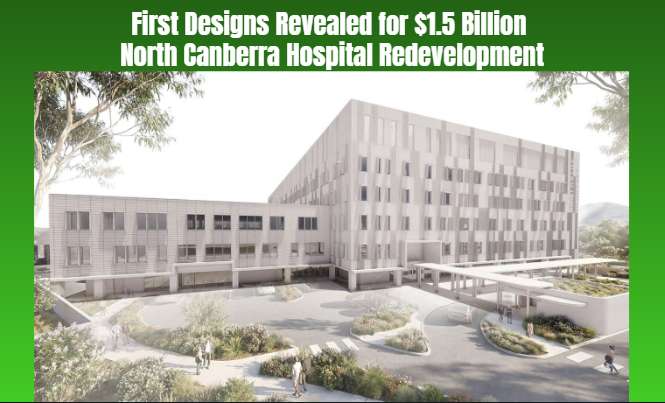
The ACT Government has released early designs for a major hospital expansion in Bruce, featuring new clinical facilities, additional beds, an emergency...
Q fever is a bacterial disease that can spread from infected animals, particularly cattle, sheep and goats, to humans. People can become infected by breathing in contaminated du...
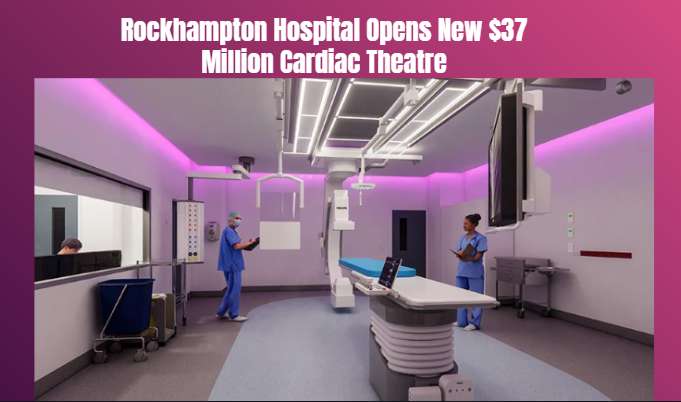
A new $37 million cardiac hybrid theatre has officially opened at Rockhampton Hospital, bringing advanced heart treatment facilities to Central Queensla...
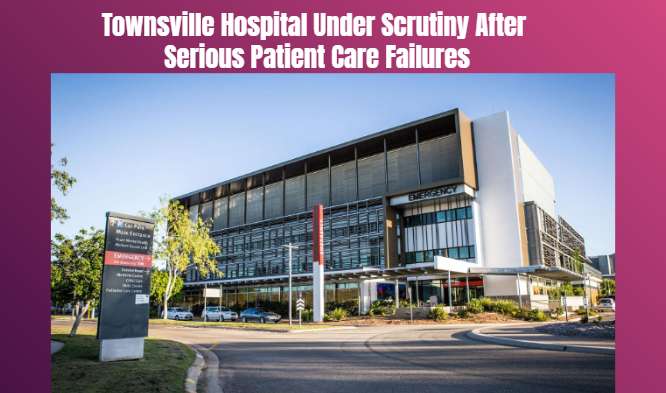
An independent Queensland Health investigation has found that serious failures in urology services at Townsville Hospital could have been addressed year...
New government figures show a decline in the country's illicit tobacco market following record seizures and increased enforcement by Australian Border F...
A major Microsoft service disruption affected millions of users worldwide, interrupting email, workplace communication, healthcare administration and bu...
New battery-powered trailer technology is attracting attention in Australia's transport industry, with the potential to reduce fuel consumption, operati...
Police are investigating a daylight theft after three valuable trophies belonging to Australia's legendary racehorse were taken from an exhibition displ...
Operation Amarok 15 resulted in 1,594 charges, hundreds of apprehended domestic violence order breaches identified and dozens of firearms seized across...
More than 200 Australian Defence Force Academy participants took part in a 42-hour remembrance march, recognising fallen service members and supporting...