Safety note: Admin approval is an initial review, not a guarantee that every detail is correct. Check important or urgent claims with official sources and report anything inaccurate or unsafe.
. Australia Faces Nationwide Shortage of Q Fever Vaccine
Smart summary
Q fever is a bacterial disease that can spread from infected animals, particularly cattle, sheep and goats, to humans. People can become infected by breathing in contaminated dust or particles from animal environments...
Q fever is a bacterial disease that can spread from infected animals, particularly cattle, sheep and goats, to humans. People can become infected by breathing in contaminated dust or particles from animal environments. The illness can cause severe flu-like symptoms, including fever, headaches, muscle pain and extreme tiredness. Some patients develop long-term complications, including serious cardiovascular problems.
Australia recorded 991 Q fever cases in 2025, the highest annual total since national monitoring began in 1991. The figures highlight the continuing public health importance of preventing the disease, particularly in rural communities and industries involving livestock.
The vaccine, known as Q-VAX, is manufactured by CSL Seqirus under an agreement with the Australian Department of Health. The company has confirmed that unexpected manufacturing difficulties and raw-material supply problems have disrupted production.
CSL Seqirus senior vice-president of operations Chris Larkins said several vaccine batches could not be released into the market. The manufacturing process is particularly complex because each batch takes approximately nine months to produce.
The company expects the next two batches to become available in late December 2026. It has also said that improving production reliability is a priority because of the vaccine's importance to public health and agricultural businesses.
The shortage is already affecting farms. Erika Chesworth, who operates Little Big Dairy near Dubbo in New South Wales, said she had been unable to vaccinate new employees since March because local clinics could not obtain supplies.
She explained that the situation was creating additional difficulties for agricultural businesses that depend on trained workers. Her farm had previously experienced cases in which employees became seriously ill with Q fever.
The shortage also affects workers outside dairy farming. Meat-processing employees, livestock handlers, shearers and others who regularly work around animals may face exposure risks. Some workplaces have vaccination requirements because of the nature of their operations.
Nurse and shearer Carol Mudford said accessing vaccination had been difficult for several years. She has called for greater public awareness, noting that people living in rural areas may face exposure even if they do not work directly with livestock.
The Australian Department of Health said CSL Seqirus was responsible for managing vaccine manufacturing, distribution and allocation of available stock. The government acknowledged the impact of the shortage on regional communities. The company is working to restore supply and expects manufacturing constraints to ease as operations transition to two new facilities in Melbourne.
Until supplies return, the shortage presents a challenge for people at increased risk of infection. Healthcare providers and affected industries will need to manage limited availability carefully while awaiting the next vaccine batches.
VaccineFeverShortageBecauseHealth
Q fever is a bacterial disease that can spread from infected animals, particularly cattle, sheep and goats, to humans. People can become infected by breathing in contaminated dust or particles from animal environments. The illness can cause severe flu-like symptoms, including fever, headaches, muscle pain and extreme tiredness. Some patients develop long-term complications, including serious cardiovascular problems.
Australia recorded 991 Q fever cases in 2025, the highest annual total since national monitoring began in 1991. The figures highlight the continuing public health importance of preventing the disease, particularly in rural communities and industries involving livestock.
The vaccine, known as Q-VAX, is manufactured by CSL Seqirus under an agreement with the Australian Department of Health. The company has confirmed that unexpected manufacturing difficulties and raw-material supply problems have disrupted production.
CSL Seqirus senior vice-president of operations Chris Larkins said several vaccine batches could not be released into the market. The manufacturing process is particularly complex because each batch takes approximately nine months to produce.
The company expects the next two batches to become available in late December 2026. It has also said that improving production reliability is a priority because of the vaccine's importance to public health and agricultural businesses.
The shortage is already affecting farms. Erika Chesworth, who operates Little Big Dairy near Dubbo in New South Wales, said she had been unable to vaccinate new employees since March because local clinics could not obtain supplies.
She explained that the situation was creating additional difficulties for agricultural businesses that depend on trained workers. Her farm had previously experienced cases in which employees became seriously ill with Q fever.
The shortage also affects workers outside dairy farming. Meat-processing employees, livestock handlers, shearers and others who regularly work around animals may face exposure risks. Some workplaces have vaccination requirements because of the nature of their operations.
Nurse and shearer Carol Mudford said accessing vaccination had been difficult for several years. She has called for greater public awareness, noting that people living in rural areas may face exposure even if they do not work directly with livestock.
The Australian Department of Health said CSL Seqirus was responsible for managing vaccine manufacturing, distribution and allocation of available stock. The government acknowledged the impact of the shortage on regional communities. The company is working to restore supply and expects manufacturing constraints to ease as operations transition to two new facilities in Melbourne.
Until supplies return, the shortage presents a challenge for people at increased risk of infection. Healthcare providers and affected industries will need to manage limited availability carefully while awaiting the next vaccine batches.
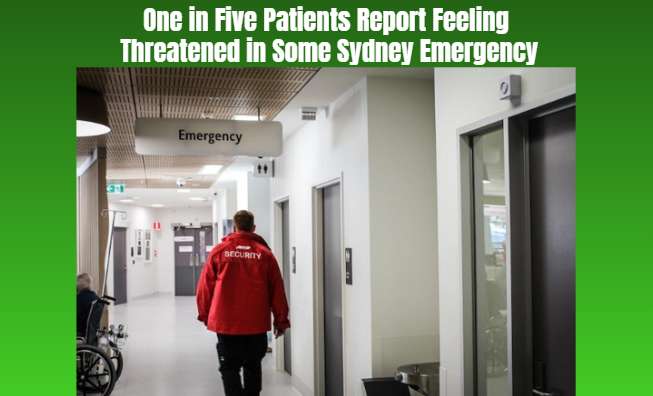
NSW patient survey findings highlight safety concerns in several major hospitals, as the state government commits additional security staff to emergency...
The ACT Government has released early designs for a major hospital expansion in Bruce, featuring new clinical facilities, additional beds, an emergency...
A new $37 million cardiac hybrid theatre has officially opened at Rockhampton Hospital, bringing advanced heart treatment facilities to Central Queensla...
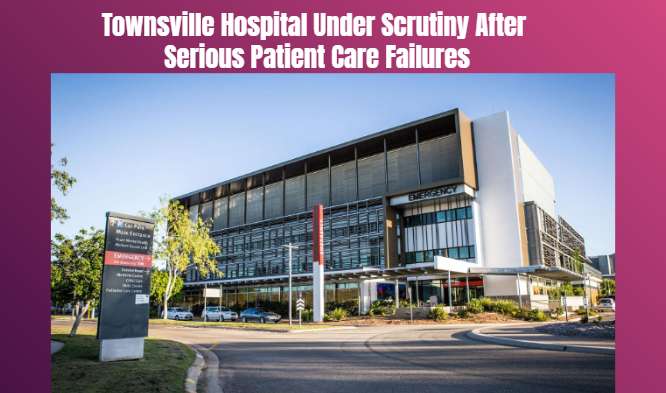
An independent Queensland Health investigation has found that serious failures in urology services at Townsville Hospital could have been addressed year...
Airservices Australia has launched a new digital platform called the Flight Information Management System (FIMS), marking an important development in the management of Australia...
Australia's financial regulator has warned that growing global uncertainty and rapidly advancing artificial intelligence are creating new risks for the country's financial syste...
A 40-year-old woman is expected to face criminal charges following a fatal collision involving cyclists in Canberra’s north, Police say the woman will face two counts of culpabl...
ACT Policing has confirmed that 36-year-old Chyvonne Tint has been located safe and well after police appealed to the Canberra community for assistance earlier on Monday, 31 Aug...
More than 200 Australian Defence Force Academy participants took part in a 42-hour remembrance march, recognising fallen service members and supporting...
Prime Minister Anthony Albanese is meeting Philippine President Ferdinand Marcos Jr in Manila following a new defence cooperation agreement focused on m...
The ACT Government has released early designs for a major hospital expansion in Bruce, featuring new clinical facilities, additional beds, an emergency...
Public school teachers in the Australian Capital Territory have rejected another government offer, keeping concerns over classroom arrangements and teac...
NSW patient survey findings highlight safety concerns in several major hospitals, as the state government commits additional security staff to emergency...
Police are investigating a daylight theft after three valuable trophies belonging to Australia's legendary racehorse were taken from an exhibition displ...
Operation Amarok 15 resulted in 1,594 charges, hundreds of apprehended domestic violence order breaches identified and dozens of firearms seized across...