Safety note: Admin approval is an initial review, not a guarantee that every detail is correct. Check important or urgent claims with official sources and report anything inaccurate or unsafe.
Australian Regulator Warns of Rising Financial Risks From AI and Global Uncertainty
Smart summary
Australia's financial regulator has warned that growing global uncertainty and rapidly advancing artificial intelligence are creating new risks for the country's financial system. The Australian Prudential Regulation...
Australia's financial regulator has warned that growing global uncertainty and rapidly advancing artificial intelligence are creating new risks for the country's financial system.
The Australian Prudential Regulation Authority (APRA) published its November 2026 System Risk Outlook on 12 November, examining potential threats to banks, insurance companies and superannuation funds.
The report says Australia's financial system remains strong and stable, supported by financial reserves, sound lending standards and operational safeguards. However, the regulator cautioned that this resilience cannot be taken for granted as financial and technological risks continue to evolve.
One of the major concerns identified in the report is the growing influence of artificial intelligence. AI is increasingly being used by financial institutions to support customer services, assess risks, process information and improve business operations. However, the technology is also creating new opportunities for cybercriminals.
APRA warned that advanced AI tools could help malicious actors identify software weaknesses, develop cyber-attacks and exploit vulnerabilities more quickly. Financial organisations may therefore have less time to detect threats and protect their systems.
The regulator also highlighted the risks associated with financial institutions depending on a relatively small number of major technology service providers. If one of these providers experiences a serious outage or cyber incident, multiple banks, insurers or superannuation organisations could be affected simultaneously.
Global financial uncertainty is another important concern. Rising government bond yields, geopolitical tensions and changes in international investment markets could increase borrowing costs and place pressure on financial institutions.
The report also examined Australia's housing market. Property prices have weakened in some areas, credit growth has slowed and higher living expenses are putting pressure on household budgets. Nevertheless, APRA said most Australian households and lenders continue to have financial buffers that help them manage economic difficulties.
However, the regulator warned that high household debt could become a greater problem if falling property prices were combined with rising unemployment or tighter lending conditions.
Private credit markets were another area of concern. APRA noted that Australia's private credit market remains relatively small compared with the banking sector, but rapid growth and connections with international markets require closer monitoring.
The regulator is increasing its supervisory attention on how financial institutions use AI and manage operational risks. It is also working with other government agencies and industry participants to strengthen preparedness for cyber incidents and disruptions affecting critical services.
APRA is planning a 2027 System Stress Test that will examine how AI-driven economic changes could affect banks, superannuation funds, insurers and the wider financial system.
The report also highlighted the importance of preparing for future quantum computing technology, which could eventually weaken some encryption systems currently used to protect financial information.
APRA's overall assessment is that Australia's financial system is currently resilient, but banks and other financial organisations must continue improving their security, financial preparedness and ability to respond to unexpected disruptions.
FinancialApraCouldRegulatorRisks
Australia's financial regulator has warned that growing global uncertainty and rapidly advancing artificial intelligence are creating new risks for the country's financial system.
The Australian Prudential Regulation Authority (APRA) published its November 2026 System Risk Outlook on 12 November, examining potential threats to banks, insurance companies and superannuation funds.
The report says Australia's financial system remains strong and stable, supported by financial reserves, sound lending standards and operational safeguards. However, the regulator cautioned that this resilience cannot be taken for granted as financial and technological risks continue to evolve.
One of the major concerns identified in the report is the growing influence of artificial intelligence. AI is increasingly being used by financial institutions to support customer services, assess risks, process information and improve business operations. However, the technology is also creating new opportunities for cybercriminals.
APRA warned that advanced AI tools could help malicious actors identify software weaknesses, develop cyber-attacks and exploit vulnerabilities more quickly. Financial organisations may therefore have less time to detect threats and protect their systems.
The regulator also highlighted the risks associated with financial institutions depending on a relatively small number of major technology service providers. If one of these providers experiences a serious outage or cyber incident, multiple banks, insurers or superannuation organisations could be affected simultaneously.
Global financial uncertainty is another important concern. Rising government bond yields, geopolitical tensions and changes in international investment markets could increase borrowing costs and place pressure on financial institutions.
The report also examined Australia's housing market. Property prices have weakened in some areas, credit growth has slowed and higher living expenses are putting pressure on household budgets. Nevertheless, APRA said most Australian households and lenders continue to have financial buffers that help them manage economic difficulties.
However, the regulator warned that high household debt could become a greater problem if falling property prices were combined with rising unemployment or tighter lending conditions.
Private credit markets were another area of concern. APRA noted that Australia's private credit market remains relatively small compared with the banking sector, but rapid growth and connections with international markets require closer monitoring.
The regulator is increasing its supervisory attention on how financial institutions use AI and manage operational risks. It is also working with other government agencies and industry participants to strengthen preparedness for cyber incidents and disruptions affecting critical services.
APRA is planning a 2027 System Stress Test that will examine how AI-driven economic changes could affect banks, superannuation funds, insurers and the wider financial system.
The report also highlighted the importance of preparing for future quantum computing technology, which could eventually weaken some encryption systems currently used to protect financial information.
APRA's overall assessment is that Australia's financial system is currently resilient, but banks and other financial organisations must continue improving their security, financial preparedness and ability to respond to unexpected disruptions.
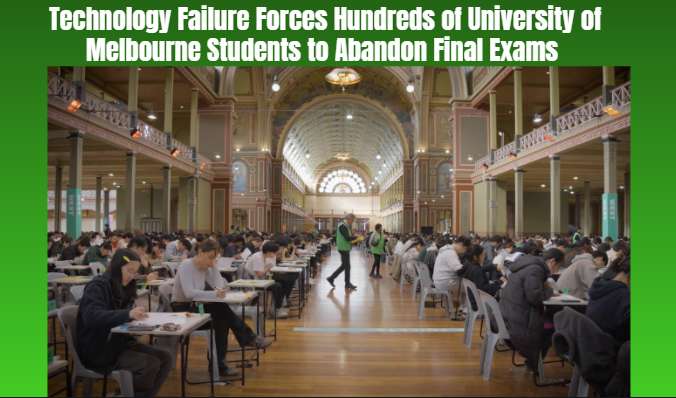
A digital examination platform failure disrupted final assessments in Melbourne, leaving hundreds of students unable to access their exams and forcing u...
A major Microsoft service disruption affected millions of users worldwide, interrupting email, workplace communication, healthcare administration and bu...
A new national online threat centre has opened to help identify dangerous extremist content, tackle online radicalisation and strengthen Australia's res...
New battery-powered trailer technology is attracting attention in Australia's transport industry, with the potential to reduce fuel consumption, operati...
Q fever is a bacterial disease that can spread from infected animals, particularly cattle, sheep and goats, to humans. People can become infected by breathing in contaminated du...
Airservices Australia has launched a new digital platform called the Flight Information Management System (FIMS), marking an important development in the management of Australia...
A 40-year-old woman is expected to face criminal charges following a fatal collision involving cyclists in Canberra’s north, Police say the woman will face two counts of culpabl...
ACT Policing has confirmed that 36-year-old Chyvonne Tint has been located safe and well after police appealed to the Canberra community for assistance earlier on Monday, 31 Aug...
More than 200 Australian Defence Force Academy participants took part in a 42-hour remembrance march, recognising fallen service members and supporting...
Prime Minister Anthony Albanese is meeting Philippine President Ferdinand Marcos Jr in Manila following a new defence cooperation agreement focused on m...
The ACT Government has released early designs for a major hospital expansion in Bruce, featuring new clinical facilities, additional beds, an emergency...
Public school teachers in the Australian Capital Territory have rejected another government offer, keeping concerns over classroom arrangements and teac...
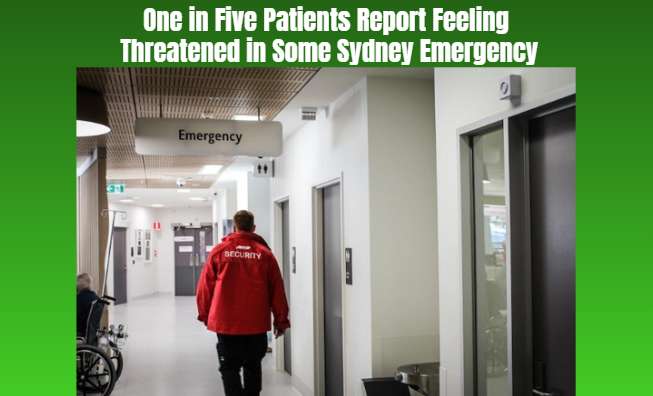
NSW patient survey findings highlight safety concerns in several major hospitals, as the state government commits additional security staff to emergency...
Police are investigating a daylight theft after three valuable trophies belonging to Australia's legendary racehorse were taken from an exhibition displ...
Operation Amarok 15 resulted in 1,594 charges, hundreds of apprehended domestic violence order breaches identified and dozens of firearms seized across...