Australia Imposes Sanctions on Two Alleged Iranian Agents Over Antisemitic Attacks
By Chloe · Published 27 Nov 2026 · Updated 27 Nov 2026
Canberra, ACT · ACT News
Safety note: Admin approval is an initial review, not a guarantee that every detail is correct. Check important or urgent claims with official sources and report anything inaccurate or unsafe.
Source and credit: Contributor's own report
Australia Imposes Sanctions on Two Alleged Iranian Agents Over Antisemitic Attacks - Canberra, ACT
Smart summary
The Australian Government has imposed counterterrorism-financing sanctions on two individuals accused of organising antisemitic attacks in Sydney and Melbourne on behalf of Iran.
The Australian Government has announced financial sanctions against two individuals accused of organising antisemitic attacks in Australia on behalf of Iran. The decision was announced on Friday, November 27, 2026, as part of the country's continuing efforts to address foreign interference and protect national security.
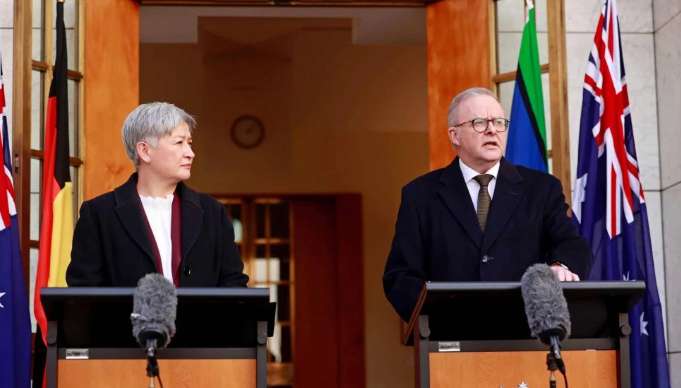
Foreign Minister Penny Wong confirmed that Australia had imposed counterterrorism-financing sanctions on Zohair Hassib and Kazem Hamad. Authorities allege that the two individuals organised attacks targeting Jewish sites in Sydney and Melbourne in 2024.
According to the Australian Government, the individuals allegedly used a complex network of intermediaries to arrange the attacks. Investigators believe this network was used to coordinate activities while concealing the involvement of those directing them.
One of the incidents involved an arson attack targeting a kosher restaurant in Sydney. The other involved the Adass Israel Synagogue in Melbourne. Both incidents raised serious concerns about antisemitism, community safety and the possibility of foreign interference in Australia's internal affairs.
The newly announced sanctions are intended to restrict the financial activities of the two individuals. Under counterterrorism-financing measures, designated individuals can face restrictions involving financial transactions, access to funds and the ability to use financial resources.
Foreign Minister Penny Wong said the measures were an important step towards disrupting the alleged activities of people connected with Iran's Islamic Revolutionary Guard Corps.
The government believes financial restrictions can make it more difficult for individuals to recruit others, organise operations and arrange further attacks.
The announcement follows earlier diplomatic action taken by Australia against Iran. In August 2025, the Australian Government ordered Iran's ambassador to leave the country. Australia also suspended operations at its embassy in Tehran and designated the Islamic Revolutionary Guard Corps as a terrorist organisation.
These developments marked a significant deterioration in diplomatic relations between the two countries.
Australian authorities have repeatedly expressed concerns about foreign governments using criminal networks or intermediaries to target people and organisations inside Australia.
The latest sanctions demonstrate that the government intends to use financial and legal measures alongside diplomatic action to respond to suspected foreign-directed activities.
The announcement is also significant for Jewish communities across Australia, particularly in Sydney and Melbourne, where the alleged attacks took place. Community organisations have continued to raise concerns about antisemitism and the safety of religious institutions.
The government says protecting Australians from politically or religiously motivated violence remains a national security priority.
Financial sanctions do not replace criminal investigations or court proceedings. They are designed to restrict access to financial resources and disrupt activities considered a threat to Australia's security.
Authorities may continue monitoring financial networks and examining whether additional individuals or organisations were involved in the alleged activities.
The latest announcement highlights Australia's broader efforts to prevent foreign interference, protect vulnerable communities and strengthen its counterterrorism-financing framework.
The allegations against the two sanctioned individuals are serious, and the government's measures reflect its assessment of their alleged involvement. The decision is part of Australia's continuing response to security threats and the protection of communities across the country.
FinancialIndividualsGovernmentActivitiesAttacks
The Australian Government has announced financial sanctions against two individuals accused of organising antisemitic attacks in Australia on behalf of Iran. The decision was announced on Friday, November 27, 2026, as part of the country's continuing efforts to address foreign interference and protect national security.
Foreign Minister Penny Wong confirmed that Australia had imposed counterterrorism-financing sanctions on Zohair Hassib and Kazem Hamad. Authorities allege that the two individuals organised attacks targeting Jewish sites in Sydney and Melbourne in 2024.
According to the Australian Government, the individuals allegedly used a complex network of intermediaries to arrange the attacks. Investigators believe this network was used to coordinate activities while concealing the involvement of those directing them.
One of the incidents involved an arson attack targeting a kosher restaurant in Sydney. The other involved the Adass Israel Synagogue in Melbourne. Both incidents raised serious concerns about antisemitism, community safety and the possibility of foreign interference in Australia's internal affairs.
The newly announced sanctions are intended to restrict the financial activities of the two individuals. Under counterterrorism-financing measures, designated individuals can face restrictions involving financial transactions, access to funds and the ability to use financial resources.
Foreign Minister Penny Wong said the measures were an important step towards disrupting the alleged activities of people connected with Iran's Islamic Revolutionary Guard Corps.
The government believes financial restrictions can make it more difficult for individuals to recruit others, organise operations and arrange further attacks.
The announcement follows earlier diplomatic action taken by Australia against Iran. In August 2025, the Australian Government ordered Iran's ambassador to leave the country. Australia also suspended operations at its embassy in Tehran and designated the Islamic Revolutionary Guard Corps as a terrorist organisation.
These developments marked a significant deterioration in diplomatic relations between the two countries.
Australian authorities have repeatedly expressed concerns about foreign governments using criminal networks or intermediaries to target people and organisations inside Australia.
The latest sanctions demonstrate that the government intends to use financial and legal measures alongside diplomatic action to respond to suspected foreign-directed activities.
The announcement is also significant for Jewish communities across Australia, particularly in Sydney and Melbourne, where the alleged attacks took place. Community organisations have continued to raise concerns about antisemitism and the safety of religious institutions.
The government says protecting Australians from politically or religiously motivated violence remains a national security priority.
Financial sanctions do not replace criminal investigations or court proceedings. They are designed to restrict access to financial resources and disrupt activities considered a threat to Australia's security.
Authorities may continue monitoring financial networks and examining whether additional individuals or organisations were involved in the alleged activities.
The latest announcement highlights Australia's broader efforts to prevent foreign interference, protect vulnerable communities and strengthen its counterterrorism-financing framework.
The allegations against the two sanctioned individuals are serious, and the government's measures reflect its assessment of their alleged involvement. The decision is part of Australia's continuing response to security threats and the protection of communities across the country.
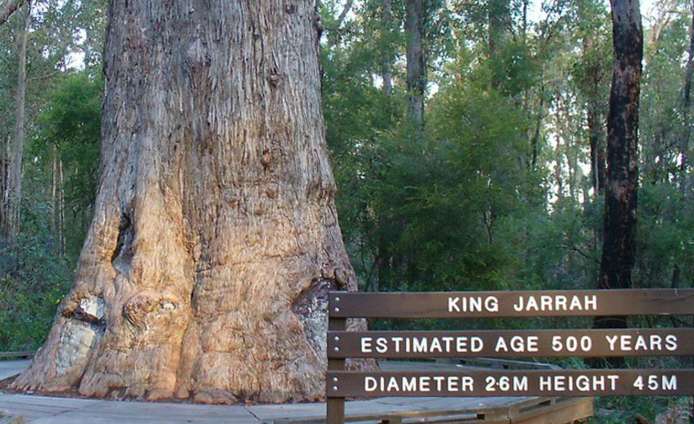
A landmark jarrah tree in Wellington National Park has been cut with a chainsaw near its base, prompting a police investigation and fears that the ancie...
Victoria's Labour Hire Authority has uncovered alleged worker exploitation on three farms near Bairnsdale, with workers reportedly receiving up to 35 pe...
Western Australian police are investigating the death of a Perth father who died in hospital following an alleged assault at a playground earlier this m...
A new specialist police team based in Rockhampton will target serious organised crime, drug trafficking and money laundering across Mackay, Gladstone an...
The Albanese government has passed legislation to reserve Australian gas for domestic use, aiming to improve supply security and put downward pressure o...
Prime Minister Anthony Albanese and Solomon Islands Prime Minister Matthew Wale sign a major agreement strengthening regional security, policing, educat...
Australia's competition regulator approves a major hospital acquisition, potentially reshaping private healthcare services across several states and ter...
Uncovered an Iran-based influence operation that allegedly used artificial intelligence to create a fake journalist and publish misleading articles and...
Renewable energy company Vestas has removed a 120-metre wind-monitoring tower from a proposed wind farm site on the Western Downs after local pilots rep...
Tasmania's government expects to continue building the Macquarie Point stadium even if it cannot secure additional money from the federal government or...
A landmark jarrah tree in Wellington National Park has been cut with a chainsaw near its base, prompting a police investigation and fears that the ancie...
Victoria's Labour Hire Authority has uncovered alleged worker exploitation on three farms near Bairnsdale, with workers reportedly receiving up to 35 pe...