Child Safety Workers Failed to Recognise Coercive Control Before Girl’s Death, Inquest Hears
By Chloe · Published 21 Oct 2026 · Updated 21 Oct 2026
Brisbane, QLD · Queensland News
Safety note: Admin approval is an initial review, not a guarantee that every detail is correct. Check important or urgent claims with official sources and report anything inaccurate or unsafe.
Source and credit: Contributor's own report
Child Safety Workers Failed to Recognise Coercive Control Before Girl’s Death, Inquest Hears - Brisbane, QLD
Smart summary
A Queensland inquest has heard that child safety workers failed to recognise the influence of coercive control and extreme religious beliefs on a family before eight-year-old Elizabeth Struhs died after her life-savin...
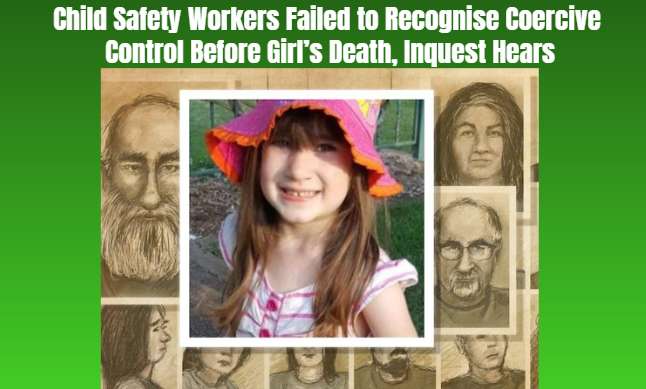
A Queensland coronial inquest has heard evidence that child safety workers did not adequately identify the coercive control affecting Jason Struhs, the father of Elizabeth Struhs, whose death in January 2022 prompted a criminal investigation and convictions for manslaughter.
Elizabeth died at her family home in Toowoomba after her insulin treatment for type 1 diabetes was stopped. Her parents, Jason and Kerrie Struhs, and other members of a fringe religious group were subsequently found guilty of manslaughter. The ongoing inquest is examining whether government agencies could have done more to protect the child before her death.
What did the inquest hear? On Wednesday, a child safety worker gave evidence about mistakes in Elizabeth's initial risk assessment and the plan developed to protect her.
The witness told Brisbane Coroners Court that authorities had focused too narrowly on Elizabeth's diabetes management. They had not adequately recognised the power imbalance between her parents or the risks associated with Kerrie Struhs's beliefs about medical treatment.
The witness said the department had failed to identify domestic and family violence in the form of coercive control as a separate concern. She also said the risks posed by the mother's refusal to accept medical intervention should have been recognised more clearly.
The evidence raised questions about whether officials had fully considered how the family's religious beliefs could affect Jason Struhs's ability to continue providing his daughter with essential treatment.
Earlier warnings about Elizabeth's health The inquest heard that child safety services became involved in 2019 after Elizabeth was taken to hospital in a critically unwell state. She was diagnosed with type 1 diabetes, a condition requiring ongoing insulin treatment.
At that time, Jason Struhs had taken his daughter to hospital despite his wife's opposition to medical treatment. An intervention agreement required him to continue administering insulin and stated that Kerrie Struhs would not interfere with her daughter's care.
However, the inquest heard that Jason later converted to the same religious group as his wife. Members of the group rejected conventional medical intervention and believed Elizabeth would be healed through faith.
The child safety witness described this change as a significant development that complicated the assessment of Elizabeth's safety.
Questions about the protection system Queensland Child and Family Commissioner Luke Twyford told the inquest that assessing a parent's willingness to care for a child was not enough. Authorities also needed to assess whether the parent had the ability to provide safe care in the circumstances.
The evidence highlighted the importance of recognising coercive control, identifying risks linked to a child's medical needs and ensuring agencies share relevant information.
The inquest continues to examine the actions of government departments and whether different decisions could have prevented Elizabeth's death. Its findings may help identify improvements in child protection assessments and coordination between agencies.
ChildElizabethInquestStruhsSafety
A Queensland coronial inquest has heard evidence that child safety workers did not adequately identify the coercive control affecting Jason Struhs, the father of Elizabeth Struhs, whose death in January 2022 prompted a criminal investigation and convictions for manslaughter.
Elizabeth died at her family home in Toowoomba after her insulin treatment for type 1 diabetes was stopped. Her parents, Jason and Kerrie Struhs, and other members of a fringe religious group were subsequently found guilty of manslaughter. The ongoing inquest is examining whether government agencies could have done more to protect the child before her death.
What did the inquest hear? On Wednesday, a child safety worker gave evidence about mistakes in Elizabeth's initial risk assessment and the plan developed to protect her.
The witness told Brisbane Coroners Court that authorities had focused too narrowly on Elizabeth's diabetes management. They had not adequately recognised the power imbalance between her parents or the risks associated with Kerrie Struhs's beliefs about medical treatment.
The witness said the department had failed to identify domestic and family violence in the form of coercive control as a separate concern. She also said the risks posed by the mother's refusal to accept medical intervention should have been recognised more clearly.
The evidence raised questions about whether officials had fully considered how the family's religious beliefs could affect Jason Struhs's ability to continue providing his daughter with essential treatment.
Earlier warnings about Elizabeth's health The inquest heard that child safety services became involved in 2019 after Elizabeth was taken to hospital in a critically unwell state. She was diagnosed with type 1 diabetes, a condition requiring ongoing insulin treatment.
At that time, Jason Struhs had taken his daughter to hospital despite his wife's opposition to medical treatment. An intervention agreement required him to continue administering insulin and stated that Kerrie Struhs would not interfere with her daughter's care.
However, the inquest heard that Jason later converted to the same religious group as his wife. Members of the group rejected conventional medical intervention and believed Elizabeth would be healed through faith.
The child safety witness described this change as a significant development that complicated the assessment of Elizabeth's safety.
Questions about the protection system Queensland Child and Family Commissioner Luke Twyford told the inquest that assessing a parent's willingness to care for a child was not enough. Authorities also needed to assess whether the parent had the ability to provide safe care in the circumstances.
The evidence highlighted the importance of recognising coercive control, identifying risks linked to a child's medical needs and ensuring agencies share relevant information.
The inquest continues to examine the actions of government departments and whether different decisions could have prevented Elizabeth's death. Its findings may help identify improvements in child protection assessments and coordination between agencies.
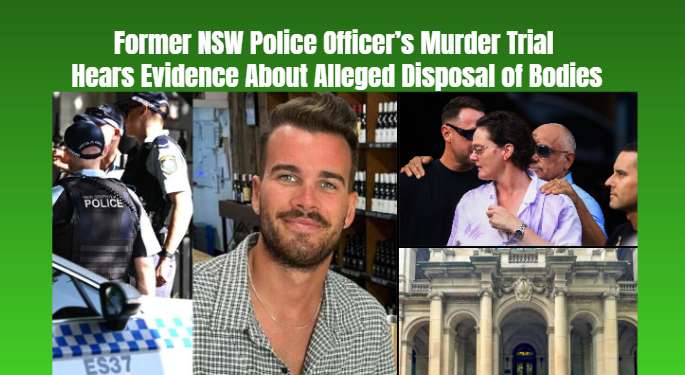
A court has heard evidence from a friend of former police officer Beau Lamarre-Condon during his trial over the alleged murders of Jesse Baird and Luke...
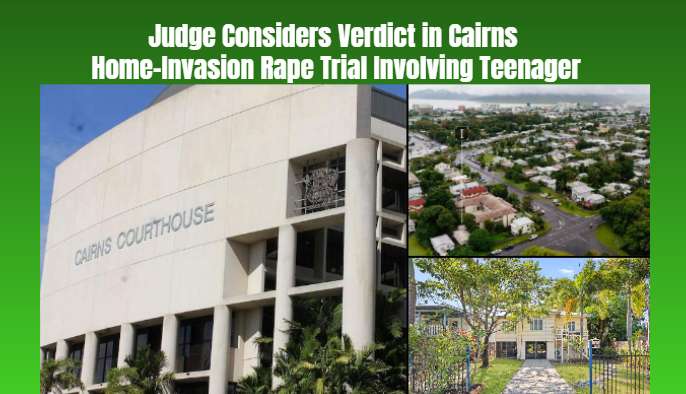
A Queensland judge is considering whether a teenager who allegedly held a man at knifepoint during a home invasion is criminally responsible for rapes c...
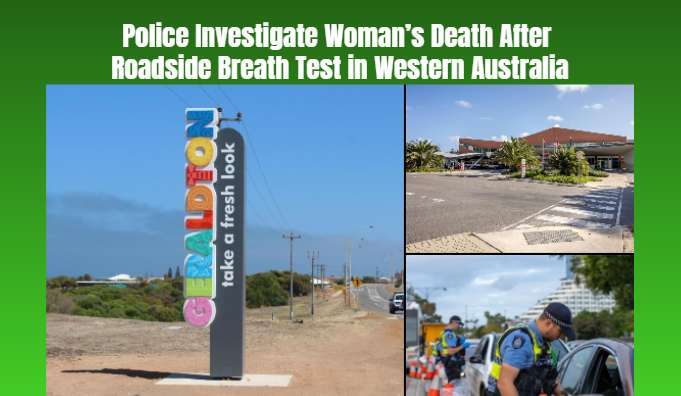
A woman in her 50s died in hospital after experiencing a medical emergency shortly after a roadside breath test in Mount Tarcoola. Western Australia Pol...
Police arrested a 56-year-old man after an alleged disturbance at state MP Hannah Beazley’s electorate office in Victoria Park, Perth. Officers said the...
A Queensland judge is considering whether a teenager who allegedly held a man at knifepoint during a home invasion is criminally responsible for rapes c...
Queensland Corrective Services is reviewing an incident after an Indigenous woman in custody was allegedly restrained in hospital following a caesarean...
A 66-year-old woman has been charged after allegedly verbally harassing a group of people and attempting to remove a teenage girl's hijab at a Brisbane...
A court has heard evidence from a friend of former police officer Beau Lamarre-Condon during his trial over the alleged murders of Jesse Baird and Luke...
A Queensland judge is considering whether a teenager who allegedly held a man at knifepoint during a home invasion is criminally responsible for rapes c...
Queensland Corrective Services is reviewing an incident after an Indigenous woman in custody was allegedly restrained in hospital following a caesarean...
A woman in her 50s died in hospital after experiencing a medical emergency shortly after a roadside breath test in Mount Tarcoola. Western Australia Pol...