Queensland Investigates Alleged Shackling of Indigenous Mother After Caesarean Birth
By Chloe · Published 21 Oct 2026 · Updated 21 Oct 2026
Townsville, QLD · Queensland News
Safety note: Admin approval is an initial review, not a guarantee that every detail is correct. Check important or urgent claims with official sources and report anything inaccurate or unsafe.
Source and credit: Contributor's own report
Queensland Investigates Alleged Shackling of Indigenous Mother After Caesarean Birth - Townsville, QLD
Smart summary
Queensland Corrective Services is reviewing an incident after an Indigenous woman in custody was allegedly restrained in hospital following a caesarean birth, while her newborn was receiving specialist care.
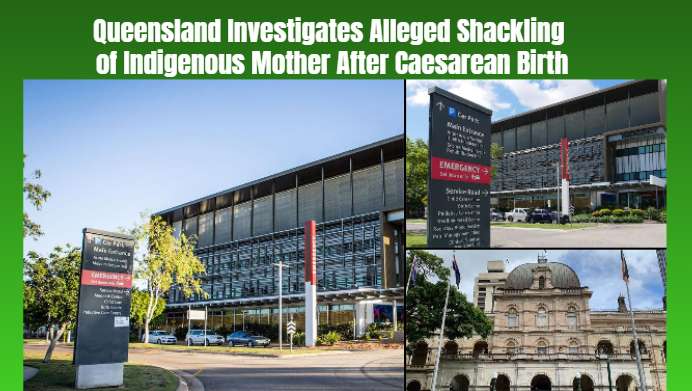
Queensland authorities are investigating an incident involving an Indigenous woman who was allegedly restrained by prison officers after giving birth at Townsville Hospital in North Queensland.
The woman underwent a caesarean section on 10 October 2026 while in custody. According to the ABC, prison officers allegedly restrained her in the maternity unit after the delivery, while her newborn baby was taken to the neonatal intensive care unit.
Nurses and midwives involved in her care raised concerns with Queensland Corrective Services (QCS), prompting a review of how the woman was managed during her hospital stay.
What happened at Townsville Hospital? The reported incident took place after the woman had delivered her baby surgically. The ABC reported that she was not restrained during labour or the operation itself, but was allegedly shackled after the birth.
The baby required care in the neonatal intensive care unit, meaning mother and child were separated during this period. The circumstances of the separation and the use of restraints have raised concerns among healthcare workers and advocates about the treatment of women in custody during the period immediately following childbirth.
QCS confirmed that it was reviewing the woman's management. A departmental spokesperson said restraints on pregnant prisoners should be used only as a last resort.
Government response Queensland Corrective Services Minister Laura Gerber said she had been briefed on the incident. She stated that a pregnant woman could only be restrained as a last resort due to public-safety considerations.
The department's review is expected to examine the circumstances in which the restraints were used and whether the decisions complied with applicable procedures.
The ABC report did not establish that any officer had been found to have breached policy. The review is an investigation into the circumstances, not a final finding of misconduct. Nurses and advocates call for change The Queensland Nurses and Midwives' Union criticised the use of restraints during childbirth and the period immediately afterwards. Assistant secretary Fridae King argued that restraints can be traumatising and may interfere with appropriate care.
Townsville-based women's advocate Tahlia Isaac also questioned how the phrase “last resort” was interpreted in practice. She said decisions could depend heavily on individual officers' assessments and called for stronger protections for women in custody.
Advocates argue that the period following childbirth is particularly important for physical recovery, emotional wellbeing and early bonding between a mother and her baby. Wider debate about prison policy The incident comes amid renewed debate about whether pregnant women and new mothers in custody should be protected from restraints during labour, childbirth and the immediate postnatal period.
Queensland MP Jonty Bush launched a petition calling for a prohibition on restraints in these circumstances. Separately, a bill seeking to prohibit shackling during childbirth was rejected in the Australian Senate the previous week.
The case has renewed questions about balancing legitimate security concerns with medical needs, dignity and the rights of women and newborns. What happens next? Queensland Corrective Services is reviewing the incident. Further details about its findings or any resulting policy changes had not been announced in the ABC report.
The outcome may contribute to wider discussions about hospital security procedures for prisoners and safeguards for pregnant women and new mothers in custody.
QueenslandDuringRestraintsWomanWomen
Queensland authorities are investigating an incident involving an Indigenous woman who was allegedly restrained by prison officers after giving birth at Townsville Hospital in North Queensland.
The woman underwent a caesarean section on 10 October 2026 while in custody. According to the ABC, prison officers allegedly restrained her in the maternity unit after the delivery, while her newborn baby was taken to the neonatal intensive care unit.
Nurses and midwives involved in her care raised concerns with Queensland Corrective Services (QCS), prompting a review of how the woman was managed during her hospital stay.
What happened at Townsville Hospital? The reported incident took place after the woman had delivered her baby surgically. The ABC reported that she was not restrained during labour or the operation itself, but was allegedly shackled after the birth.
The baby required care in the neonatal intensive care unit, meaning mother and child were separated during this period. The circumstances of the separation and the use of restraints have raised concerns among healthcare workers and advocates about the treatment of women in custody during the period immediately following childbirth.
QCS confirmed that it was reviewing the woman's management. A departmental spokesperson said restraints on pregnant prisoners should be used only as a last resort.
Government response Queensland Corrective Services Minister Laura Gerber said she had been briefed on the incident. She stated that a pregnant woman could only be restrained as a last resort due to public-safety considerations.
The department's review is expected to examine the circumstances in which the restraints were used and whether the decisions complied with applicable procedures.
The ABC report did not establish that any officer had been found to have breached policy. The review is an investigation into the circumstances, not a final finding of misconduct. Nurses and advocates call for change The Queensland Nurses and Midwives' Union criticised the use of restraints during childbirth and the period immediately afterwards. Assistant secretary Fridae King argued that restraints can be traumatising and may interfere with appropriate care.
Townsville-based women's advocate Tahlia Isaac also questioned how the phrase “last resort” was interpreted in practice. She said decisions could depend heavily on individual officers' assessments and called for stronger protections for women in custody.
Advocates argue that the period following childbirth is particularly important for physical recovery, emotional wellbeing and early bonding between a mother and her baby. Wider debate about prison policy The incident comes amid renewed debate about whether pregnant women and new mothers in custody should be protected from restraints during labour, childbirth and the immediate postnatal period.
Queensland MP Jonty Bush launched a petition calling for a prohibition on restraints in these circumstances. Separately, a bill seeking to prohibit shackling during childbirth was rejected in the Australian Senate the previous week.
The case has renewed questions about balancing legitimate security concerns with medical needs, dignity and the rights of women and newborns. What happens next? Queensland Corrective Services is reviewing the incident. Further details about its findings or any resulting policy changes had not been announced in the ABC report.
The outcome may contribute to wider discussions about hospital security procedures for prisoners and safeguards for pregnant women and new mothers in custody.
A community-based storytelling initiative in Mount Druitt is using culture, stories and reading activities to help children strengthen their literacy sk...
Unusually wet conditions in Central Australia have helped butterfly numbers increase, prompting thousands of caper white butterflies to migrate south to...
A new report warns that ageing facilities, staff shortages and fragmented funding threaten swimming pools that provide essential recreation and water-sa...
Restoration work on bushland damaged during the controversial Roe 8 road project is reportedly progressing better than expected, nearly a decade after v...
A Queensland judge is considering whether a teenager who allegedly held a man at knifepoint during a home invasion is criminally responsible for rapes c...
A Queensland inquest has heard that child safety workers failed to recognise the influence of coercive control and extreme religious beliefs on a family...
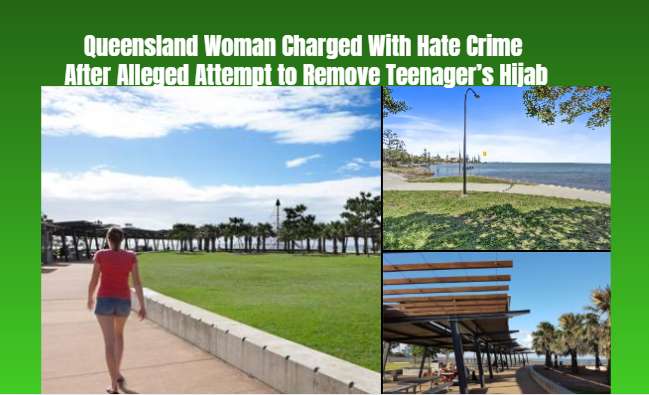
A 66-year-old woman has been charged after allegedly verbally harassing a group of people and attempting to remove a teenage girl's hijab at a Brisbane...
A court has heard evidence from a friend of former police officer Beau Lamarre-Condon during his trial over the alleged murders of Jesse Baird and Luke...
A Queensland judge is considering whether a teenager who allegedly held a man at knifepoint during a home invasion is criminally responsible for rapes c...
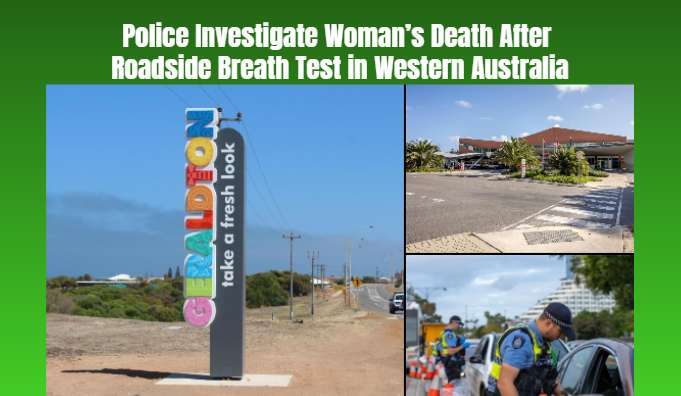
A woman in her 50s died in hospital after experiencing a medical emergency shortly after a roadside breath test in Mount Tarcoola. Western Australia Pol...
Police arrested a 56-year-old man after an alleged disturbance at state MP Hannah Beazley’s electorate office in Victoria Park, Perth. Officers said the...