Roe 8 Bushland Restoration Exceeds Expectations After Controversial Road Project
By Chloe · Published 20 Oct 2026 · Updated 20 Oct 2026
Perth, WA · Western Australia News
Safety note: Admin approval is an initial review, not a guarantee that every detail is correct. Check important or urgent claims with official sources and report anything inaccurate or unsafe.
Source and credit: Contributor's own report
Roe 8 Bushland Restoration Exceeds Expectations After Controversial Road Project - Perth, WA
Smart summary
Restoration work on bushland damaged during the controversial Roe 8 road project is reportedly progressing better than expected, nearly a decade after vegetation was cleared for a highway extension that was never comp...
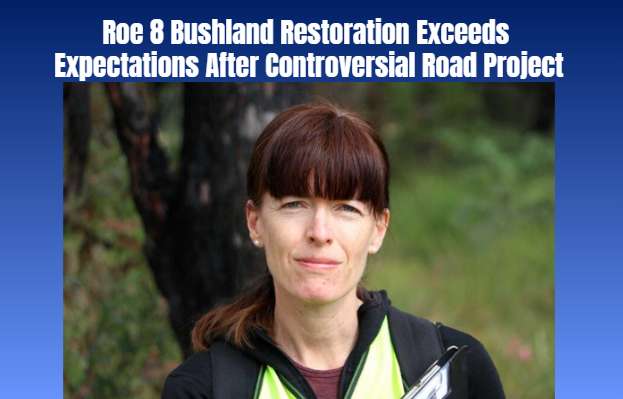
Environmental restoration work on land affected by the Roe 8 highway project in Perth is reportedly exceeding expectations, according to an ABC News report published on 20 October 2026. The update has renewed attention on the long-running debate over road infrastructure, native vegetation and the protection of environmentally sensitive areas in Western Australia.
Roe 8 was planned as an extension of the Roe Highway through the Beeliar wetlands area in Perth's southern suburbs. The proposal became controversial because construction required the clearing of bushland that provides habitat for native wildlife and supports local ecological systems.
Although vegetation was cleared in preparation for the road project, the proposed extension was never completed. The cleared land subsequently became the focus of rehabilitation efforts aimed at restoring native vegetation and improving the condition of the affected environment.
The latest report indicates that restoration outcomes have been better than anticipated. Rehabilitation work can include re-establishing native plants, managing invasive weeds, improving soil conditions and monitoring the return of habitat for local wildlife. These activities are important because disturbed land may take years to recover, particularly when native vegetation has been removed and soil conditions have changed.
Bushland restoration is not simply a matter of planting trees. Successful rehabilitation requires selecting species suited to local conditions, protecting young plants, managing competing vegetation and monitoring whether ecological communities are becoming established. The recovery of habitat also depends on factors such as rainfall, fire management and the availability of nearby areas from which native plants and animals can return.
The Roe 8 controversy has remained significant in Western Australian public debate because it illustrates the competing priorities involved in major infrastructure decisions. Supporters of the road proposal argued that additional transport links could improve connectivity and reduce pressure on existing routes. Opponents raised concerns about the destruction of wetlands and bushland, arguing that environmental damage would be difficult to reverse.
The restoration work provides an opportunity to assess what can be achieved when previously disturbed land is managed for conservation. However, encouraging early results do not necessarily mean that the original ecosystem has been fully restored. Re-establishing the diversity and ecological functions of mature bushland can take many years, and long-term monitoring remains important.
For Perth residents, the issue also highlights the importance of urban green spaces. Native bushland can provide habitat for birds, reptiles and other wildlife, help protect soil and contribute to the environmental quality of surrounding neighbourhoods.
The latest findings may inform future discussions about how governments plan infrastructure projects and manage land after construction is abandoned or significantly changed. Environmental rehabilitation can reduce some impacts, but preventing unnecessary damage in the first place remains an important consideration in planning decisions.
The next stage will involve continued monitoring to determine how well the restored areas develop over time. Scientists, conservation groups and the wider community will be interested in whether the early progress translates into lasting ecological recovery.
NativeBushlandLandRestorationVegetation
Environmental restoration work on land affected by the Roe 8 highway project in Perth is reportedly exceeding expectations, according to an ABC News report published on 20 October 2026. The update has renewed attention on the long-running debate over road infrastructure, native vegetation and the protection of environmentally sensitive areas in Western Australia.
Roe 8 was planned as an extension of the Roe Highway through the Beeliar wetlands area in Perth's southern suburbs. The proposal became controversial because construction required the clearing of bushland that provides habitat for native wildlife and supports local ecological systems.
Although vegetation was cleared in preparation for the road project, the proposed extension was never completed. The cleared land subsequently became the focus of rehabilitation efforts aimed at restoring native vegetation and improving the condition of the affected environment.
The latest report indicates that restoration outcomes have been better than anticipated. Rehabilitation work can include re-establishing native plants, managing invasive weeds, improving soil conditions and monitoring the return of habitat for local wildlife. These activities are important because disturbed land may take years to recover, particularly when native vegetation has been removed and soil conditions have changed.
Bushland restoration is not simply a matter of planting trees. Successful rehabilitation requires selecting species suited to local conditions, protecting young plants, managing competing vegetation and monitoring whether ecological communities are becoming established. The recovery of habitat also depends on factors such as rainfall, fire management and the availability of nearby areas from which native plants and animals can return.
The Roe 8 controversy has remained significant in Western Australian public debate because it illustrates the competing priorities involved in major infrastructure decisions. Supporters of the road proposal argued that additional transport links could improve connectivity and reduce pressure on existing routes. Opponents raised concerns about the destruction of wetlands and bushland, arguing that environmental damage would be difficult to reverse.
The restoration work provides an opportunity to assess what can be achieved when previously disturbed land is managed for conservation. However, encouraging early results do not necessarily mean that the original ecosystem has been fully restored. Re-establishing the diversity and ecological functions of mature bushland can take many years, and long-term monitoring remains important.
For Perth residents, the issue also highlights the importance of urban green spaces. Native bushland can provide habitat for birds, reptiles and other wildlife, help protect soil and contribute to the environmental quality of surrounding neighbourhoods.
The latest findings may inform future discussions about how governments plan infrastructure projects and manage land after construction is abandoned or significantly changed. Environmental rehabilitation can reduce some impacts, but preventing unnecessary damage in the first place remains an important consideration in planning decisions.
The next stage will involve continued monitoring to determine how well the restored areas develop over time. Scientists, conservation groups and the wider community will be interested in whether the early progress translates into lasting ecological recovery.
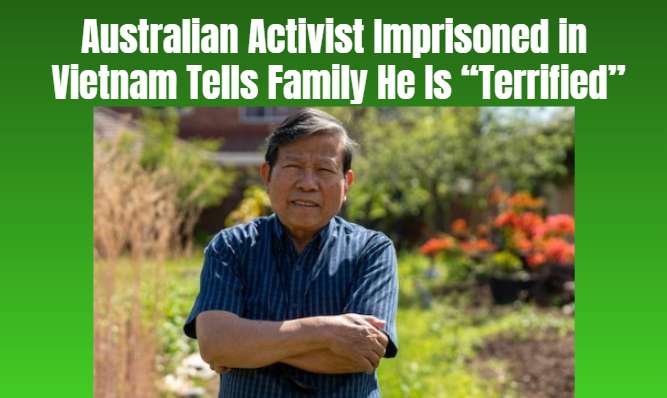
An Australian activist detained in Vietnam has reportedly told his family that he is frightened, renewing concerns about his welfare and circumstances i...
Australian chickpea prices have climbed from around $600 to nearly $1,000 per tonne in some regions, as overseas buyers rush to secure supplies ahead of...
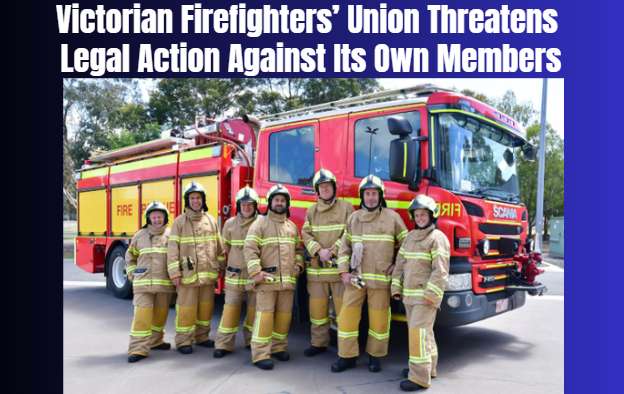
The United Firefighters Union’s Victorian branch is pursuing unpaid $644 levies from members to help cover legal expenses, sparking criticism from some...
Ten public schools will trial restrictions on classroom screen time for younger students from Term 1, 2027, as the state looks to strengthen face-to-fac...
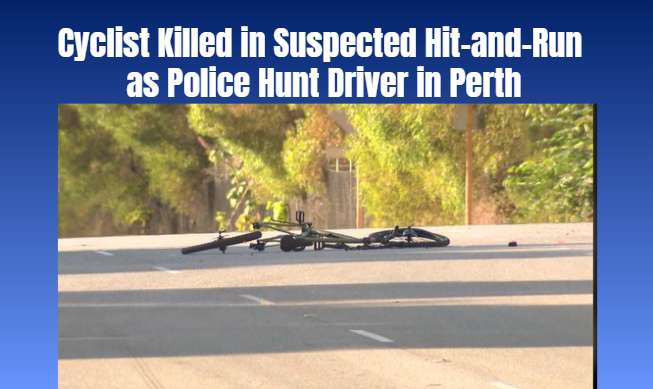
A 40-year-old cyclist has died after being struck by an unidentified vehicle on North Lake Road in Bibra Lake early Tuesday morning. The driver failed t...
Australian Greens leader David Shoebridge says Senator Jordon Steele-John should take personal leave while an independent investigation examines allegat...
A teenager has been charged after multiple shots were fired at a house in Perth’s eastern suburbs. Three people were inside the property, but no injurie...
The celebrated novel tops ABC Radio National’s Top 100 Australian Books poll after more than 280,000 votes, reaffirming its place in the country’s liter...
A Victorian coroner has criticised betting company Sportsbet after examining the case of a young man who wagered hundreds of thousands of dollars before...
Victoria's teaching regulator has carried out unannounced inspections at two Fitzroy Community School campuses as investigations into child-safety conce...