Collingwood AFLW Captain Ruby Schleicher to Leave at Season’s End
By Chloe · Published 20 Oct 2026 · Updated 20 Oct 2026
Melbourne, VIC · Victoria News
Safety note: Admin approval is an initial review, not a guarantee that every detail is correct. Check important or urgent claims with official sources and report anything inaccurate or unsafe.
Source and credit: Contributor's own report
Collingwood AFLW Captain Ruby Schleicher to Leave at Season’s End - Melbourne, VIC
Smart summary
Collingwood captain Ruby Schleicher has announced she will leave the club and return to Western Australia after the 2026 AFL Women’s season.
Collingwood’s AFL Women’s team is preparing for a significant change in leadership after captain Ruby Schleicher confirmed that she will leave the club at the end of the 2026 season and return to her home state of Western Australia.
Schleicher, 28, has been part of Collingwood’s AFLW program since its inaugural season in 2017. During her time with the Magpies, she became an important member of the team, initially establishing herself as a defender before taking on a greater midfield and forward role. She has played 82 games for the club and was appointed captain in 2025.
Her departure comes after a difficult campaign for Collingwood. The club has struggled to secure victories during the 2026 season, adding pressure as it looks to improve its performances and build a more competitive team for the future.
Schleicher’s decision also follows a serious shoulder injury sustained during Collingwood’s Round 9 loss to St Kilda. The injury ended her season early, meaning she has already played her final game in the black-and-white jumper. Despite the disappointing circumstances, her departure marks the end of a decade-long association with the club.
The midfielder-turned-forward has earned recognition throughout her career, including two All-Australian selections. Her experience and leadership have made her an influential figure within the team, and replacing her will be an important task for Collingwood’s football department.
Schleicher said the decision was difficult but ultimately right for her personal life and career. She also expressed gratitude for the club and the people who had supported her throughout her time in Melbourne. She indicated that she would continue to support Collingwood even after moving on.
The West Coast Eagles are reportedly interested in securing her services, with reports indicating that a multi-year contract has been offered. However, the final arrangements for her move remain subject to the relevant player-movement process.
For West Coast, bringing in an experienced leader could help strengthen its AFLW squad and provide valuable guidance to younger players. For Collingwood, the challenge will be to manage the transition while continuing its efforts to rebuild the team.
Schleicher’s exit also comes at a time when the club faces broader questions about its AFLW program and its results. The remaining matches will provide an opportunity for Collingwood to finish the season strongly and begin preparing for 2027.
Although the move brings an end to an important chapter in her career, Schleicher’s return to Western Australia offers the possibility of a fresh start closer to home. Her next club and role will be closely watched as the AFLW player-movement period develops.
CollingwoodClubSchleicherSeasonAflw
Collingwood’s AFL Women’s team is preparing for a significant change in leadership after captain Ruby Schleicher confirmed that she will leave the club at the end of the 2026 season and return to her home state of Western Australia.
Schleicher, 28, has been part of Collingwood’s AFLW program since its inaugural season in 2017. During her time with the Magpies, she became an important member of the team, initially establishing herself as a defender before taking on a greater midfield and forward role. She has played 82 games for the club and was appointed captain in 2025.
Her departure comes after a difficult campaign for Collingwood. The club has struggled to secure victories during the 2026 season, adding pressure as it looks to improve its performances and build a more competitive team for the future.
Schleicher’s decision also follows a serious shoulder injury sustained during Collingwood’s Round 9 loss to St Kilda. The injury ended her season early, meaning she has already played her final game in the black-and-white jumper. Despite the disappointing circumstances, her departure marks the end of a decade-long association with the club.
The midfielder-turned-forward has earned recognition throughout her career, including two All-Australian selections. Her experience and leadership have made her an influential figure within the team, and replacing her will be an important task for Collingwood’s football department.
Schleicher said the decision was difficult but ultimately right for her personal life and career. She also expressed gratitude for the club and the people who had supported her throughout her time in Melbourne. She indicated that she would continue to support Collingwood even after moving on.
The West Coast Eagles are reportedly interested in securing her services, with reports indicating that a multi-year contract has been offered. However, the final arrangements for her move remain subject to the relevant player-movement process.
For West Coast, bringing in an experienced leader could help strengthen its AFLW squad and provide valuable guidance to younger players. For Collingwood, the challenge will be to manage the transition while continuing its efforts to rebuild the team.
Schleicher’s exit also comes at a time when the club faces broader questions about its AFLW program and its results. The remaining matches will provide an opportunity for Collingwood to finish the season strongly and begin preparing for 2027.
Although the move brings an end to an important chapter in her career, Schleicher’s return to Western Australia offers the possibility of a fresh start closer to home. Her next club and role will be closely watched as the AFLW player-movement period develops.
St Kilda player Charlie Banfield was involved in an accident on private property in Western Australia earlier this month, when a car he was driving acci...
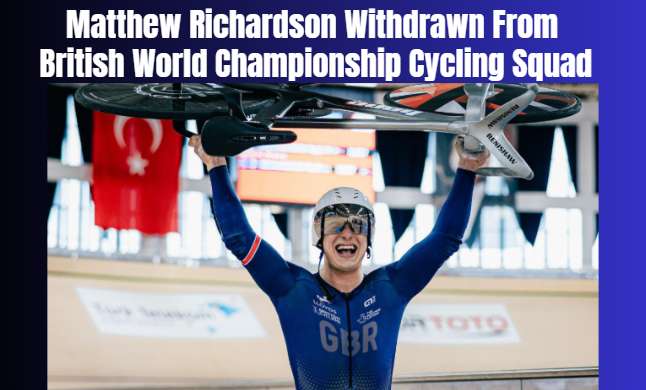
The Olympic medallist has been removed from Great Britain’s team for the 2026 UCI Track Cycling World Championships in Shanghai. Reports have linked the...
Brisbane runner Nick Morrison completed the 42.2-kilometre Melbourne Marathon while pushing his 21-year-old cousin Toby Holt, who lives with juvenile Hu...
Victoria's teaching regulator has carried out unannounced inspections at two Fitzroy Community School campuses as investigations into child-safety conce...
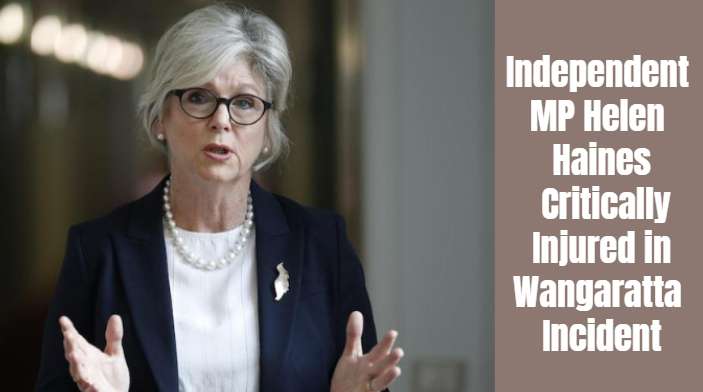
Independent MP Helen Haines remains in critical condition following an alleged deliberate vehicle attack outside her electorate office in regional Victo...
Victoria Police have arrested a man after federal independent MP Helen Haines was struck by a vehicle outside her electorate office in regional Victoria...
A Victorian coroner has criticised betting company Sportsbet after examining the case of a young man who wagered hundreds of thousands of dollars before...
Victoria's teaching regulator has carried out unannounced inspections at two Fitzroy Community School campuses as investigations into child-safety conce...