Australian Chickpea Prices Surge Towards $1,000 per Tonne
By Neha · Published 17 Oct 2026 · Updated 17 Oct 2026
Julia Creek, Nsw
Safety note: Admin approval is an initial review, not a guarantee that every detail is correct. Check important or urgent claims with official sources and report anything inaccurate or unsafe.
Source and credit: Contributor's own report
Australian Chickpea Prices Surge Towards $1,000 per Tonne - Julia Creek, Nsw
Smart summary
Australian chickpea prices have climbed from around $600 to nearly $1,000 per tonne in some regions, as overseas buyers rush to secure supplies ahead of Ramadan and a smaller crop is forecast.
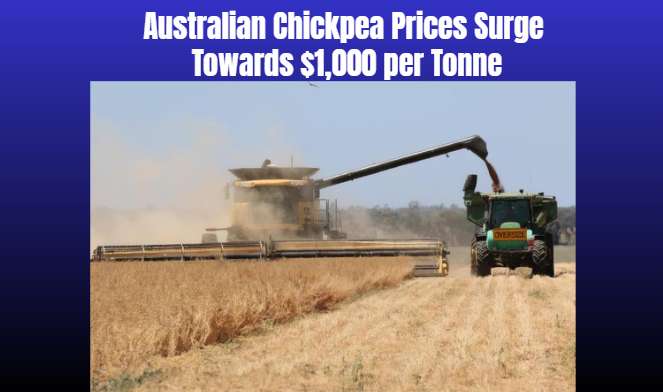
Australian chickpea prices have surged towards $1,000 per tonne in some regions, providing a welcome boost for growers while highlighting concerns about the country's expected harvest this season.
The market rally represents a significant increase from earlier in 2026, when chickpeas were trading closer to $600 per tonne. The stronger prices reflect a combination of international demand, uncertainty affecting supply chains and expectations of a smaller Australian crop.
Peter Wilson, chair of the Grains Australia Pulse Council, described the price level as a significant result for growers. Farmers who have harvested a reasonable crop and retained some produce to sell at current prices may benefit considerably from the increase.
Why are chickpea prices rising? One important factor is demand from overseas buyers seeking to secure supplies ahead of Ramadan, which is expected to begin in early February 2027. Chickpeas are a widely used ingredient in many South Asian and Middle Eastern cuisines, including dishes such as curries, snacks and hummus.
Importers in markets including Pakistan, Bangladesh and the United Arab Emirates are looking to arrange shipments in advance so supplies arrive before demand increases. This urgency has added pressure to the market as buyers compete to secure available Australian produce.
Global logistics and supply-chain uncertainty have also contributed to the market's volatility. Meanwhile, lower-than-average monsoon rainfall in parts of India has reportedly pushed up local chickpea prices, adding to international demand for supplies.
Smaller Australian harvest expected The outlook for Australia's next chickpea crop is another major factor. The Australian Bureau of Agricultural and Resource Economics and Sciences has forecast production to fall by 52 per cent in the 2026–27 season, to just over one million tonnes.
The expected decline reflects reduced planting areas and lower anticipated yields in major growing regions of northern New South Wales and Queensland. Some industry observers believe the final crop could be smaller than the current forecast, although the eventual outcome will depend on growing conditions and harvest results. What does this mean for farmers?
For growers who still have chickpeas available to sell, the higher market price could improve farm income. However, not every farmer will receive the current price for their entire crop because some producers sell their harvest in advance to manage financial risk.
North West Queensland grower Lucas Findley said he had already forward-sold around 75 per cent of his crop before the latest price increase, leaving approximately 25 per cent available to benefit from stronger prices. His crop yielded about 1.2 tonnes per hectare. The region is also expanding its export activity through Townsville Port, which is preparing for another dry-bulk chickpea shipment.
Although the current rally offers opportunities for Australian growers, prices could ease as additional harvest supplies become available. The market will continue to depend on crop production, overseas purchasing decisions, transport conditions and demand ahead of Ramadan.
CropPricesChickpeaDemandHarvest
Australian chickpea prices have surged towards $1,000 per tonne in some regions, providing a welcome boost for growers while highlighting concerns about the country's expected harvest this season.
The market rally represents a significant increase from earlier in 2026, when chickpeas were trading closer to $600 per tonne. The stronger prices reflect a combination of international demand, uncertainty affecting supply chains and expectations of a smaller Australian crop.
Peter Wilson, chair of the Grains Australia Pulse Council, described the price level as a significant result for growers. Farmers who have harvested a reasonable crop and retained some produce to sell at current prices may benefit considerably from the increase.
Why are chickpea prices rising? One important factor is demand from overseas buyers seeking to secure supplies ahead of Ramadan, which is expected to begin in early February 2027. Chickpeas are a widely used ingredient in many South Asian and Middle Eastern cuisines, including dishes such as curries, snacks and hummus.
Importers in markets including Pakistan, Bangladesh and the United Arab Emirates are looking to arrange shipments in advance so supplies arrive before demand increases. This urgency has added pressure to the market as buyers compete to secure available Australian produce.
Global logistics and supply-chain uncertainty have also contributed to the market's volatility. Meanwhile, lower-than-average monsoon rainfall in parts of India has reportedly pushed up local chickpea prices, adding to international demand for supplies.
Smaller Australian harvest expected The outlook for Australia's next chickpea crop is another major factor. The Australian Bureau of Agricultural and Resource Economics and Sciences has forecast production to fall by 52 per cent in the 2026–27 season, to just over one million tonnes.
The expected decline reflects reduced planting areas and lower anticipated yields in major growing regions of northern New South Wales and Queensland. Some industry observers believe the final crop could be smaller than the current forecast, although the eventual outcome will depend on growing conditions and harvest results. What does this mean for farmers?
For growers who still have chickpeas available to sell, the higher market price could improve farm income. However, not every farmer will receive the current price for their entire crop because some producers sell their harvest in advance to manage financial risk.
North West Queensland grower Lucas Findley said he had already forward-sold around 75 per cent of his crop before the latest price increase, leaving approximately 25 per cent available to benefit from stronger prices. His crop yielded about 1.2 tonnes per hectare. The region is also expanding its export activity through Townsville Port, which is preparing for another dry-bulk chickpea shipment.
Although the current rally offers opportunities for Australian growers, prices could ease as additional harvest supplies become available. The market will continue to depend on crop production, overseas purchasing decisions, transport conditions and demand ahead of Ramadan.
The United Firefighters Union’s Victorian branch is pursuing unpaid $644 levies from members to help cover legal expenses, sparking criticism from some...
Ten public schools will trial restrictions on classroom screen time for younger students from Term 1, 2027, as the state looks to strengthen face-to-fac...
A new report warns that rising rents, electricity bills, transport costs and food prices are placing severe pressure on households across the Northern T...
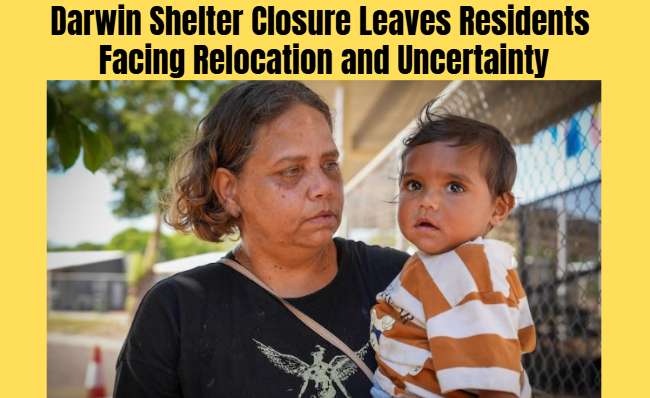
Residents of Darwin’s largest short-stay accommodation facility are facing relocation to Batchelor, around 100 kilometres away, amid concerns about acce...
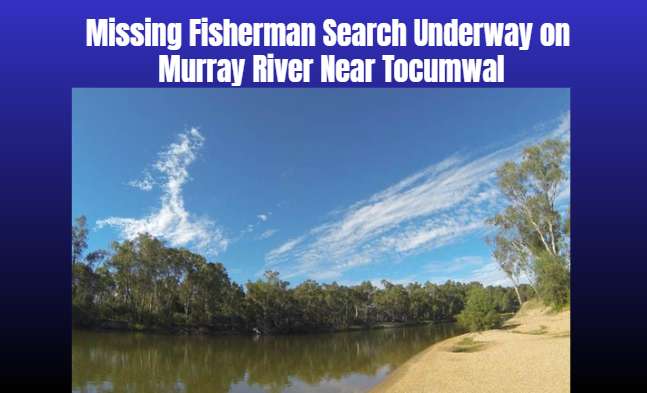
Emergency services are searching for a 39-year-old man who went fishing in a small boat near the Murray River after he could not be contacted. Police an...
Police have released CCTV footage showing a person of interest outside a home in Cobden, south-west Victoria, before a suspected deliberate fire threate...
Two people allegedly attempted to break into a property on Hamilton Island in Queensland’s Whitsundays, with a security officer reportedly stopping one...
Two people allegedly attempted to break into a property on Hamilton Island in Queensland’s Whitsundays, with a security officer reportedly stopping one...
NSW Police are seeking public assistance to locate Kynan Benson, who was last seen in Vineyard on 15 October. Authorities say his welfare is a concern b...
Detectives have released CCTV images of a man who may assist an investigation into several alleged sexual offences involving women in the Narrabeen area.
Emergency services are searching for a 39-year-old man who went fishing in a small boat near the Murray River after he could not be contacted. Police an...
Police have released CCTV footage showing a person of interest outside a home in Cobden, south-west Victoria, before a suspected deliberate fire threate...