Safety note: Admin approval is an initial review, not a guarantee that every detail is correct. Check important or urgent claims with official sources and report anything inaccurate or unsafe.
Source and credit: Contributor's own report
Northern Territory Families Struggle as Cost of Living Soars - Alice Springs, NT
Smart summary
A new report warns that rising rents, electricity bills, transport costs and food prices are placing severe pressure on households across the Northern Territory, with people on low incomes and residents of remote comm...
Households across the Northern Territory are facing mounting financial pressure as the cost of essential goods and services continues to rise, according to a report released on 12 October by the Northern Territory Council of Social Service.
The report compares changes in the cost of living between 2016 and 2026, examining housing, electricity, transport and food. It warns that people on lower incomes are increasingly forced to choose between basic necessities, while families in remote communities face additional costs associated with distance and limited access to affordable services.
One of the report's central findings is the scale of food insecurity. Citing Foodbank Australia data, it says approximately 46 per cent of Northern Territory households experienced food insecurity in 2025, compared with 33 per cent nationally.
For Alice Springs grandmother Shirley Napurrula Miller, managing groceries between pension payments has become a constant challenge. She described struggling to afford meat and other food, sometimes relying on inexpensive noodles. Her experience illustrates how rising prices can affect people who depend on fixed incomes.
Housing is another major pressure point. The report says rents have risen by 55 per cent over the decade examined, while the territory's social housing stock increased by only 4 per cent between 2017 and 2025. Applications for social housing rose by 37 per cent during the same period, highlighting the widening gap between demand and available accommodation.
Electricity affordability has also deteriorated. The report records an 18 per cent rise in power costs and an increase in involuntary disconnections among customers using prepaid electricity. It estimates that there were 103,648 involuntary self-disconnections in major centres across the territory in the most recent year covered.
Such interruptions can have serious consequences, particularly during extreme heat, when households need reliable electricity for cooling, food storage and other essential activities. Transport costs add another burden. The report estimates that filling an 80-litre diesel tank now costs $28 more in Darwin and $88 more in Alice Springs than it did a decade earlier. Higher fuel prices can affect workers, families and people living far from major service centres.
The cost of buying healthy food is particularly high in remote areas. The report states that in 2023, the average healthy food basket cost 40 per cent more in remote stores than in supermarkets. Limited shopping choices and long supply routes can make it difficult for residents to find cheaper alternatives. The council is calling on governments to strengthen income support, including payments such as Job Seeker, Youth Allowance, Parenting Payment and the Remote Area Allowance. It has also recommended expanding assistance for essential groceries in remote communities.
The report argues that increasing income support and addressing extra costs faced by people on low incomes are important steps towards reducing hardship. Its findings place renewed focus on whether existing assistance is keeping pace with the cost of everyday living across the Northern Territory.
CentFoodTerritoryCostBetween
Households across the Northern Territory are facing mounting financial pressure as the cost of essential goods and services continues to rise, according to a report released on 12 October by the Northern Territory Council of Social Service.
The report compares changes in the cost of living between 2016 and 2026, examining housing, electricity, transport and food. It warns that people on lower incomes are increasingly forced to choose between basic necessities, while families in remote communities face additional costs associated with distance and limited access to affordable services.
One of the report's central findings is the scale of food insecurity. Citing Foodbank Australia data, it says approximately 46 per cent of Northern Territory households experienced food insecurity in 2025, compared with 33 per cent nationally.
For Alice Springs grandmother Shirley Napurrula Miller, managing groceries between pension payments has become a constant challenge. She described struggling to afford meat and other food, sometimes relying on inexpensive noodles. Her experience illustrates how rising prices can affect people who depend on fixed incomes.
Housing is another major pressure point. The report says rents have risen by 55 per cent over the decade examined, while the territory's social housing stock increased by only 4 per cent between 2017 and 2025. Applications for social housing rose by 37 per cent during the same period, highlighting the widening gap between demand and available accommodation.
Electricity affordability has also deteriorated. The report records an 18 per cent rise in power costs and an increase in involuntary disconnections among customers using prepaid electricity. It estimates that there were 103,648 involuntary self-disconnections in major centres across the territory in the most recent year covered.
Such interruptions can have serious consequences, particularly during extreme heat, when households need reliable electricity for cooling, food storage and other essential activities. Transport costs add another burden. The report estimates that filling an 80-litre diesel tank now costs $28 more in Darwin and $88 more in Alice Springs than it did a decade earlier. Higher fuel prices can affect workers, families and people living far from major service centres.
The cost of buying healthy food is particularly high in remote areas. The report states that in 2023, the average healthy food basket cost 40 per cent more in remote stores than in supermarkets. Limited shopping choices and long supply routes can make it difficult for residents to find cheaper alternatives. The council is calling on governments to strengthen income support, including payments such as Job Seeker, Youth Allowance, Parenting Payment and the Remote Area Allowance. It has also recommended expanding assistance for essential groceries in remote communities.
The report argues that increasing income support and addressing extra costs faced by people on low incomes are important steps towards reducing hardship. Its findings place renewed focus on whether existing assistance is keeping pace with the cost of everyday living across the Northern Territory.
Ten public schools will trial restrictions on classroom screen time for younger students from Term 1, 2027, as the state looks to strengthen face-to-fac...
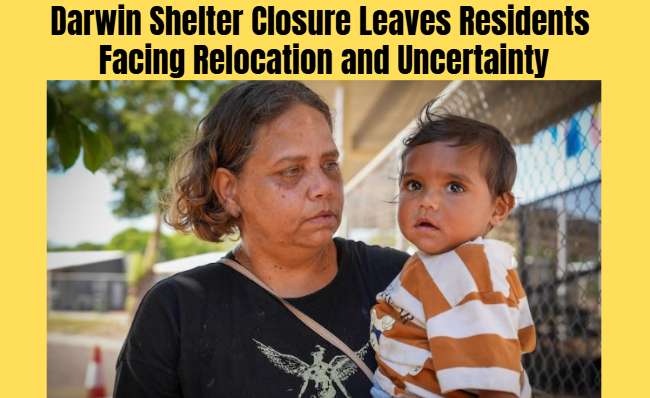
Residents of Darwin’s largest short-stay accommodation facility are facing relocation to Batchelor, around 100 kilometres away, amid concerns about acce...
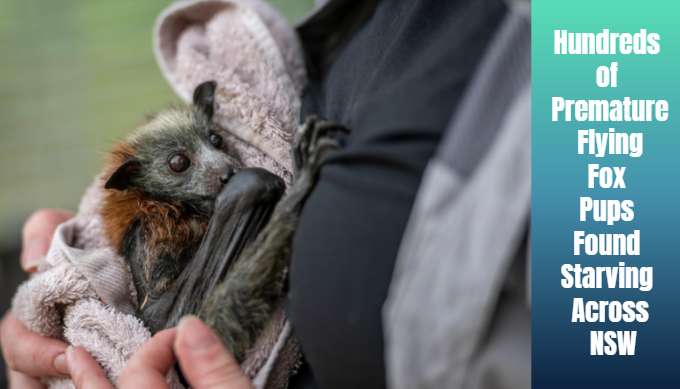
Wildlife rescuers are struggling to care for unusually large numbers of underweight baby flying foxes born prematurely, while the cause of the suspected...
A Queensland Police Service annual report shows the service failed to meet its targets for public perceptions of honesty, trust, fairness and profession...
Residents of Darwin’s largest short-stay accommodation facility are facing relocation to Batchelor, around 100 kilometres away, amid concerns about acce...
Darwin City Council plans to lead a business delegation to China and Vietnam in December, with approximately $18,000 in ratepayer funding drawing critic...
A probationary Northern Territory police constable has been charged with two alleged prohibited-weapon offences after officers reportedly found imitatio...
Ten public schools will trial restrictions on classroom screen time for younger students from Term 1, 2027, as the state looks to strengthen face-to-fac...
Australian Simon Peter Carman has agreed to plead guilty to concealing the body of 17-year-old Tunchanok Donhomla in Thailand, while contesting the othe...
Tesla has applied to increase the number of fast-charging stalls in Kaniva, western Victoria, from 10 to 18. Local businesses say the charging station i...
A Queensland inquest has begun examining whether government agencies could have better protected eight-year-old Elizabeth Struhs, who died in 2022 after...