Safety note: Admin approval is an initial review, not a guarantee that every detail is correct. Check important or urgent claims with official sources and report anything inaccurate or unsafe.
Source and credit: Contributor's own report
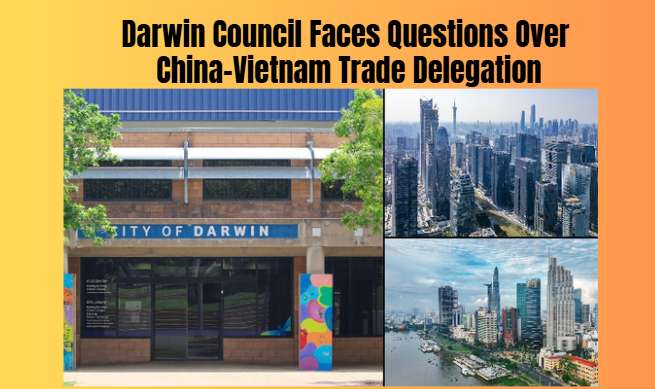
Darwin Council Faces Questions Over China–Vietnam Trade Delegation - Darwin, NT
Smart summary
Darwin City Council plans to lead a business delegation to China and Vietnam in December, with approximately $18,000 in ratepayer funding drawing criticism amid recent rate increases and delayed council services.
Darwin City Council is preparing to lead an international trade delegation to China and Vietnam in December, aiming to create new business opportunities and strengthen economic links for the Northern Territory capital. The planned visit has sparked debate about whether the potential economic benefits justify the use of public money, particularly after recent increases in council rates and changes to local services.
The delegation is expected to include around 10 businesses travelling to Guangzhou in China and Ho Chi Minh City in Vietnam between December 8 and 16. Darwin Lord Mayor Peter Styles will lead the mission, accompanied by two council staff members. The council has confirmed that approximately $18,000 in ratepayer funding will support the trip.
Participating businesses will pay their own travel costs, while the council intends to facilitate introductions, networking and discussions with prospective business partners. The aim is to help local companies explore overseas markets, develop commercial relationships and identify opportunities that could bring investment and economic activity back to the Top End.
Council general manager of innovation Alice Percy has defended the initiative, describing it as an economic opportunity rather than a leisure trip. She said similar trade missions could generate approximately $250,000 per year for the local economy. However, this figure represents a potential economic benefit, not a confirmed financial return from the upcoming visit.
The proposed delegation comes at a sensitive time for Darwin residents. Six months earlier, the council increased rates by 5.5 per cent, a rise above inflation. The council also postponed its annual pre-cyclone hard-rubbish clean-up until May 2027, following a costly cyclone season and pressure from rising operating expenses.
These circumstances have led some residents and former council leaders to question the timing and priorities of the overseas mission. Former Darwin Lord Mayor Graeme Sawyer warned that the council could appear disconnected from residents struggling with household costs. He also raised concerns about transparency in council decision-making and said the public should receive clear explanations of the reasons for spending money on international travel.
Some residents expressed support for international business connections in principle but argued that roads, rubbish collection and other everyday services should receive greater attention. They questioned whether the council's limited funding could be put to better use locally.
The council has also highlighted Darwin's broader ambitions to strengthen international links. China Southern Airlines began operating flights to and from Darwin in the previous year, and the city has expressed interest in attracting additional airlines and business connections.
The December mission will be the first overseas trade delegation led by the council since 2023. Its eventual success will depend on whether the meetings produce tangible commercial opportunities, new investment or lasting relationships for local businesses.
The debate now centres on accountability and measurable outcomes. While international trade missions can help regional businesses reach new markets, residents are seeking evidence that the public contribution will deliver benefits that justify the expense.
CouncilDarwinWillDelegationEconomic
Darwin City Council is preparing to lead an international trade delegation to China and Vietnam in December, aiming to create new business opportunities and strengthen economic links for the Northern Territory capital. The planned visit has sparked debate about whether the potential economic benefits justify the use of public money, particularly after recent increases in council rates and changes to local services.
The delegation is expected to include around 10 businesses travelling to Guangzhou in China and Ho Chi Minh City in Vietnam between December 8 and 16. Darwin Lord Mayor Peter Styles will lead the mission, accompanied by two council staff members. The council has confirmed that approximately $18,000 in ratepayer funding will support the trip.
Participating businesses will pay their own travel costs, while the council intends to facilitate introductions, networking and discussions with prospective business partners. The aim is to help local companies explore overseas markets, develop commercial relationships and identify opportunities that could bring investment and economic activity back to the Top End.
Council general manager of innovation Alice Percy has defended the initiative, describing it as an economic opportunity rather than a leisure trip. She said similar trade missions could generate approximately $250,000 per year for the local economy. However, this figure represents a potential economic benefit, not a confirmed financial return from the upcoming visit.
The proposed delegation comes at a sensitive time for Darwin residents. Six months earlier, the council increased rates by 5.5 per cent, a rise above inflation. The council also postponed its annual pre-cyclone hard-rubbish clean-up until May 2027, following a costly cyclone season and pressure from rising operating expenses.
These circumstances have led some residents and former council leaders to question the timing and priorities of the overseas mission. Former Darwin Lord Mayor Graeme Sawyer warned that the council could appear disconnected from residents struggling with household costs. He also raised concerns about transparency in council decision-making and said the public should receive clear explanations of the reasons for spending money on international travel.
Some residents expressed support for international business connections in principle but argued that roads, rubbish collection and other everyday services should receive greater attention. They questioned whether the council's limited funding could be put to better use locally.
The council has also highlighted Darwin's broader ambitions to strengthen international links. China Southern Airlines began operating flights to and from Darwin in the previous year, and the city has expressed interest in attracting additional airlines and business connections.
The December mission will be the first overseas trade delegation led by the council since 2023. Its eventual success will depend on whether the meetings produce tangible commercial opportunities, new investment or lasting relationships for local businesses.
The debate now centres on accountability and measurable outcomes. While international trade missions can help regional businesses reach new markets, residents are seeking evidence that the public contribution will deliver benefits that justify the expense.
The federal government will fund a temporary extension of credit card payments to the Australian Taxation Office, giving small businesses and taxpayers...
The New South Wales government has taken control of the planning process for a proposed public plaza outside Sydney Town Hall, raising concerns that the...
A Tasmanian parliamentary report has raised concerns over the government’s lease arrangements for the Derwent Entertainment Centre and the proposed sale...
A probationary Northern Territory police constable has been charged with two alleged prohibited-weapon offences after officers reportedly found imitatio...
A 36-year-old man extradited from Perth has received a suspended prison sentence after being convicted over a violent incident involving four people at...
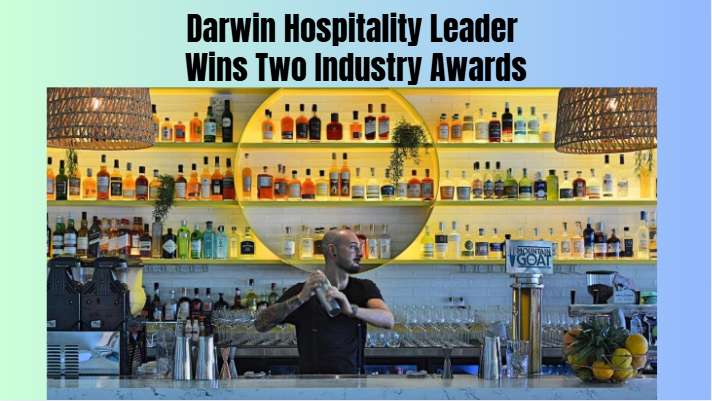
Darwin's Frontier Bar and Grill manager Aston Bell has received two industry awards, recognising her leadership, customer service and contribution to th...
St Kilda defeated Collingwood by two points in a tense AFLW contest, giving departing coach Nick Dal Santo a winning farewell after a difficult season.
Defending champion South Australia began its Sheffield Shield campaign with a commanding innings-and-40-run victory over Victoria, with debutant Noah Mc...
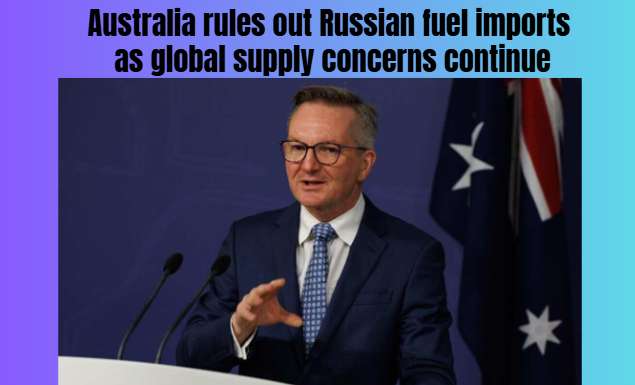
Energy Minister Chris Bowen says Australia will maintain its approach of preventing Russian fuel from entering the country, while reporting that 51 fuel...
Energy Minister Chris Bowen says Australia will maintain its approach of preventing Russian fuel from entering the country, while reporting that 51 fuel...