Snowy Hydro Appoints New Project Leader as Snowy 2.0 Cost Concerns Grow
By Chloe · Published 23 Nov 2026 · Updated 23 Nov 2026
Cooma, NSW
Safety note: Admin approval is an initial review, not a guarantee that every detail is correct. Check important or urgent claims with official sources and report anything inaccurate or unsafe.
Source and credit: Contributor's own report
Snowy Hydro Appoints New Project Leader as Snowy 2.0 Cost Concerns Grow - Cooma, NSW
Smart summary
Snowy Hydro has appointed former NSW Transport chief Rodd Staples as the new chief delivery officer for its Snowy 2.0 project. The appointment comes after the major renewable energy development revealed that its total...
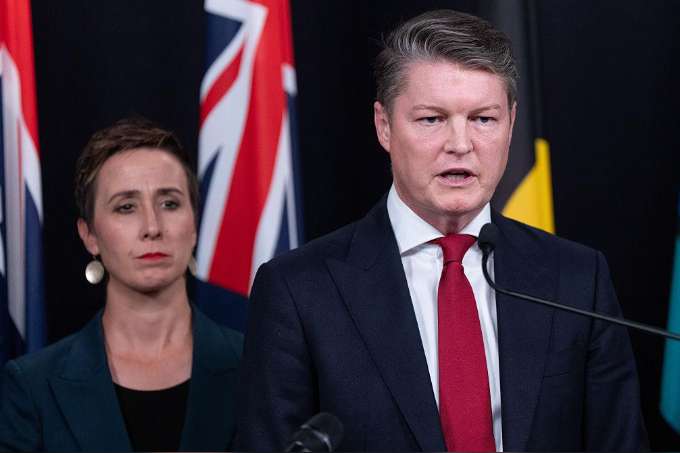
Snowy Hydro has appointed Rodd Staples as the new chief delivery officer responsible for leading its major Snowy 2.0 renewable energy project.
The appointment was announced on Monday, November 23, 2026, as the company prepares for the next stage of one of Australia's largest energy infrastructure developments.
Staples previously served as the head of Transport for New South Wales and played an important role in the development of Sydney's major transport infrastructure, including its metro network.
He also has experience working on large-scale city-building and infrastructure projects in the Middle East.
His appointment comes at a challenging time for Snowy 2.0, which has experienced repeated cost increases and construction challenges.
Snowy Hydro revealed last month that the project's estimated cost could reach as much as $25 billion. The increasing financial commitment has attracted attention from government representatives, energy experts and taxpayers.
Staples will replace Dave Evans, who is stepping down from the leadership position. Snowy Hydro said Evans was leaving the role to spend more time with his family.
The incoming project leader is expected to bring extensive experience in managing complex infrastructure developments, coordinating contractors and overseeing large engineering programs.
Staples will begin his new position in late January 2027 and will be based in Cooma, New South Wales.
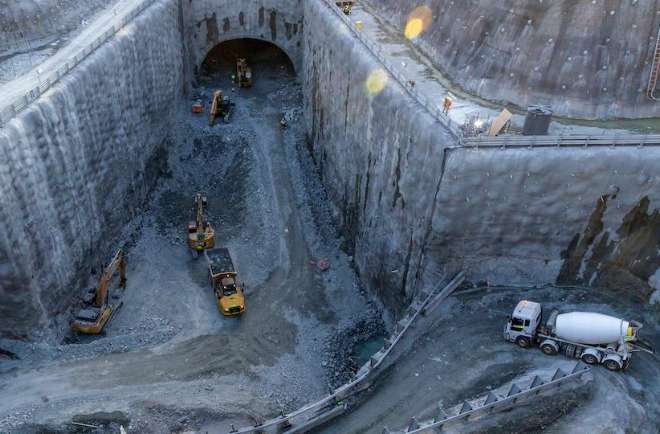
Snowy 2.0 is an important component of Australia's renewable energy strategy. The project is designed to provide pumped-hydro electricity storage, helping balance electricity supply when renewable energy production from wind and solar changes.
Pumped-hydro systems work by moving water between two reservoirs at different elevations. When electricity demand is low, excess electricity is used to pump water uphill. When demand increases, the stored water is released downhill through turbines to generate electricity.
This technology can help provide electricity when solar and wind generation are insufficient, supporting the reliability of Australia's electricity network.
However, Snowy 2.0 has faced significant financial and construction pressures. Its rising estimated cost has raised questions about project management, delivery schedules and the long-term financial implications.
The appointment of Staples represents a leadership change as Snowy Hydro continues working towards delivering the project.
His experience with major transport and infrastructure developments will be important as the organisation manages the project's remaining construction and delivery challenges.
The appointment also places renewed attention on the future of large-scale energy storage in Australia.
The project remains a significant part of the country's plans to transition towards renewable electricity while maintaining a reliable power supply.
SnowyProjectElectricityEnergyHydro
Snowy Hydro has appointed Rodd Staples as the new chief delivery officer responsible for leading its major Snowy 2.0 renewable energy project.
The appointment was announced on Monday, November 23, 2026, as the company prepares for the next stage of one of Australia's largest energy infrastructure developments.
Staples previously served as the head of Transport for New South Wales and played an important role in the development of Sydney's major transport infrastructure, including its metro network.
He also has experience working on large-scale city-building and infrastructure projects in the Middle East.
His appointment comes at a challenging time for Snowy 2.0, which has experienced repeated cost increases and construction challenges.
Snowy Hydro revealed last month that the project's estimated cost could reach as much as $25 billion. The increasing financial commitment has attracted attention from government representatives, energy experts and taxpayers.
Staples will replace Dave Evans, who is stepping down from the leadership position. Snowy Hydro said Evans was leaving the role to spend more time with his family.
The incoming project leader is expected to bring extensive experience in managing complex infrastructure developments, coordinating contractors and overseeing large engineering programs.
Staples will begin his new position in late January 2027 and will be based in Cooma, New South Wales.
Snowy 2.0 is an important component of Australia's renewable energy strategy. The project is designed to provide pumped-hydro electricity storage, helping balance electricity supply when renewable energy production from wind and solar changes.
Pumped-hydro systems work by moving water between two reservoirs at different elevations. When electricity demand is low, excess electricity is used to pump water uphill. When demand increases, the stored water is released downhill through turbines to generate electricity.
This technology can help provide electricity when solar and wind generation are insufficient, supporting the reliability of Australia's electricity network.
However, Snowy 2.0 has faced significant financial and construction pressures. Its rising estimated cost has raised questions about project management, delivery schedules and the long-term financial implications.
The appointment of Staples represents a leadership change as Snowy Hydro continues working towards delivering the project.
His experience with major transport and infrastructure developments will be important as the organisation manages the project's remaining construction and delivery challenges.
The appointment also places renewed attention on the future of large-scale energy storage in Australia.
The project remains a significant part of the country's plans to transition towards renewable electricity while maintaining a reliable power supply.
Political experts believe Victoria's Labor government could face a major electoral defeat as voter dissatisfaction, regional concerns and the growing po...
Farmers opposing the controversial VNI West electricity transmission project face escalating penalties, including possible licence suspensions and vehic...
The Tasmanian Government has begun approaching potential financial partners as concerns grow over the rising cost of the proposed Macquarie Point stadiu...
Prime Minister Anthony Albanese is meeting Philippine President Ferdinand Marcos Jr in Manila following a new defence cooperation agreement focused on m...
Australian wine-industry supplier Tarac Technologies has announced a progressive closure of its operations, with approximately 50 jobs expected to be lo...
Australian hydrogen technology company Hysata has made 17 employees redundant just two months after receiving a $49 million federal government grant. Th...
Health authorities are warning residents in Western Australia's Kimberley region about the increased risk of mosquito-borne diseases as the tropical wet...
A Tasmanian police sergeant was shot while on duty outside Whitemark Police Station on Saturday night. Police say the officer was allegedly ambushed by...
Australian wine-industry supplier Tarac Technologies has announced a progressive closure of its operations, with approximately 50 jobs expected to be lo...
Three separate stabbing incidents over the weekend have brought community safety and crime prevention into focus ahead of Victoria's election campaign....
Northern Territory Police have located a seven-year-old boy safe and well in Alice Springs after he went missing while playing with other children. Poli...
Australian hydrogen technology company Hysata has made 17 employees redundant just two months after receiving a $49 million federal government grant. Th...