Health Warning Issued for Deadly Mosquito-Borne Viruses Across Remote Western Australia
By Chloe · Published 23 Nov 2026 · Updated 23 Nov 2026
Kimberley, WA
Safety note: Admin approval is an initial review, not a guarantee that every detail is correct. Check important or urgent claims with official sources and report anything inaccurate or unsafe.
Source and credit: Contributor's own report
Health Warning Issued for Deadly Mosquito-Borne Viruses Across Remote Western Australia - Kimberley, WA
Smart summary
Health authorities are warning residents in Western Australia's Kimberley region about the increased risk of mosquito-borne diseases as the tropical wet season begins. Aboriginal children in remote communities are con...
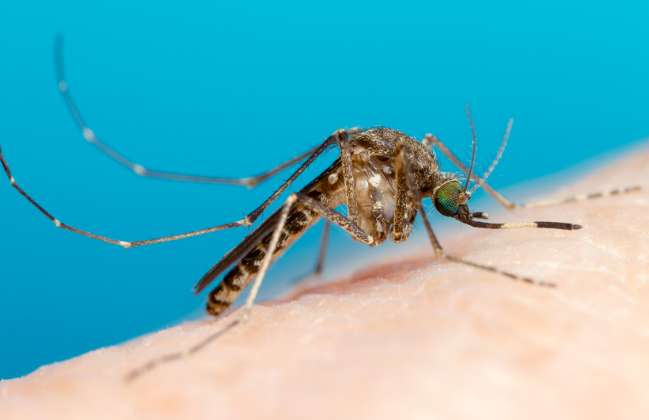
Health authorities in Western Australia have issued a public health warning about the potential spread of dangerous mosquito-borne diseases as the Kimberley region enters its tropical wet season.
The warning focuses on Japanese encephalitis virus (JEV), Murray Valley encephalitis and Ross River virus. Authorities are particularly concerned about children living in remote Aboriginal communities across the state's far north.
The Kimberley wet season generally runs from November to March. During this period, heavy rainfall, flooding and high humidity create favourable breeding conditions for mosquitoes. Increased mosquito activity can raise the risk of disease transmission, particularly in communities surrounded by wetlands and other water sources.
Japanese encephalitis is a mosquito-borne viral infection that can cause inflammation of the brain. Although most infected people do not develop noticeable symptoms, severe cases can lead to serious neurological complications.
According to Australia's Department of Health, fewer than one per cent of people infected with Japanese encephalitis develop symptoms. However, among those who develop severe disease, the fatality rate can reach approximately 30 per cent.
Medical entomologist Abbey Potter from the Western Australian Department of Health has identified Aboriginal children in remote Kimberley communities as a particularly vulnerable group.
Her assessment is based partly on previous patterns of Murray Valley encephalitis infections, where Aboriginal children have been over-represented among people experiencing severe illness.
Authorities have confirmed that there have been no reported human cases of Japanese encephalitis in Western Australia in the situation described by the report. However, health officials are taking precautions because environmental conditions could increase the risk of mosquito-borne infections.
The concern is not limited to Japanese encephalitis.
Murray Valley encephalitis is another serious mosquito-transmitted virus that can cause brain inflammation. Over the past two years, two cases have been confirmed in the Kimberley region.
One child required medical treatment after contracting the infection in the East Kimberley region. A woman also died after acquiring Murray Valley encephalitis while travelling in the West Kimberley.
Ross River virus is another concern for residents. Between January and June this year, 27 infections were recorded across the Kimberley region.
To strengthen prevention efforts, WA Health is working with Aboriginal environmental health organisations to improve disease surveillance in remote communities.
The government is also promoting its Fight the Bite campaign, which encourages residents to reduce mosquito exposure. Free mosquito repellent kits are being distributed to community groups.
Residents are being encouraged to remove stagnant water around homes, use insect repellent, wear protective clothing and avoid outdoor exposure during periods of high mosquito activity, particularly early morning and evening.
Community organisations are also helping distribute health information and encourage vaccination where available and recommended.
Djarindjin Aboriginal Corporation chief executive Nathan McIvor said community members were helping protect children by educating households about stagnant water and mosquito prevention.
Another challenge is access to medical care. Heavy rainfall can damage roads and isolate remote communities, making it difficult for patients to reach medical facilities quickly.
Health officials say early awareness, prevention and monitoring are essential to reducing the risk of severe disease during the wet season.
The warning highlights the importance of strengthening healthcare support in remote Australian communities as seasonal weather conditions increase mosquito activity.
HealthEncephalitisKimberleyCommunitiesMosquito
Health authorities in Western Australia have issued a public health warning about the potential spread of dangerous mosquito-borne diseases as the Kimberley region enters its tropical wet season.
The warning focuses on Japanese encephalitis virus (JEV), Murray Valley encephalitis and Ross River virus. Authorities are particularly concerned about children living in remote Aboriginal communities across the state's far north.
The Kimberley wet season generally runs from November to March. During this period, heavy rainfall, flooding and high humidity create favourable breeding conditions for mosquitoes. Increased mosquito activity can raise the risk of disease transmission, particularly in communities surrounded by wetlands and other water sources.
Japanese encephalitis is a mosquito-borne viral infection that can cause inflammation of the brain. Although most infected people do not develop noticeable symptoms, severe cases can lead to serious neurological complications.
According to Australia's Department of Health, fewer than one per cent of people infected with Japanese encephalitis develop symptoms. However, among those who develop severe disease, the fatality rate can reach approximately 30 per cent.
Medical entomologist Abbey Potter from the Western Australian Department of Health has identified Aboriginal children in remote Kimberley communities as a particularly vulnerable group.
Her assessment is based partly on previous patterns of Murray Valley encephalitis infections, where Aboriginal children have been over-represented among people experiencing severe illness.
Authorities have confirmed that there have been no reported human cases of Japanese encephalitis in Western Australia in the situation described by the report. However, health officials are taking precautions because environmental conditions could increase the risk of mosquito-borne infections.
The concern is not limited to Japanese encephalitis.
Murray Valley encephalitis is another serious mosquito-transmitted virus that can cause brain inflammation. Over the past two years, two cases have been confirmed in the Kimberley region.
One child required medical treatment after contracting the infection in the East Kimberley region. A woman also died after acquiring Murray Valley encephalitis while travelling in the West Kimberley.
Ross River virus is another concern for residents. Between January and June this year, 27 infections were recorded across the Kimberley region.
To strengthen prevention efforts, WA Health is working with Aboriginal environmental health organisations to improve disease surveillance in remote communities.
The government is also promoting its Fight the Bite campaign, which encourages residents to reduce mosquito exposure. Free mosquito repellent kits are being distributed to community groups.
Residents are being encouraged to remove stagnant water around homes, use insect repellent, wear protective clothing and avoid outdoor exposure during periods of high mosquito activity, particularly early morning and evening.
Community organisations are also helping distribute health information and encourage vaccination where available and recommended.
Djarindjin Aboriginal Corporation chief executive Nathan McIvor said community members were helping protect children by educating households about stagnant water and mosquito prevention.
Another challenge is access to medical care. Heavy rainfall can damage roads and isolate remote communities, making it difficult for patients to reach medical facilities quickly.
Health officials say early awareness, prevention and monitoring are essential to reducing the risk of severe disease during the wet season.
The warning highlights the importance of strengthening healthcare support in remote Australian communities as seasonal weather conditions increase mosquito activity.
South Australia's health department has denied deliberately timing two potentially embarrassing media statements to reduce public scrutiny during a majo...
Queensland's government has rejected calls to reconsider restrictions on puberty-suppressing medication for young transgender people, following new inte...
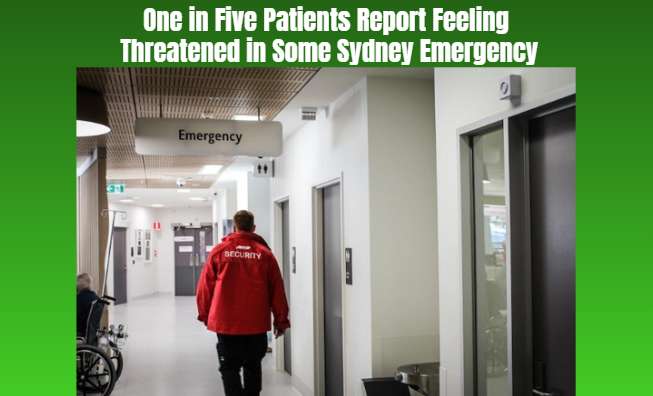
NSW patient survey findings highlight safety concerns in several major hospitals, as the state government commits additional security staff to emergency...
The ACT Government has released early designs for a major hospital expansion in Bruce, featuring new clinical facilities, additional beds, an emergency...
Australian wine-industry supplier Tarac Technologies has announced a progressive closure of its operations, with approximately 50 jobs expected to be lo...
Snowy Hydro has appointed former NSW Transport chief Rodd Staples as the new chief delivery officer for its Snowy 2.0 project. The appointment comes aft...
Australian hydrogen technology company Hysata has made 17 employees redundant just two months after receiving a $49 million federal government grant. Th...
A Tasmanian police sergeant was shot while on duty outside Whitemark Police Station on Saturday night. Police say the officer was allegedly ambushed by...
Australian wine-industry supplier Tarac Technologies has announced a progressive closure of its operations, with approximately 50 jobs expected to be lo...
Three separate stabbing incidents over the weekend have brought community safety and crime prevention into focus ahead of Victoria's election campaign....
Snowy Hydro has appointed former NSW Transport chief Rodd Staples as the new chief delivery officer for its Snowy 2.0 project. The appointment comes aft...
Northern Territory Police have located a seven-year-old boy safe and well in Alice Springs after he went missing while playing with other children. Poli...