South Australia's health department is facing questions about the timing of two public announcements released during a major electricity blackout affecting the Eyre Peninsula.
The controversy began after SA Health issued two media statements on Friday, addressing separate issues that had attracted public and professional concern.
The first announcement concerned inappropriate access to hundreds of patient medical records by a health department employee. The department acknowledged the incident and issued an apology to affected patients.
The second announcement confirmed that SA Health had abandoned a recently introduced birthing model at two hospitals in the state's Mid North. The decision represented a reversal of a policy that had been introduced approximately one month earlier.
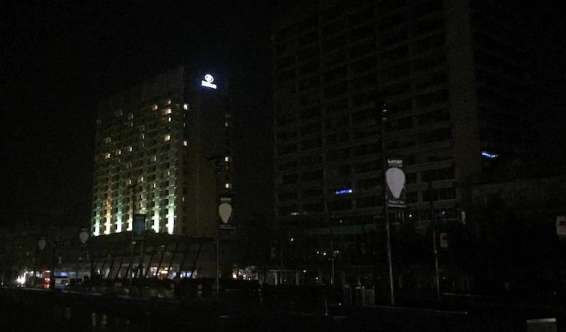
The timing of the announcements attracted attention because South Australia was simultaneously dealing with a major electricity supply crisis. More than 20,000 properties had experienced power disruptions following damage to electricity infrastructure during severe weather on the Eyre Peninsula.
Critics questioned whether the department had deliberately released the two potentially embarrassing announcements while media attention was focused on the blackout.
SA Health chief executive Robyn Lindsay rejected that suggestion. She said the timing was coincidental and maintained that the decisions to publish both statements had been made before the electricity crisis developed.
During an interview with ABC Adelaide, Lindsay explained that letters informing patients about the inappropriate access to medical records had already been sent on Thursday.
She said the department considered it appropriate to issue a public statement on Friday after notifying the affected individuals.
Regarding the abandoned birthing model, Lindsay said the announcement followed communication with doctors and was released at the earliest appropriate opportunity.
She also denied that the state government had directed the department to schedule the announcements around the blackout.
The patient-record incident raises significant concerns about the privacy of sensitive medical information. Patients expect hospitals and healthcare organisations to maintain strict controls over who can access their personal records.
Unauthorised access can undermine public confidence in healthcare institutions, even when information is not publicly disclosed or distributed outside the organisation.
The separate maternity-care controversy has also attracted attention because changes to childbirth services can directly affect pregnant women, families and healthcare professionals in regional communities.
For families living outside major metropolitan centres, reliable access to maternity services is particularly important. Changes to birthing arrangements can influence travel requirements, hospital choices and the availability of experienced medical staff.
The department's decision to abandon the model followed concerns raised by doctors and other healthcare professionals.
SA Health is now facing scrutiny over both its handling of patient information and its approach to regional maternity services.
Although the chief executive has defended the timing of the announcements, the questions surrounding the incidents highlight the importance of transparent communication and accountability in public healthcare.
The controversy is likely to remain an issue of public interest as further information about the patient-record investigation and maternity-service changes becomes available.