Tarac Technologies Announces Closure, Putting Around 50 Australian Jobs at Risk
By Chloe · Published 23 Nov 2026 · Updated 23 Nov 2026
Riverina, SA
Safety note: Admin approval is an initial review, not a guarantee that every detail is correct. Check important or urgent claims with official sources and report anything inaccurate or unsafe.
Source and credit: Contributor's own report
Tarac Technologies Announces Closure, Putting Around 50 Australian Jobs at Risk - Riverina, SA
Smart summary
Australian wine-industry supplier Tarac Technologies has announced a progressive closure of its operations, with approximately 50 jobs expected to be lost across South Australia and New South Wales. The company has bl...
Australian wine-industry supplier Tarac Technologies has announced plans to progressively close its operations, putting approximately 50 jobs at risk across several regional locations.
The announcement was reported on Monday, 23 November 2026, and has raised concerns among workers and businesses connected to Australia's wine-production industry.
The company said the decision followed increasing manufacturing costs and changes in the alcohol market. These pressures have affected the company's ability to continue operating its existing business.
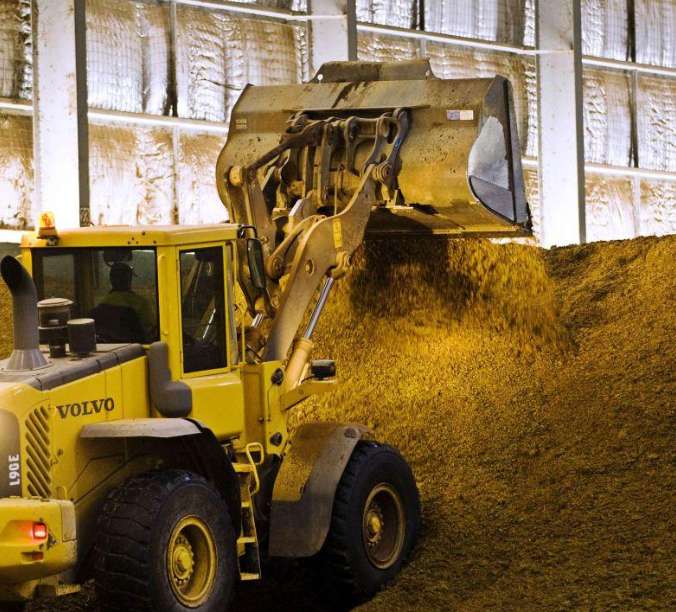
Tarac Technologies provides services connected to the processing and management of winery residuals, which are materials left over from wine production. These materials can include grape skins, seeds, stems and other by-products generated during the winemaking process.
The company plays an important role in the wine industry because winery waste requires appropriate handling, processing and disposal. Recycling these materials can help reduce waste and support more sustainable production practices.
According to chief executive Jeremy Blanks, the closure will affect approximately 50 employees across several locations.
The affected sites include operations in the Barossa Valley and Riverland regions of South Australia, as well as the Riverina region of New South Wales.
The company described the shutdown as a progressive closure, meaning operations will wind down over a period rather than stopping immediately at every location.
The announcement is particularly significant for South Australia's wine industry. The state is home to several important wine-producing regions, including the Barossa Valley and Riverland, where wineries and related businesses contribute to regional employment and economic activity.
One major concern is the company's role in handling winery residuals. Tarac has been described as the only consolidator or aggregator of winery residuals for responsible management and recycling in South Australia.
Its departure could therefore create additional challenges for wineries that depend on specialist services to manage production by-products.
Winery operators may need to investigate alternative arrangements for collecting, transporting, processing and recycling these materials.
The closure could also affect other businesses connected to Tarac's operations, including suppliers, transport companies and regional service providers.
For workers, the announcement creates uncertainty about future employment opportunities, particularly in regional communities where specialised industrial jobs may be limited.
The situation also highlights the financial pressures facing businesses connected to Australia's alcohol and wine markets. Changes in consumer demand, manufacturing expenses and operating costs can affect companies throughout the supply chain, not just wineries themselves.
Chief executive Jeremy Blanks has identified these pressures as the reasons behind the decision.
The announcement is expected to have consequences beyond the company's employees because its services are connected to the wider wine-production and recycling industries.
The progressive closure will now require affected workers and businesses to consider alternative employment and operational arrangements.
The development represents another challenge for regional Australian manufacturing and the wine industry as companies respond to changing market conditions.
CompanyBusinessesClosureConnectedRegional
Australian wine-industry supplier Tarac Technologies has announced plans to progressively close its operations, putting approximately 50 jobs at risk across several regional locations.
The announcement was reported on Monday, 23 November 2026, and has raised concerns among workers and businesses connected to Australia's wine-production industry.
The company said the decision followed increasing manufacturing costs and changes in the alcohol market. These pressures have affected the company's ability to continue operating its existing business.
Tarac Technologies provides services connected to the processing and management of winery residuals, which are materials left over from wine production. These materials can include grape skins, seeds, stems and other by-products generated during the winemaking process.
The company plays an important role in the wine industry because winery waste requires appropriate handling, processing and disposal. Recycling these materials can help reduce waste and support more sustainable production practices.
According to chief executive Jeremy Blanks, the closure will affect approximately 50 employees across several locations.
The affected sites include operations in the Barossa Valley and Riverland regions of South Australia, as well as the Riverina region of New South Wales.
The company described the shutdown as a progressive closure, meaning operations will wind down over a period rather than stopping immediately at every location.
The announcement is particularly significant for South Australia's wine industry. The state is home to several important wine-producing regions, including the Barossa Valley and Riverland, where wineries and related businesses contribute to regional employment and economic activity.
One major concern is the company's role in handling winery residuals. Tarac has been described as the only consolidator or aggregator of winery residuals for responsible management and recycling in South Australia.
Its departure could therefore create additional challenges for wineries that depend on specialist services to manage production by-products.
Winery operators may need to investigate alternative arrangements for collecting, transporting, processing and recycling these materials.
The closure could also affect other businesses connected to Tarac's operations, including suppliers, transport companies and regional service providers.
For workers, the announcement creates uncertainty about future employment opportunities, particularly in regional communities where specialised industrial jobs may be limited.
The situation also highlights the financial pressures facing businesses connected to Australia's alcohol and wine markets. Changes in consumer demand, manufacturing expenses and operating costs can affect companies throughout the supply chain, not just wineries themselves.
Chief executive Jeremy Blanks has identified these pressures as the reasons behind the decision.
The announcement is expected to have consequences beyond the company's employees because its services are connected to the wider wine-production and recycling industries.
The progressive closure will now require affected workers and businesses to consider alternative employment and operational arrangements.
The development represents another challenge for regional Australian manufacturing and the wine industry as companies respond to changing market conditions.
Australian hydrogen technology company Hysata has made 17 employees redundant just two months after receiving a $49 million federal government grant. Th...
Rising operating costs and uncertainty over regulations are putting pressure on Australia’s cruise tourism industry, with fewer ships visiting the count...
Australia's unemployment rate unexpectedly increased to 4.9 per cent in October, with employment falling by 43,500 people, raising fresh concerns about...
Tasmania's well-known cheese and chocolate producer has entered voluntary administration, raising concerns about its future operations and the impact on...
Snowy Hydro has appointed former NSW Transport chief Rodd Staples as the new chief delivery officer for its Snowy 2.0 project. The appointment comes aft...
Australian hydrogen technology company Hysata has made 17 employees redundant just two months after receiving a $49 million federal government grant. Th...
Health authorities are warning residents in Western Australia's Kimberley region about the increased risk of mosquito-borne diseases as the tropical wet...
A Tasmanian police sergeant was shot while on duty outside Whitemark Police Station on Saturday night. Police say the officer was allegedly ambushed by...
Three separate stabbing incidents over the weekend have brought community safety and crime prevention into focus ahead of Victoria's election campaign....
Snowy Hydro has appointed former NSW Transport chief Rodd Staples as the new chief delivery officer for its Snowy 2.0 project. The appointment comes aft...
Northern Territory Police have located a seven-year-old boy safe and well in Alice Springs after he went missing while playing with other children. Poli...
Australian hydrogen technology company Hysata has made 17 employees redundant just two months after receiving a $49 million federal government grant. Th...