Safety note: Admin approval is an initial review, not a guarantee that every detail is correct. Check important or urgent claims with official sources and report anything inaccurate or unsafe.
Source and credit: Contributor's own report
Labor Faces Possible Historic Defeat as Victorian Election Campaign Enters Final Week - Melbourne, VIC
Smart summary
Political experts believe Victoria's Labor government could face a major electoral defeat as voter dissatisfaction, regional concerns and the growing popularity of One Nation reshape the state election campaign.
Victoria's Labor government is facing the possibility of a significant electoral defeat as political parties enter the final week of campaigning ahead of the 2026 state election.
Political analysts have warned that the government could lose several important seats, particularly in regional Victoria, where concerns about healthcare, infrastructure, roads and renewable energy projects are influencing voter sentiment.
The election campaign has become increasingly challenging for Labor, with opposition parties attempting to capitalise on dissatisfaction among regional communities and suburban voters.
One of the major issues affecting the campaign is the condition of regional roads. Residents in several country towns have complained about potholes, deteriorating road surfaces and insufficient maintenance. Many believe regional communities have not received the same level of infrastructure investment as Melbourne.
Healthcare is another important concern. Regional residents have raised questions about hospital services, staffing shortages, access to emergency treatment and the availability of medical facilities outside major population centres.
Renewable energy developments have also become a controversial election issue. Some communities argue that large infrastructure projects have been approved without sufficient consultation with landowners and local residents.
The rise of One Nation has added another dimension to the election campaign. The party has attracted support from voters dissatisfied with traditional political parties.
A Red Bridge poll published earlier in November placed the Coalition on 31 per cent, Labor on 23 per cent and One Nation on 22 per cent of the primary vote.
Political analyst Kos Samaras believes the Coalition could make significant gains in regional seats, including areas where Labor has maintained strong support for many years.
Regional Victoria contains 25 of the state's 88 lower-house electorates, making it particularly important in determining which party forms government.
Ballarat, Bendigo and Geelong are among the major regional centres being closely watched during the campaign.
Labor has traditionally maintained substantial support in these communities, but changing voter attitudes could create difficulties for the government.
The election has also brought comparisons with the 1999 Victorian election, when widespread regional dissatisfaction helped Labor return to government under former premier Steve Bracks.
However, political analysts caution that the current political environment is different, particularly because support for the major parties has declined and smaller parties have become more competitive.
The Coalition is seeking to turn dissatisfaction into electoral support, while Labor is attempting to defend its record and convince voters that it can continue delivering services and infrastructure improvements.
The outcome could have important consequences for Victoria's transport network, healthcare system, renewable energy development and regional investment.
With only one week of campaigning remaining, candidates are expected to increase their efforts to persuade undecided voters before polling day.
The election could become a significant test of public confidence in the current government and reshape the political landscape across Victoria.
RegionalElectionLaborPoliticalGovernment
Victoria's Labor government is facing the possibility of a significant electoral defeat as political parties enter the final week of campaigning ahead of the 2026 state election.
Political analysts have warned that the government could lose several important seats, particularly in regional Victoria, where concerns about healthcare, infrastructure, roads and renewable energy projects are influencing voter sentiment.
The election campaign has become increasingly challenging for Labor, with opposition parties attempting to capitalise on dissatisfaction among regional communities and suburban voters.
One of the major issues affecting the campaign is the condition of regional roads. Residents in several country towns have complained about potholes, deteriorating road surfaces and insufficient maintenance. Many believe regional communities have not received the same level of infrastructure investment as Melbourne.
Healthcare is another important concern. Regional residents have raised questions about hospital services, staffing shortages, access to emergency treatment and the availability of medical facilities outside major population centres.
Renewable energy developments have also become a controversial election issue. Some communities argue that large infrastructure projects have been approved without sufficient consultation with landowners and local residents.
The rise of One Nation has added another dimension to the election campaign. The party has attracted support from voters dissatisfied with traditional political parties.
A Red Bridge poll published earlier in November placed the Coalition on 31 per cent, Labor on 23 per cent and One Nation on 22 per cent of the primary vote.
Political analyst Kos Samaras believes the Coalition could make significant gains in regional seats, including areas where Labor has maintained strong support for many years.
Regional Victoria contains 25 of the state's 88 lower-house electorates, making it particularly important in determining which party forms government.
Ballarat, Bendigo and Geelong are among the major regional centres being closely watched during the campaign.
Labor has traditionally maintained substantial support in these communities, but changing voter attitudes could create difficulties for the government.
The election has also brought comparisons with the 1999 Victorian election, when widespread regional dissatisfaction helped Labor return to government under former premier Steve Bracks.
However, political analysts caution that the current political environment is different, particularly because support for the major parties has declined and smaller parties have become more competitive.
The Coalition is seeking to turn dissatisfaction into electoral support, while Labor is attempting to defend its record and convince voters that it can continue delivering services and infrastructure improvements.
The outcome could have important consequences for Victoria's transport network, healthcare system, renewable energy development and regional investment.
With only one week of campaigning remaining, candidates are expected to increase their efforts to persuade undecided voters before polling day.
The election could become a significant test of public confidence in the current government and reshape the political landscape across Victoria.
Farmers opposing the controversial VNI West electricity transmission project face escalating penalties, including possible licence suspensions and vehic...
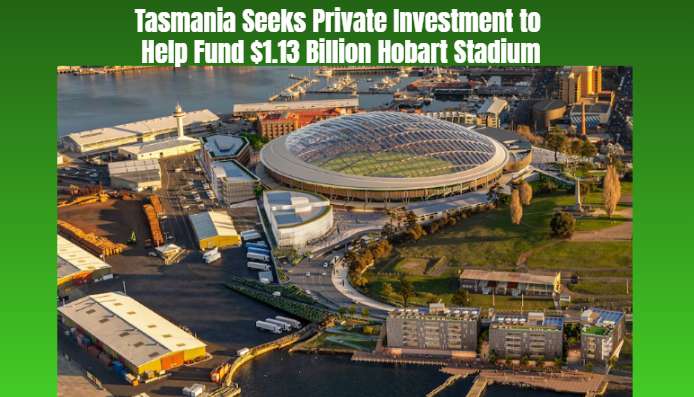
The Tasmanian Government has begun approaching potential financial partners as concerns grow over the rising cost of the proposed Macquarie Point stadiu...
Prime Minister Anthony Albanese is meeting Philippine President Ferdinand Marcos Jr in Manila following a new defence cooperation agreement focused on m...
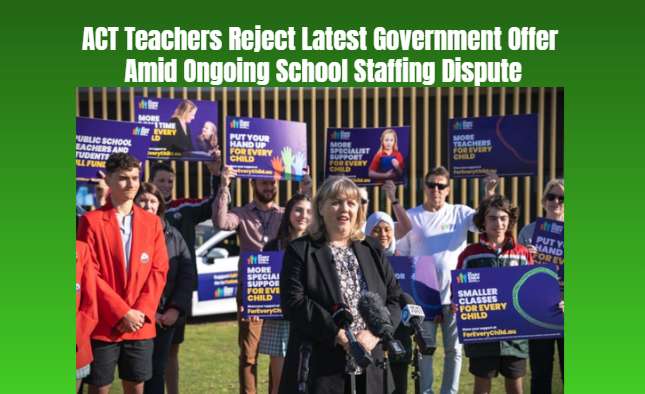
Public school teachers in the Australian Capital Territory have rejected another government offer, keeping concerns over classroom arrangements and teac...
North Melbourne survived a strong challenge from Sydney to secure a place in their fourth consecutive AFLW grand final, extending their remarkable run i...
Victorian detectives have arrested a teenager following an investigation into alleged organised crime attacks targeting bars, clubs and restaurants acro...
Police are investigating a daylight theft after three valuable trophies belonging to Australia's legendary racehorse were taken from an exhibition displ...
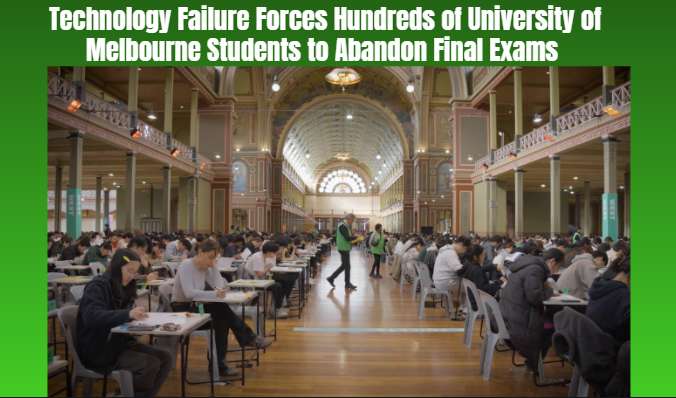
A digital examination platform failure disrupted final assessments in Melbourne, leaving hundreds of students unable to access their exams and forcing u...
North Melbourne survived a strong challenge from Sydney to secure a place in their fourth consecutive AFLW grand final, extending their remarkable run i...
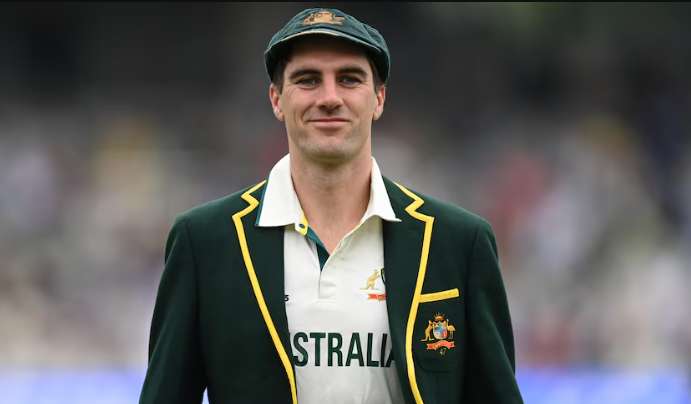
Cricket Australia has unanimously backed Pat Cummins to remain national captain following renewed controversy surrounding Australia's 2018 ball-tamperin...
Thousands of school leavers have arrived on Queensland's Gold Coast for Schoolies Week, but changing interests and declining attendance are reshaping th...
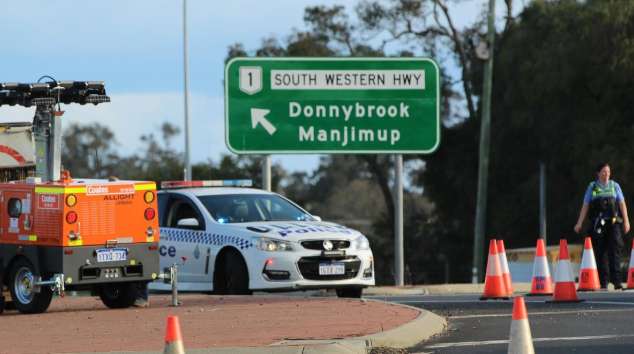
Police are investigating a fatal road accident in Kirup, south of Perth, after an 11-year-old boy was struck by a utility vehicle while crossing a major...