Magnitude 6.6 Earthquake in Indonesia Sends Tremors Across Darwin and Northern Territory
By Chloe · Published 17 Nov 2026 · Updated 17 Nov 2026
Darwin, NT · Northern Territory News
Safety note: Admin approval is an initial review, not a guarantee that every detail is correct. Check important or urgent claims with official sources and report anything inaccurate or unsafe.
Source and credit: Contributor's own report
Smart summary
Hundreds of Australians report feeling earthquake tremors across Darwin, Katherine and remote Northern Territory communities after a powerful earthquake struck near Indonesia's Tanimbar Islands.
Residents across Darwin and several regional communities in the Northern Territory reported feeling earthquake tremors on Tuesday morning after a magnitude 6.6 earthquake struck near Indonesia's Tanimbar Islands.
The earthquake occurred at approximately 6:41 am Darwin time on November 17, 2026. According to the Bureau of Meteorology, the seismic event originated in the Banda Sea, north of Australia. Geoscience Australia reported that the earthquake began approximately 42 kilometres beneath the Earth's surface.
Although the earthquake occurred outside Australian territory, its effects were felt across parts of northern Australia. Hundreds of residents contacted authorities and submitted reports describing the shaking.
By late Tuesday morning, Geoscience Australia had received more than 460 felt reports from people across the affected region.
Darwin was among the main areas where residents experienced the tremors. Reports came from the central business district, suburban neighbourhoods and surrounding communities. People in Palmerston and rural areas also reported feeling the movement.
The shaking was not limited to Darwin. Residents in Katherine and several remote Northern Territory communities, including Jabiru, Maningrida, Milingimbi and Nhulunbuy, also reported experiencing the earthquake.
Some residents described hearing a low rumbling sound before noticing movement inside their homes. Others said furniture and household objects appeared to shake briefly.
A resident in Katherine told ABC Radio Darwin that the shaking lasted approximately 10 seconds. Another resident in the Wulagi area of Darwin described hearing a sound similar to heavy machinery before noticing movement beneath the house.
Geoscience Australia seismologist Tanja Pejic explained that the earthquake was relatively shallow and therefore widely felt across the region. She said the organisation had received more than 450 reports from people who experienced the tremors, particularly in Darwin, Katherine and Nhulunbuy.
The earthquake occurred in a region where tectonic plate movements regularly generate seismic activity. The Australian tectonic plate is moving northwards towards Indonesia, where it interacts with other plates. These geological movements create conditions that can produce earthquakes beneath the ocean.
Despite the strength of the earthquake, Australian authorities confirmed that there was no tsunami threat to the Australian mainland or its islands.
The Bureau of Meteorology monitored the situation and provided information about the potential effects on Australian coastal communities.
Geoscience Australia also reminded residents that earthquakes can be felt more strongly in certain buildings. People living in taller structures may notice additional movement because seismic waves can cause upper floors to sway.
Following the incident, authorities reminded residents about the importance of earthquake safety procedures.
The recommended safety response is known as Drop, Cover and Hold. People should drop to their hands and knees, take cover under a sturdy table or desk if available, and hold on until the shaking stops.
The event highlighted how seismic activity in neighbouring countries can affect communities across northern Australia, even when the earthquake occurs hundreds of kilometres away.
For residents of Darwin and the wider Northern Territory, the morning's earthquake was a reminder of the importance of understanding emergency safety procedures and following official updates during natural disasters.
EarthquakeDarwinResidentsAcrossNorthern
Residents across Darwin and several regional communities in the Northern Territory reported feeling earthquake tremors on Tuesday morning after a magnitude 6.6 earthquake struck near Indonesia's Tanimbar Islands.
The earthquake occurred at approximately 6:41 am Darwin time on November 17, 2026. According to the Bureau of Meteorology, the seismic event originated in the Banda Sea, north of Australia. Geoscience Australia reported that the earthquake began approximately 42 kilometres beneath the Earth's surface.
Although the earthquake occurred outside Australian territory, its effects were felt across parts of northern Australia. Hundreds of residents contacted authorities and submitted reports describing the shaking.
By late Tuesday morning, Geoscience Australia had received more than 460 felt reports from people across the affected region.
Darwin was among the main areas where residents experienced the tremors. Reports came from the central business district, suburban neighbourhoods and surrounding communities. People in Palmerston and rural areas also reported feeling the movement.
The shaking was not limited to Darwin. Residents in Katherine and several remote Northern Territory communities, including Jabiru, Maningrida, Milingimbi and Nhulunbuy, also reported experiencing the earthquake.
Some residents described hearing a low rumbling sound before noticing movement inside their homes. Others said furniture and household objects appeared to shake briefly.
A resident in Katherine told ABC Radio Darwin that the shaking lasted approximately 10 seconds. Another resident in the Wulagi area of Darwin described hearing a sound similar to heavy machinery before noticing movement beneath the house.
Geoscience Australia seismologist Tanja Pejic explained that the earthquake was relatively shallow and therefore widely felt across the region. She said the organisation had received more than 450 reports from people who experienced the tremors, particularly in Darwin, Katherine and Nhulunbuy.
The earthquake occurred in a region where tectonic plate movements regularly generate seismic activity. The Australian tectonic plate is moving northwards towards Indonesia, where it interacts with other plates. These geological movements create conditions that can produce earthquakes beneath the ocean.
Despite the strength of the earthquake, Australian authorities confirmed that there was no tsunami threat to the Australian mainland or its islands.
The Bureau of Meteorology monitored the situation and provided information about the potential effects on Australian coastal communities.
Geoscience Australia also reminded residents that earthquakes can be felt more strongly in certain buildings. People living in taller structures may notice additional movement because seismic waves can cause upper floors to sway.
Following the incident, authorities reminded residents about the importance of earthquake safety procedures.
The recommended safety response is known as Drop, Cover and Hold. People should drop to their hands and knees, take cover under a sturdy table or desk if available, and hold on until the shaking stops.
The event highlighted how seismic activity in neighbouring countries can affect communities across northern Australia, even when the earthquake occurs hundreds of kilometres away.
For residents of Darwin and the wider Northern Territory, the morning's earthquake was a reminder of the importance of understanding emergency safety procedures and following official updates during natural disasters.
Large quantities of rubbish and potentially toxic building materials are being illegally dumped across Western Australia, raising concerns about environ...
Queensland’s historic rainforest lodge welcomes overnight guests again after being destroyed in the 2019 bushfires, bringing renewed hope for tourism an...
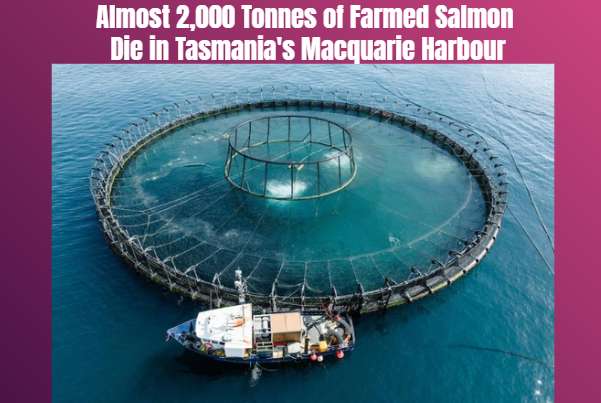
New industry data reveals nearly 2,000 tonnes of farmed salmon died over 15 months in Tasmania's Macquarie Harbour, raising fresh concerns about fish he...
Northern Territory Police have launched an investigation after a person died in a serious road crash in Alice Springs, prompting renewed attention to ro...
Northern Territory Police have charged a 22-year-old woman following two alleged incidents involving a pair of scissors in Nightcliff, including an atta...
Police arrested two teenage boys following an alleged incident involving weapons, property damage and attempted forced entry at a school in Alice Springs.
Northern Territory Police investigate a violent overnight disturbance involving up to 20 people, with reports of weapons, property damage and a vehicle...
The Tasmanian Government has begun approaching potential financial partners as concerns grow over the rising cost of the proposed Macquarie Point stadiu...
New analysis of the past 10 AFL national drafts finds nearly three-quarters of South Australian recruits attended private schools, while one public scho...
Large quantities of rubbish and potentially toxic building materials are being illegally dumped across Western Australia, raising concerns about environ...
Queensland Police establish an exclusion zone in the Western Downs town after a gas leak is reported, urging nearby residents to keep doors and windows...