Almost 2,000 Tonnes of Farmed Salmon Die in Tasmania's Macquarie Harbour
By Chloe · Published 13 Nov 2026 · Updated 13 Nov 2026
Strahan, TAS
Safety note: Admin approval is an initial review, not a guarantee that every detail is correct. Check important or urgent claims with official sources and report anything inaccurate or unsafe.
Source and credit: Contributor's own report
Almost 2,000 Tonnes of Farmed Salmon Die in Tasmania's Macquarie Harbour - Strahan, TAS
Smart summary
New industry data reveals nearly 2,000 tonnes of farmed salmon died over 15 months in Tasmania's Macquarie Harbour, raising fresh concerns about fish health and environmental conditions.
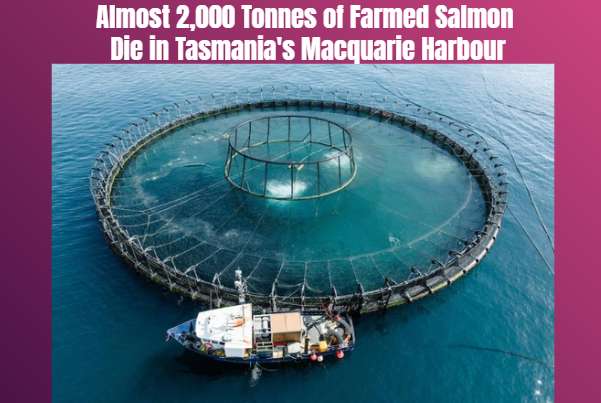
Almost 2,000 tonnes of farmed salmon died in Macquarie Harbour on Tasmania's west coast over a 15-month period, according to newly released environmental data that has raised concerns about fish farming practices and the condition of the harbour.
The figures were made public on Friday, 13 November 2026, following a Right to Information request submitted by conservation group Environment Tasmania to the Tasmanian Environment Protection Authority (EPA).
The data reveals that approximately 1,907 tonnes of farmed salmon died between October 2024 and December 2025. The figures cover salmon farms operating within Macquarie Harbour, an important coastal waterway on Tasmania's western coast.
The information was initially requested in December 2025. However, its public release was delayed after salmon farming companies sought reviews of the EPA's decision to disclose the information under Right to Information legislation.
Environment Tasmania has expressed concern about the scale of the reported deaths. Campaigners argue that the figures highlight the need for greater transparency and stronger environmental oversight of commercial salmon farming.
However, industry representatives have challenged the interpretation of the figures. Salmon Tasmania said the reported deaths represented fewer than eight per cent of the fish held in Macquarie Harbour during the relevant period.
The industry organisation also explained that fish mortality should be measured by counting the number of fish that die rather than calculating their combined weight. It argued that using the maximum permitted farming production to calculate a mortality rate would not provide an accurate comparison.
The released information does not identify the specific causes of the salmon deaths. Industry representatives said the harbour was not affected by the bacterial disease responsible for some mass mortality events at other salmon farming locations in Tasmania.
The development has also renewed attention on the environmental condition of Macquarie Harbour, which provides the only known natural habitat of the endangered Maugean skate.
Scientists have identified several environmental pressures affecting the species, including declining dissolved oxygen levels, aquaculture activities and climate-related influences.
Earlier in 2026, the EPA directed salmon farming companies to increase oxygen supplementation in the harbour to help offset the daily reduction in dissolved oxygen associated with fish farming operations.
The regulator confirmed that the industry had reached the required oxygenation level of 10.3 tonnes per day. Water quality conditions are continuing to be monitored.
Another important issue concerns the environmental licences held by salmon farming companies. The licences covering the three operators in Macquarie Harbour expired almost a year ago. However, because applications for renewal were submitted before their expiry, the companies can continue operating while the EPA assesses those applications.
The EPA says its assessment will consider environmental conditions and scientific information before decisions are made about future licences.
The latest figures have intensified public discussion about the balance between Tasmania's aquaculture industry, environmental protection and the survival of endangered marine wildlife.
Further regulatory decisions are expected after the environmental assessment is completed.
SalmonHarbourEnvironmentalFarmingTasmania
Almost 2,000 tonnes of farmed salmon died in Macquarie Harbour on Tasmania's west coast over a 15-month period, according to newly released environmental data that has raised concerns about fish farming practices and the condition of the harbour.
The figures were made public on Friday, 13 November 2026, following a Right to Information request submitted by conservation group Environment Tasmania to the Tasmanian Environment Protection Authority (EPA).
The data reveals that approximately 1,907 tonnes of farmed salmon died between October 2024 and December 2025. The figures cover salmon farms operating within Macquarie Harbour, an important coastal waterway on Tasmania's western coast.
The information was initially requested in December 2025. However, its public release was delayed after salmon farming companies sought reviews of the EPA's decision to disclose the information under Right to Information legislation.
Environment Tasmania has expressed concern about the scale of the reported deaths. Campaigners argue that the figures highlight the need for greater transparency and stronger environmental oversight of commercial salmon farming.
However, industry representatives have challenged the interpretation of the figures. Salmon Tasmania said the reported deaths represented fewer than eight per cent of the fish held in Macquarie Harbour during the relevant period.
The industry organisation also explained that fish mortality should be measured by counting the number of fish that die rather than calculating their combined weight. It argued that using the maximum permitted farming production to calculate a mortality rate would not provide an accurate comparison.
The released information does not identify the specific causes of the salmon deaths. Industry representatives said the harbour was not affected by the bacterial disease responsible for some mass mortality events at other salmon farming locations in Tasmania.
The development has also renewed attention on the environmental condition of Macquarie Harbour, which provides the only known natural habitat of the endangered Maugean skate.
Scientists have identified several environmental pressures affecting the species, including declining dissolved oxygen levels, aquaculture activities and climate-related influences.
Earlier in 2026, the EPA directed salmon farming companies to increase oxygen supplementation in the harbour to help offset the daily reduction in dissolved oxygen associated with fish farming operations.
The regulator confirmed that the industry had reached the required oxygenation level of 10.3 tonnes per day. Water quality conditions are continuing to be monitored.
Another important issue concerns the environmental licences held by salmon farming companies. The licences covering the three operators in Macquarie Harbour expired almost a year ago. However, because applications for renewal were submitted before their expiry, the companies can continue operating while the EPA assesses those applications.
The EPA says its assessment will consider environmental conditions and scientific information before decisions are made about future licences.
The latest figures have intensified public discussion about the balance between Tasmania's aquaculture industry, environmental protection and the survival of endangered marine wildlife.
Further regulatory decisions are expected after the environmental assessment is completed.
Queensland’s historic rainforest lodge welcomes overnight guests again after being destroyed in the 2019 bushfires, bringing renewed hope for tourism an...
Construction of the Australian Army’s new Landing Craft Heavy vessels has moved into the next phase, with the first steel cut marking progress on a majo...
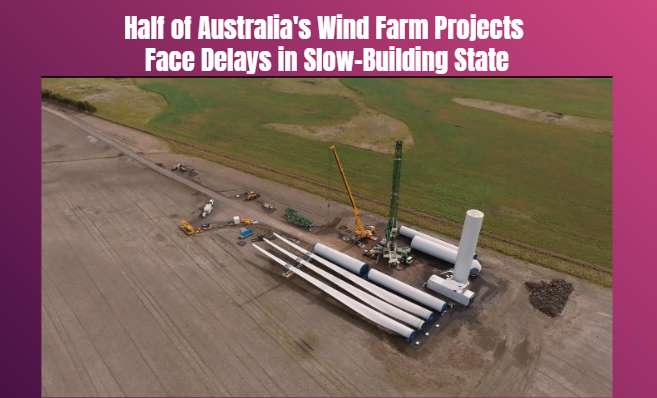
New figures highlight delays in Australia's wind energy development pipeline, raising concerns about construction timelines and the country's transition...
Operation Amarok 15 resulted in 1,594 charges, hundreds of apprehended domestic violence order breaches identified and dozens of firearms seized across...
Australia fell three points short at Murrayfield after a late comeback attempt, with Scotland holding on to secure an important home victory in the inte...
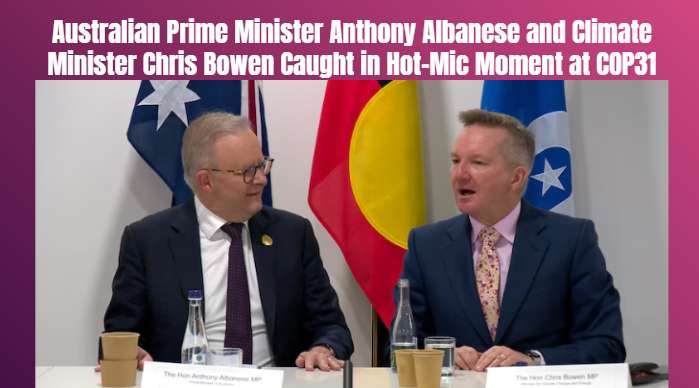
A private conversation between the two leaders was accidentally recorded during a break at the international climate summit in Türkiye, prompting widesp...
Australia delivers a dominant performance against Asian Cup champions Qatar in Doha, with Riley McGree, Tete Yengi and Nestory Irankunda scoring three f...
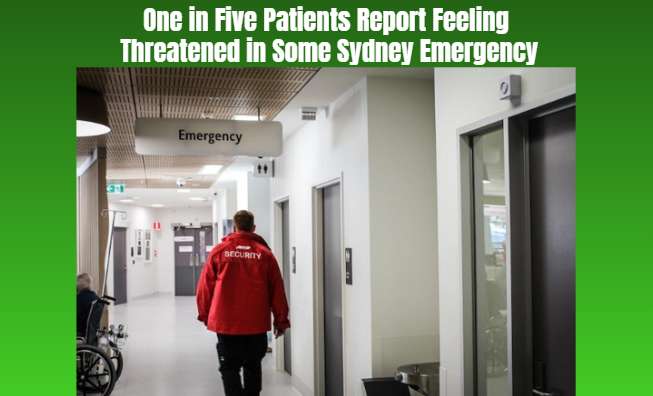
NSW patient survey findings highlight safety concerns in several major hospitals, as the state government commits additional security staff to emergency...
Police are investigating a daylight theft after three valuable trophies belonging to Australia's legendary racehorse were taken from an exhibition displ...
Operation Amarok 15 resulted in 1,594 charges, hundreds of apprehended domestic violence order breaches identified and dozens of firearms seized across...