Half of Australia's Wind Farm Projects Face Delays in Slow-Building State
By Chloe · Published 11 Nov 2026 · Updated 11 Nov 2026
Sydney, NSW · New South Wales News
Safety note: Admin approval is an initial review, not a guarantee that every detail is correct. Check important or urgent claims with official sources and report anything inaccurate or unsafe.
Source and credit: Contributor's own report
Half of Australia's Wind Farm Projects Face Delays in Slow-Building State - Sydney, NSW
Smart summary
New figures highlight delays in Australia's wind energy development pipeline, raising concerns about construction timelines and the country's transition towards renewable electricity.
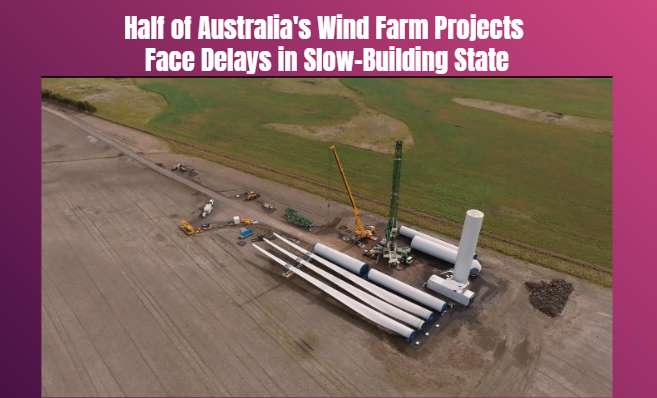
Queensland is facing challenges in developing its proposed wind energy projects, despite holding approximately half of Australia's proposed onshore wind capacity. A report published by the Australian Broadcasting Corporation (ABC) on Wednesday, 11 November 2026, highlights how the state has become the slowest in Australia to progress wind farm construction.
The findings draw attention to an important challenge in Australia's renewable energy transition. Although Queensland has significant potential for wind energy, turning proposed projects into operating wind farms has proved difficult.
Wind energy is an important part of Australia's plans to increase renewable electricity generation and reduce dependence on fossil fuels. Large wind turbines convert natural wind into electricity, which can then be supplied to homes, businesses and industrial facilities.
Queensland's large proposed project pipeline suggests that the state could play a major role in the country's future energy supply. However, having a large number of proposed projects does not automatically mean that construction will begin quickly.
According to the ABC report, policy uncertainty and community concerns are among the key challenges affecting the development of wind farms in Queensland. These issues can make it more difficult for developers to move projects through planning, consultation and construction stages.
Community support is particularly important for large renewable energy developments. Wind farms can change the appearance of rural landscapes and may raise questions about land use, environmental impacts, noise and the interests of nearby residents. Developers and authorities need to consider these concerns when planning new projects.
Government policies also influence how quickly renewable energy investments progress. Clear planning processes, consistent regulations and reliable project approvals can help provide greater certainty for developers and investors.
The slow progress of wind farm construction could affect the timing of Queensland's contribution to Australia's renewable energy targets. Delays in developing new generation capacity may also create challenges for future electricity planning as demand changes and older energy infrastructure is replaced.
Queensland's renewable energy industry therefore faces the task of balancing development opportunities with environmental considerations and community expectations.
The latest findings highlight the difference between having renewable energy projects proposed and successfully delivering them. While Queensland has considerable wind energy potential, the pace of actual construction remains an important issue.
The report brings renewed attention to the need for effective planning, transparent consultation and stronger coordination between governments, developers and local communities.
WindEnergyProjectsQueenslandRenewable
Queensland is facing challenges in developing its proposed wind energy projects, despite holding approximately half of Australia's proposed onshore wind capacity. A report published by the Australian Broadcasting Corporation (ABC) on Wednesday, 11 November 2026, highlights how the state has become the slowest in Australia to progress wind farm construction.
The findings draw attention to an important challenge in Australia's renewable energy transition. Although Queensland has significant potential for wind energy, turning proposed projects into operating wind farms has proved difficult.
Wind energy is an important part of Australia's plans to increase renewable electricity generation and reduce dependence on fossil fuels. Large wind turbines convert natural wind into electricity, which can then be supplied to homes, businesses and industrial facilities.
Queensland's large proposed project pipeline suggests that the state could play a major role in the country's future energy supply. However, having a large number of proposed projects does not automatically mean that construction will begin quickly.
According to the ABC report, policy uncertainty and community concerns are among the key challenges affecting the development of wind farms in Queensland. These issues can make it more difficult for developers to move projects through planning, consultation and construction stages.
Community support is particularly important for large renewable energy developments. Wind farms can change the appearance of rural landscapes and may raise questions about land use, environmental impacts, noise and the interests of nearby residents. Developers and authorities need to consider these concerns when planning new projects.
Government policies also influence how quickly renewable energy investments progress. Clear planning processes, consistent regulations and reliable project approvals can help provide greater certainty for developers and investors.
The slow progress of wind farm construction could affect the timing of Queensland's contribution to Australia's renewable energy targets. Delays in developing new generation capacity may also create challenges for future electricity planning as demand changes and older energy infrastructure is replaced.
Queensland's renewable energy industry therefore faces the task of balancing development opportunities with environmental considerations and community expectations.
The latest findings highlight the difference between having renewable energy projects proposed and successfully delivering them. While Queensland has considerable wind energy potential, the pace of actual construction remains an important issue.
The report brings renewed attention to the need for effective planning, transparent consultation and stronger coordination between governments, developers and local communities.
Queensland’s historic rainforest lodge welcomes overnight guests again after being destroyed in the 2019 bushfires, bringing renewed hope for tourism an...
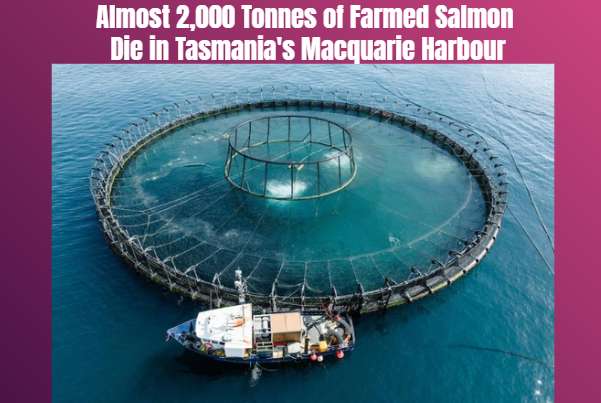
New industry data reveals nearly 2,000 tonnes of farmed salmon died over 15 months in Tasmania's Macquarie Harbour, raising fresh concerns about fish he...
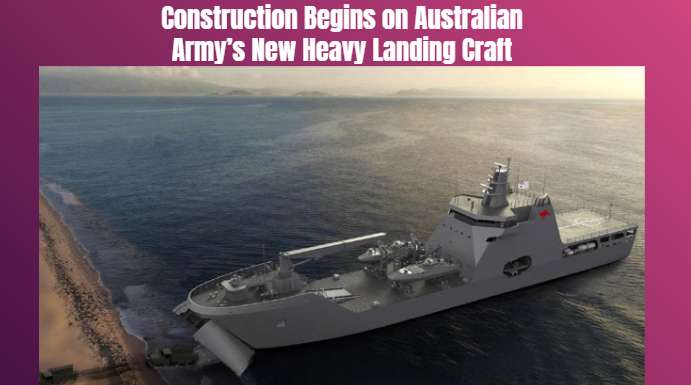
Construction of the Australian Army’s new Landing Craft Heavy vessels has moved into the next phase, with the first steel cut marking progress on a majo...
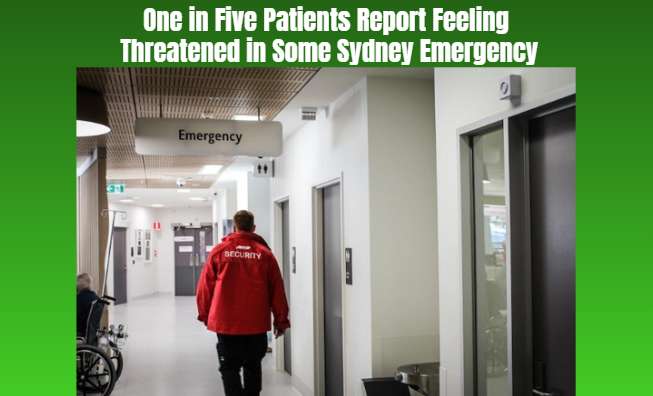
NSW patient survey findings highlight safety concerns in several major hospitals, as the state government commits additional security staff to emergency...
New government figures show a decline in the country's illicit tobacco market following record seizures and increased enforcement by Australian Border F...
A major Microsoft service disruption affected millions of users worldwide, interrupting email, workplace communication, healthcare administration and bu...
New battery-powered trailer technology is attracting attention in Australia's transport industry, with the potential to reduce fuel consumption, operati...
NSW patient survey findings highlight safety concerns in several major hospitals, as the state government commits additional security staff to emergency...
Police are investigating a daylight theft after three valuable trophies belonging to Australia's legendary racehorse were taken from an exhibition displ...
Operation Amarok 15 resulted in 1,594 charges, hundreds of apprehended domestic violence order breaches identified and dozens of firearms seized across...