Tech Giants Face Billions in Potential Fines Under Australia's New Online Safety Deal
By Chloe · Published 24 Nov 2026 · Updated 24 Nov 2026
Canberra, ACT · ACT News
Safety note: Admin approval is an initial review, not a guarantee that every detail is correct. Check important or urgent claims with official sources and report anything inaccurate or unsafe.
Source and credit: Contributor's own report
Tech Giants Face Billions in Potential Fines Under Australia's New Online Safety Deal - Canberra, ACT
Smart summary
The Albanese government and the Greens have reached an agreement on stronger digital duty-of-care laws. Major technology companies could face penalties of up to 5 per cent of their global revenue if they fail to preve...
Australia's federal government has reached a significant agreement with the Greens to strengthen online safety laws and make major technology companies more accountable for harmful content and platform designs.
The agreement was announced on November 24, 2026, following negotiations between the Labor government and the Australian Greens. The proposed changes are part of the country's digital duty-of-care legislation, which aims to require major online platforms to take greater responsibility for foreseeable harm caused through their services.
Under the agreement, technology companies could face financial penalties of up to 5 per cent of their global revenue if they breach their digital duty-of-care obligations. For multinational companies generating billions of dollars annually, the proposed penalties could amount to substantial financial consequences.
One of the most important changes is that Australians would gain the right to take legal action against social media companies when they breach their duty of care and cause harm. This would give affected individuals a potential avenue to seek compensation rather than relying exclusively on government enforcement.
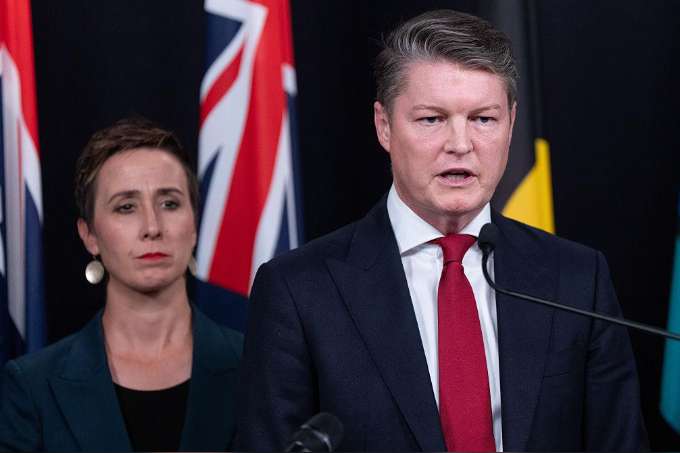
Greens leader David Shoebridge welcomed the agreement, describing it as an important development in holding large technology companies accountable. Greens communications spokesperson Sarah Hanson-Young also argued that companies should face meaningful financial consequences when their platforms fail to protect users.
The agreement also includes plans for an independent digital complaints ombudsman. The proposed office would provide Australians with an additional avenue to raise complaints and seek assistance when dealing with online platforms.
Another major focus is the design of social media applications. Communications Minister Anika Wells said companies would be expected to examine potentially addictive features as part of their risk assessments.
These features include endless scrolling, popularity indicators and other design elements that encourage users to spend extended periods online.
According to the government, technology companies will receive a 12-month transition period to consider these design risks and meet the relevant requirements.
The proposed changes are particularly significant for younger internet users, parents and families concerned about cyberbullying, harmful content, online exploitation and excessive social media use.
Australia has already introduced major changes to online safety regulation, including restrictions on social media access for children under 16. The new agreement represents another step towards strengthening the responsibilities of companies operating digital platforms.
Large technology businesses, including Meta, Tik Tok and Snapchat, could be affected by the proposed obligations, depending on the final legislation and its application.
The agreement was reached after negotiations in which the government needed Greens support to secure the legislation's passage through Parliament. The parties agreed to stronger penalties, individual legal rights and additional protections relating to platform design.
The legislation still needs to proceed through the parliamentary process before the proposed measures become law.
The announcement is expected to generate further discussion among technology companies, digital rights organisations, parents and policymakers.
For Australian internet users, the proposed reforms could significantly change how social media platforms respond to complaints, manage harmful content and assess the risks associated with their products.
The outcome could also influence international discussions about technology regulation, as governments around the world consider stronger legal responsibilities for major digital platforms.
CompaniesAgreementOnlineProposedTechnology
Australia's federal government has reached a significant agreement with the Greens to strengthen online safety laws and make major technology companies more accountable for harmful content and platform designs.
The agreement was announced on November 24, 2026, following negotiations between the Labor government and the Australian Greens. The proposed changes are part of the country's digital duty-of-care legislation, which aims to require major online platforms to take greater responsibility for foreseeable harm caused through their services.
Under the agreement, technology companies could face financial penalties of up to 5 per cent of their global revenue if they breach their digital duty-of-care obligations. For multinational companies generating billions of dollars annually, the proposed penalties could amount to substantial financial consequences.
One of the most important changes is that Australians would gain the right to take legal action against social media companies when they breach their duty of care and cause harm. This would give affected individuals a potential avenue to seek compensation rather than relying exclusively on government enforcement.
Greens leader David Shoebridge welcomed the agreement, describing it as an important development in holding large technology companies accountable. Greens communications spokesperson Sarah Hanson-Young also argued that companies should face meaningful financial consequences when their platforms fail to protect users.
The agreement also includes plans for an independent digital complaints ombudsman. The proposed office would provide Australians with an additional avenue to raise complaints and seek assistance when dealing with online platforms.
Another major focus is the design of social media applications. Communications Minister Anika Wells said companies would be expected to examine potentially addictive features as part of their risk assessments.
These features include endless scrolling, popularity indicators and other design elements that encourage users to spend extended periods online.
According to the government, technology companies will receive a 12-month transition period to consider these design risks and meet the relevant requirements.
The proposed changes are particularly significant for younger internet users, parents and families concerned about cyberbullying, harmful content, online exploitation and excessive social media use.
Australia has already introduced major changes to online safety regulation, including restrictions on social media access for children under 16. The new agreement represents another step towards strengthening the responsibilities of companies operating digital platforms.
Large technology businesses, including Meta, Tik Tok and Snapchat, could be affected by the proposed obligations, depending on the final legislation and its application.
The agreement was reached after negotiations in which the government needed Greens support to secure the legislation's passage through Parliament. The parties agreed to stronger penalties, individual legal rights and additional protections relating to platform design.
The legislation still needs to proceed through the parliamentary process before the proposed measures become law.
The announcement is expected to generate further discussion among technology companies, digital rights organisations, parents and policymakers.
For Australian internet users, the proposed reforms could significantly change how social media platforms respond to complaints, manage harmful content and assess the risks associated with their products.
The outcome could also influence international discussions about technology regulation, as governments around the world consider stronger legal responsibilities for major digital platforms.
Snowy Hydro has appointed former NSW Transport chief Rodd Staples as the new chief delivery officer for its Snowy 2.0 project. The appointment comes aft...
Political experts believe Victoria's Labor government could face a major electoral defeat as voter dissatisfaction, regional concerns and the growing po...
Farmers opposing the controversial VNI West electricity transmission project face escalating penalties, including possible licence suspensions and vehic...
The Tasmanian Government has begun approaching potential financial partners as concerns grow over the rising cost of the proposed Macquarie Point stadiu...
Uncovered an Iran-based influence operation that allegedly used artificial intelligence to create a fake journalist and publish misleading articles and...
Emergency authorities are investigating a four-minute disruption to Australia's Triple Zero emergency number in Canberra, raising concerns about access...
More than 200 Australian Defence Force Academy participants took part in a 42-hour remembrance march, recognising fallen service members and supporting...
Prime Minister Anthony Albanese is meeting Philippine President Ferdinand Marcos Jr in Manila following a new defence cooperation agreement focused on m...
A woman aged 46 and a man in his 60s died after an SUV and a van collided near Ulmarra on the NSW North Coast. Police have established a critical incide...
Two Australians are facing legal proceedings in Thailand over an alleged multimillion-dollar investment fraud involving approximately $1.9 million, rais...
An Australian-owned energy company has developed a compact nuclear microreactor that reached a major testing milestone in just 155 days in the United St...
Uncovered an Iran-based influence operation that allegedly used artificial intelligence to create a fake journalist and publish misleading articles and...