Safety note: Admin approval is an initial review, not a guarantee that every detail is correct. Check important or urgent claims with official sources and report anything inaccurate or unsafe.
Source and credit: Contributor's own report
Queensland Coroner Investigates Whether Authorities Could Have Prevented Elizabeth Struhs’s Death - Brisbane, QLD
Smart summary
A Queensland inquest has begun examining whether government agencies could have better protected eight-year-old Elizabeth Struhs, who died in 2022 after her insulin treatment was stopped by her parents because of thei...
A Queensland coroner has begun an inquest into the death of Elizabeth Struhs, examining whether government agencies could have intervened more effectively to protect the eight-year-old girl before she died in January 2022.
The hearing opened in Brisbane on 12 October 2026. Coroner Ainslie Kirkegaard is examining the involvement of several government departments and whether opportunities to identify and respond to risks to Elizabeth were missed.
Elizabeth died from diabetic ketoacidosis after her insulin injections were stopped. The inquest follows the criminal proceedings against members of her family and a fringe religious group who rejected conventional medical treatment and believed in the healing power of God.
Her parents, Jason and Kerrie Struhs, were convicted of manslaughter in 2025. The criminal trial heard that the group opposed the healthcare system and the use of medication. The new inquest is not a retrial of those convictions; its focus is on the actions and responsibilities of public agencies in the period before Elizabeth’s death.
At the opening of the hearing, the coroner acknowledged Elizabeth’s older sister, Jayde Struhs, who had been estranged from the family at the time of the child’s death. The coroner recognised the pain of losing a family member while facing intense public scrutiny and said the proceedings would explore whether Elizabeth could have been better protected.
Thirty witnesses are expected to give evidence over approximately two weeks. They include representatives from Queensland’s child safety, health, education, corrective services and police agencies. Most witnesses have had their identities legally suppressed.
One of the first issues examined was a report made to child safety authorities in 2013, several years before Elizabeth’s death. The report raised concerns about the family’s religious environment, including possible controlling beliefs, isolation and restrictions affecting the children.
A witness from the child safety department explained that the information was recorded as a Child Concern Report. This was a lower-level response and did not automatically trigger a formal investigation. A more serious Child Safety Notification was required to initiate that process.
The witness told the inquest that, even with hindsight, the information in the report did not meet the threshold for escalation because it did not establish that a child had been harmed or was at risk of harm. The hearing is examining how such decisions were made and whether the relevant procedures were adequate.
The inquest is expected to consider the communication between agencies, the information available to officials and the ways child protection concerns were assessed. Its findings may help identify whether changes are needed to prevent similar tragedies.
The proceedings are also an opportunity to hear how Elizabeth is remembered by her family, beyond the circumstances of her death. The coroner welcomed her sister’s contribution and acknowledged the importance of recognising Elizabeth as a child whose life had meaning beyond the legal case. The inquest continues, and no final findings have yet been made about whether government agencies could have prevented Elizabeth’s death.
ElizabethChildDeathWhetherCoroner
A Queensland coroner has begun an inquest into the death of Elizabeth Struhs, examining whether government agencies could have intervened more effectively to protect the eight-year-old girl before she died in January 2022.
The hearing opened in Brisbane on 12 October 2026. Coroner Ainslie Kirkegaard is examining the involvement of several government departments and whether opportunities to identify and respond to risks to Elizabeth were missed.
Elizabeth died from diabetic ketoacidosis after her insulin injections were stopped. The inquest follows the criminal proceedings against members of her family and a fringe religious group who rejected conventional medical treatment and believed in the healing power of God.
Her parents, Jason and Kerrie Struhs, were convicted of manslaughter in 2025. The criminal trial heard that the group opposed the healthcare system and the use of medication. The new inquest is not a retrial of those convictions; its focus is on the actions and responsibilities of public agencies in the period before Elizabeth’s death.
At the opening of the hearing, the coroner acknowledged Elizabeth’s older sister, Jayde Struhs, who had been estranged from the family at the time of the child’s death. The coroner recognised the pain of losing a family member while facing intense public scrutiny and said the proceedings would explore whether Elizabeth could have been better protected.
Thirty witnesses are expected to give evidence over approximately two weeks. They include representatives from Queensland’s child safety, health, education, corrective services and police agencies. Most witnesses have had their identities legally suppressed.
One of the first issues examined was a report made to child safety authorities in 2013, several years before Elizabeth’s death. The report raised concerns about the family’s religious environment, including possible controlling beliefs, isolation and restrictions affecting the children.
A witness from the child safety department explained that the information was recorded as a Child Concern Report. This was a lower-level response and did not automatically trigger a formal investigation. A more serious Child Safety Notification was required to initiate that process.
The witness told the inquest that, even with hindsight, the information in the report did not meet the threshold for escalation because it did not establish that a child had been harmed or was at risk of harm. The hearing is examining how such decisions were made and whether the relevant procedures were adequate.
The inquest is expected to consider the communication between agencies, the information available to officials and the ways child protection concerns were assessed. Its findings may help identify whether changes are needed to prevent similar tragedies.
The proceedings are also an opportunity to hear how Elizabeth is remembered by her family, beyond the circumstances of her death. The coroner welcomed her sister’s contribution and acknowledged the importance of recognising Elizabeth as a child whose life had meaning beyond the legal case. The inquest continues, and no final findings have yet been made about whether government agencies could have prevented Elizabeth’s death.
Tobias Moran has launched civil proceedings against New South Wales Police, alleging malicious prosecution after he was charged over the 2005 death of h...
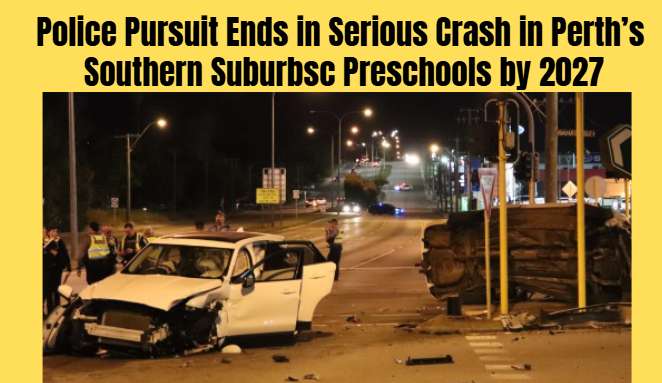
One person was taken to hospital with critical-priority injuries and another was taken into custody after a police pursuit ended in a serious multi-vehi...
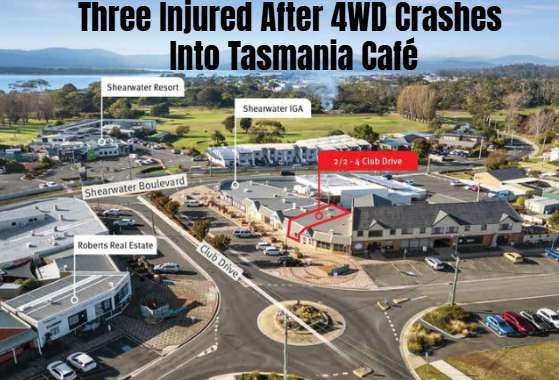
Two people were seriously injured when a four-wheel-drive vehicle crashed through the front of a café in Shearwater, near Devonport. Police are investig...
Police are investigating a suspicious death in Alpurrurulam, near the Queensland border, as detectives and forensic officers travel to the remote commun...
Queensland Rail reopened the affected tracks early Monday after a freight train derailed near Marlborough, while rail safety investigators examine the c...
Queensland recorded 4,110 accepted mental injury compensation claims in the latest financial year, a 108 per cent increase since 2021–22, raising questi...
Unseasonably wet, cool conditions are expected to continue in Far North Queensland through spring, while much of the state faces below-average rainfall...
Australian rock band Powderfinger has confirmed it is reuniting 16 years after announcing its split, bringing one of the country's best-known music acts...
A new report warns that rising rents, electricity bills, transport costs and food prices are placing severe pressure on households across the Northern T...
Tobias Moran has launched civil proceedings against New South Wales Police, alleging malicious prosecution after he was charged over the 2005 death of h...
An infant girl was flown to a Melbourne hospital with life-threatening injuries after being hit by a car in Smythesdale, west of Ballarat. Police are in...
One person was taken to hospital with critical-priority injuries and another was taken into custody after a police pursuit ended in a serious multi-vehi...