Safety note: Admin approval is an initial review, not a guarantee that every detail is correct. Check important or urgent claims with official sources and report anything inaccurate or unsafe.
Source and credit: Contributor's own report
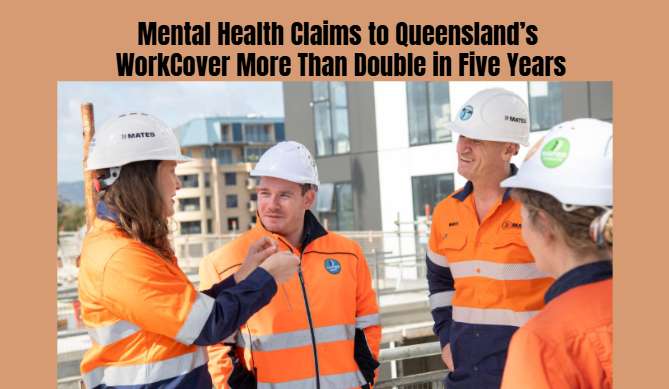
Mental Health Claims to Queensland’s Work Cover More Than Double in Five Years - Brisbane, QLD
Smart summary
Queensland recorded 4,110 accepted mental injury compensation claims in the latest financial year, a 108 per cent increase since 2021–22, raising questions about workplace pressures and the future of workers’ compensa...
The number of workers receiving compensation for mental health injuries in Queensland has more than doubled over five years, according to figures from the state’s Work Cover annual report. The increase has prompted concern among unions and legal professionals about the pressures facing employees and the potential implications for the workers’ compensation system.
Work Cover Queensland accepted 4,110 mental injury claims during the latest financial year, compared with 1,974 claims in 2021–22. This represents an increase of 108 per cent over the five-year period. The figures cover accepted claims for psychological injuries associated with work, rather than every employee experiencing mental health difficulties.
Mental injury claims can involve conditions such as post-traumatic stress disorder, depression, anxiety and adjustment disorders. Psychological injuries may also arise following a physical workplace injury or exposure to traumatic events while performing a job.
Alison Barrett, a workers’ compensation lawyer with Maurice Blackburn, said psychological injury claims were increasing across Australia, not just in Queensland. She identified workplace hazards such as excessive workloads, occupational violence, aggression, bullying and harassment as potential contributors.
Unions have also expressed concern about the conditions experienced by frontline workers. Jacqueline King, general secretary of the Queensland Council of Unions and a former Work Cover deputy chair, said employees in areas including healthcare, education, policing, corrective services, youth justice and child safety were facing increasing exposure to violence, trauma and heavy workloads.
The financial and personal consequences can be substantial. Work Cover’s annual report found that workers with mental injuries were less likely to return to work than those with physical injuries. The reported return-to-work rate was 71.4 per cent for workers with mental injuries, compared with 93.2 per cent for those with physical injuries.
The report also showed that mental injury claims involved longer periods away from work. The average was 123 paid days annually for mental injuries, compared with 47 days for physical injuries. Mental injury claims accounted for $334 million in payouts, with an average claim cost of $25,138.
The rising figures have raised questions about whether Queensland’s compensation arrangements will remain financially sustainable. An independent review of the Work Cover scheme is underway, with its findings expected in the second half of 2026. The review is examining the increase in psychological injury claims and whether changes to the system may be required.
Unions and lawyers are concerned that tighter eligibility rules could make it harder for injured workers to receive compensation. They argue that policy responses should also address the workplace conditions contributing to psychological injuries, rather than concentrating solely on reducing claims.
The figures do not, by themselves, establish one cause for the increase. Greater awareness and willingness to report mental health conditions may also influence claim numbers. However, the data highlight the importance of workplace prevention, timely support and appropriate treatment for employees experiencing psychological harm.
The outcome of the independent review could influence how Queensland balances access to compensation with the long-term sustainability of the scheme. Its findings are expected to help inform the next steps for employers, workers, unions and the state government.
MentalClaimsInjuriesWorkWorkers
The number of workers receiving compensation for mental health injuries in Queensland has more than doubled over five years, according to figures from the state’s Work Cover annual report. The increase has prompted concern among unions and legal professionals about the pressures facing employees and the potential implications for the workers’ compensation system.
Work Cover Queensland accepted 4,110 mental injury claims during the latest financial year, compared with 1,974 claims in 2021–22. This represents an increase of 108 per cent over the five-year period. The figures cover accepted claims for psychological injuries associated with work, rather than every employee experiencing mental health difficulties.
Mental injury claims can involve conditions such as post-traumatic stress disorder, depression, anxiety and adjustment disorders. Psychological injuries may also arise following a physical workplace injury or exposure to traumatic events while performing a job.
Alison Barrett, a workers’ compensation lawyer with Maurice Blackburn, said psychological injury claims were increasing across Australia, not just in Queensland. She identified workplace hazards such as excessive workloads, occupational violence, aggression, bullying and harassment as potential contributors.
Unions have also expressed concern about the conditions experienced by frontline workers. Jacqueline King, general secretary of the Queensland Council of Unions and a former Work Cover deputy chair, said employees in areas including healthcare, education, policing, corrective services, youth justice and child safety were facing increasing exposure to violence, trauma and heavy workloads.
The financial and personal consequences can be substantial. Work Cover’s annual report found that workers with mental injuries were less likely to return to work than those with physical injuries. The reported return-to-work rate was 71.4 per cent for workers with mental injuries, compared with 93.2 per cent for those with physical injuries.
The report also showed that mental injury claims involved longer periods away from work. The average was 123 paid days annually for mental injuries, compared with 47 days for physical injuries. Mental injury claims accounted for $334 million in payouts, with an average claim cost of $25,138.
The rising figures have raised questions about whether Queensland’s compensation arrangements will remain financially sustainable. An independent review of the Work Cover scheme is underway, with its findings expected in the second half of 2026. The review is examining the increase in psychological injury claims and whether changes to the system may be required.
Unions and lawyers are concerned that tighter eligibility rules could make it harder for injured workers to receive compensation. They argue that policy responses should also address the workplace conditions contributing to psychological injuries, rather than concentrating solely on reducing claims.
The figures do not, by themselves, establish one cause for the increase. Greater awareness and willingness to report mental health conditions may also influence claim numbers. However, the data highlight the importance of workplace prevention, timely support and appropriate treatment for employees experiencing psychological harm.
The outcome of the independent review could influence how Queensland balances access to compensation with the long-term sustainability of the scheme. Its findings are expected to help inform the next steps for employers, workers, unions and the state government.
A Royal Hobart Hospital nurse says she was left shaken after a group of young men chased and yelled at her as she walked to her car after a late shift....
Ambulance crews in Bairnsdale have reportedly spent several hours waiting to transfer patients into hospital care, prompting concerns from the Victorian...
Unseasonably wet, cool conditions are expected to continue in Far North Queensland through spring, while much of the state faces below-average rainfall...
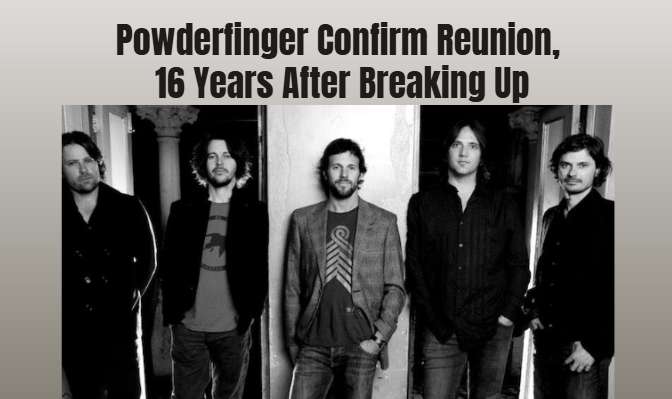
Australian rock band Powderfinger has confirmed it is reuniting 16 years after announcing its split, bringing one of the country's best-known music acts...
A 47-year-old woman has been charged with two counts of attempted murder after police alleged she exposed two boys to a noxious substance at a home in B...
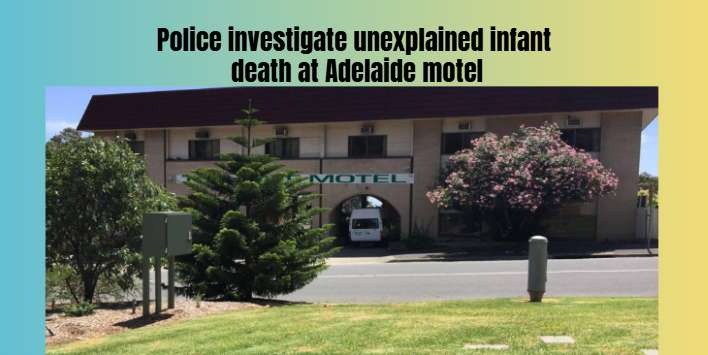
South Australian Police are investigating an infant’s unexplained death at the Tollgate Motel in Glen Osmond, with crime-scene investigators and Eastern...
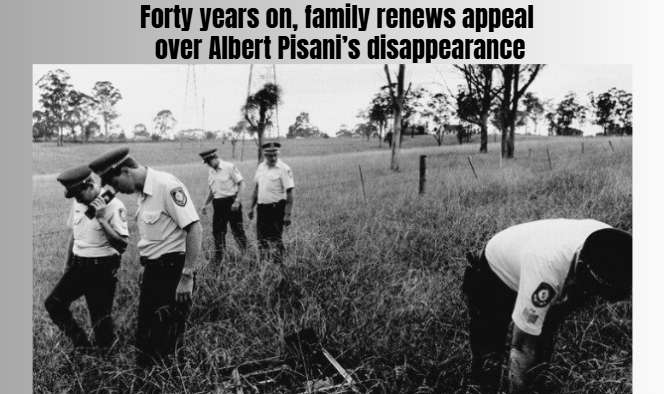
Victoria Police are renewing their appeal for information about the disappearance and suspected killing of Gippsland father Albert Pisani, whose remains...
Australian golfing champion Graham Marsh has returned to his birthplace for the WA PGA Championship, reflecting on the distinctive desert course he help...
Rising rents and living costs are pushing more people, including working families and older Australians, towards homelessness, according to Western Aust...