Australian Activist Imprisoned in Vietnam Tells Family He Is “Terrified”
By Chloe · Published 19 Oct 2026 · Updated 19 Oct 2026
National, ACT
Safety note: Admin approval is an initial review, not a guarantee that every detail is correct. Check important or urgent claims with official sources and report anything inaccurate or unsafe.
Source and credit: Contributor's own report
Australian Activist Imprisoned in Vietnam Tells Family He Is “Terrified” - National, ACT
Smart summary
An Australian activist detained in Vietnam has reportedly told his family that he is frightened, renewing concerns about his welfare and circumstances in custody.
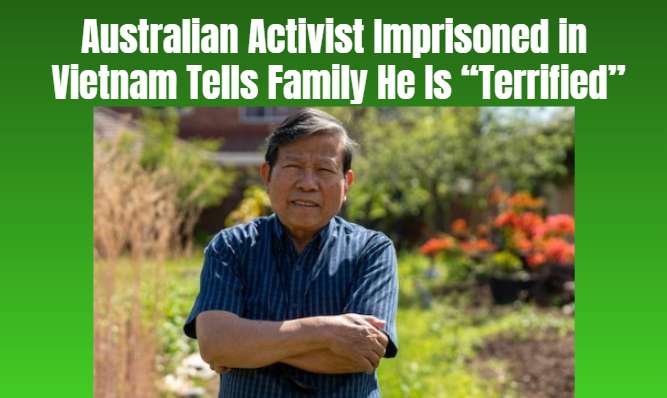
Australian pro-democracy activist Hiep Tran has sent a message to his family from detention in Vietnam, saying he did not enter the country voluntarily and is struggling with fear and psychological distress. The development was reported by ABC News on 19 October 2026 and has renewed concerns about his treatment and the circumstances surrounding his detention.
ABC News
Tran, a Melbourne resident involved in pro-democracy advocacy, disappeared while travelling in Cambodia in September. His family and supporters subsequently raised concerns about his whereabouts. Vietnamese authorities later confirmed that he was being held in Ho Chi Minh City and accused him and two other men of attempting to enter Vietnam illegally to engage in alleged terrorist and sabotage activities.
Tran disputes the official account. In a message relayed to his wife, Chloe Dang, he said he had never crossed the border into Vietnam on his own. His supporters argue that the message strengthens their allegation that he was forcibly taken from Cambodia. These allegations remain disputed: Vietnam's embassy has rejected claims of kidnapping as unfounded and says arrests and prosecutions are conducted under Vietnamese law.
ABC News
Australian consular officials were able to meet Tran at the B34 detention centre in Ho Chi Minh City. His wife said officials told her he appeared to be in a fragile mental state and was experiencing irregular blood pressure. During the visit, officials reportedly delivered fresh clothes and passed on messages from his family. They also showed him a family photograph, although he was not permitted to keep it.
The case has drawn attention from human-rights advocates and Vietnamese community groups in Australia. Supporters say the circumstances of the disappearance require a transparent investigation and are calling for the Australian government to continue pressing for his welfare and safe return. Candlelight vigils have been held in Sydney, with further support being organised in Melbourne.
ABC News
Tran is associated with Viet Tan, an overseas Vietnamese pro-democracy organisation that advocates political change. Vietnam's government classifies the group as a terrorist organisation, while supporters and human-rights advocates describe its current activities as peaceful political advocacy. This disagreement forms part of the wider context of the case.
Australia is providing consular assistance to Tran's family. However, securing access to a detained citizen and obtaining clear information about criminal allegations can be difficult when a case involves another country's legal system and national-security claims.
The immediate concerns are Tran's physical and mental wellbeing, access to legal information, and the circumstances in which he was detained. The competing accounts have not been independently resolved, and the allegations against him should not be treated as proven.
The case highlights the challenges governments face when citizens are detained overseas amid disputed political and security allegations. Tran's family continues to seek his safe return, while supporters are urging further diplomatic engagement and transparency.
TranFamilyVietnamSupportersAllegations
Australian pro-democracy activist Hiep Tran has sent a message to his family from detention in Vietnam, saying he did not enter the country voluntarily and is struggling with fear and psychological distress. The development was reported by ABC News on 19 October 2026 and has renewed concerns about his treatment and the circumstances surrounding his detention.
ABC News
Tran, a Melbourne resident involved in pro-democracy advocacy, disappeared while travelling in Cambodia in September. His family and supporters subsequently raised concerns about his whereabouts. Vietnamese authorities later confirmed that he was being held in Ho Chi Minh City and accused him and two other men of attempting to enter Vietnam illegally to engage in alleged terrorist and sabotage activities.
Tran disputes the official account. In a message relayed to his wife, Chloe Dang, he said he had never crossed the border into Vietnam on his own. His supporters argue that the message strengthens their allegation that he was forcibly taken from Cambodia. These allegations remain disputed: Vietnam's embassy has rejected claims of kidnapping as unfounded and says arrests and prosecutions are conducted under Vietnamese law.
ABC News
Australian consular officials were able to meet Tran at the B34 detention centre in Ho Chi Minh City. His wife said officials told her he appeared to be in a fragile mental state and was experiencing irregular blood pressure. During the visit, officials reportedly delivered fresh clothes and passed on messages from his family. They also showed him a family photograph, although he was not permitted to keep it.
The case has drawn attention from human-rights advocates and Vietnamese community groups in Australia. Supporters say the circumstances of the disappearance require a transparent investigation and are calling for the Australian government to continue pressing for his welfare and safe return. Candlelight vigils have been held in Sydney, with further support being organised in Melbourne.
ABC News
Tran is associated with Viet Tan, an overseas Vietnamese pro-democracy organisation that advocates political change. Vietnam's government classifies the group as a terrorist organisation, while supporters and human-rights advocates describe its current activities as peaceful political advocacy. This disagreement forms part of the wider context of the case.
Australia is providing consular assistance to Tran's family. However, securing access to a detained citizen and obtaining clear information about criminal allegations can be difficult when a case involves another country's legal system and national-security claims.
The immediate concerns are Tran's physical and mental wellbeing, access to legal information, and the circumstances in which he was detained. The competing accounts have not been independently resolved, and the allegations against him should not be treated as proven.
The case highlights the challenges governments face when citizens are detained overseas amid disputed political and security allegations. Tran's family continues to seek his safe return, while supporters are urging further diplomatic engagement and transparency.
Australian chickpea prices have climbed from around $600 to nearly $1,000 per tonne in some regions, as overseas buyers rush to secure supplies ahead of...
The United Firefighters Union’s Victorian branch is pursuing unpaid $644 levies from members to help cover legal expenses, sparking criticism from some...
Ten public schools will trial restrictions on classroom screen time for younger students from Term 1, 2027, as the state looks to strengthen face-to-fac...
A new report warns that rising rents, electricity bills, transport costs and food prices are placing severe pressure on households across the Northern T...
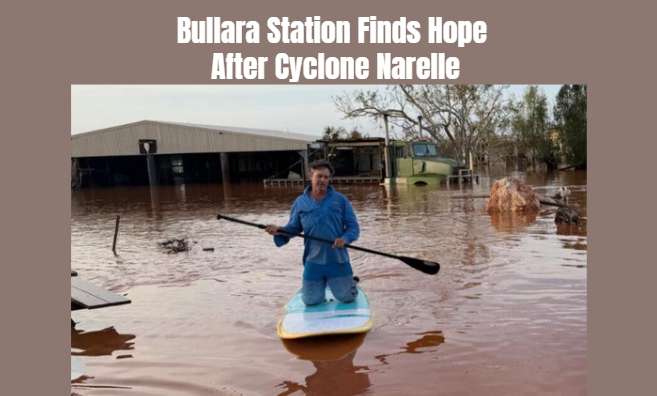
A remote Western Australian station is looking for positives after Cyclone Narelle brought damaging weather, highlighting the resilience of regional com...
Small-scale flower growers and local entrepreneurs in Western Australia's Kimberley region are stepping in to meet demand after the town's main florist...
Two Greenpeace activists have been charged after allegedly climbing onto Woodside’s Scarborough offshore gas platform, around 200 kilometres off Western...
A teenager has been charged after multiple shots were fired at a house in Perth’s eastern suburbs. Three people were inside the property, but no injurie...
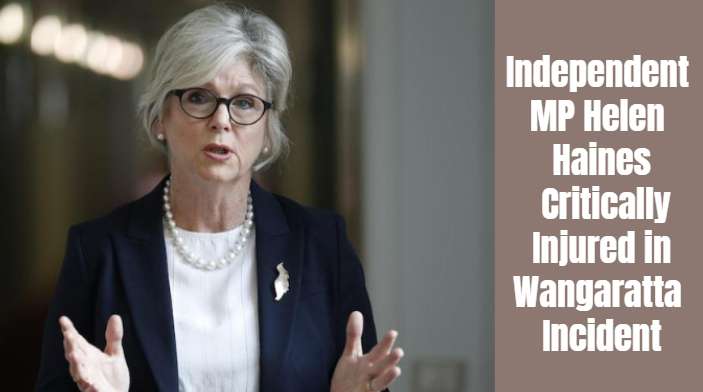
Victoria Police have arrested a man after federal independent MP Helen Haines was struck by a vehicle outside her electorate office in regional Victoria...
A remote Western Australian station is looking for positives after Cyclone Narelle brought damaging weather, highlighting the resilience of regional com...
Northern Territory authorities are urging residents to prepare early for another potentially severe wet season, with cyclones, flooding and dangerous st...