Brooms Head Caravan Park Residents Win Case Against Council
By Chloe · Published 19 Oct 2026 · Updated 19 Oct 2026
Brooms Head, NSW
Safety note: Admin approval is an initial review, not a guarantee that every detail is correct. Check important or urgent claims with official sources and report anything inaccurate or unsafe.
Source and credit: Contributor's own report
Brooms Head Caravan Park Residents Win Case Against Council - Brooms Head, NSW
Smart summary
A tribunal has overturned a rule that would have prevented people under 55 from permanently living at a caravan park on New South Wales’ North Coast.
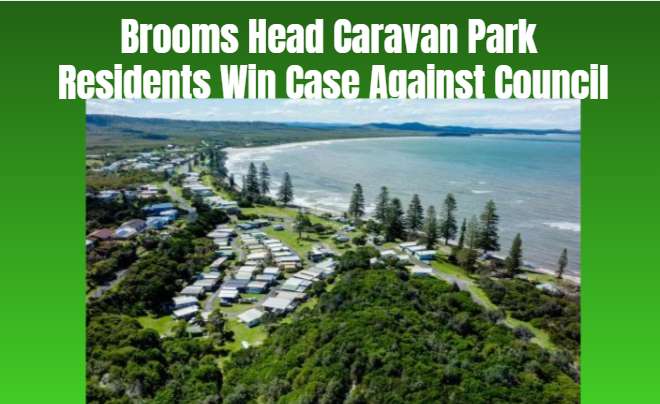
A resident of Brooms Head Holiday Park on the New South Wales North Coast has won a significant dispute against Clarence Valley Council after a tribunal overturned a proposed age restriction for permanent residents. The decision, reported on 19 October 2026, is an important development for people living in coastal caravan parks and for residents concerned about losing their homes.
ABC News
The council had introduced a special condition that would have prevented anyone under the age of 55 from living permanently in a caravan at Brooms Head Holiday Park. The proposal was part of wider changes affecting permanent and semi-permanent residents at several coastal parks, including Iluka, Minnie Water, Wooli and Brooms Head. Eviction notices issued across these locations had left some residents worried about their housing security.
The New South Wales Civil and Administrative Tribunal (NCAT) found that the over-55s rule was not fair and reasonable. Senior tribunal member Katherine Merrick said she could not identify a clear and coherent purpose for introducing the restriction. The decision also noted that the rule could negatively affect the marketability and saleability of permanent sites.
The restriction would have had consequences beyond the age of existing residents. Under the proposed arrangement, people with permanent caravan sites could have faced difficulties passing those sites on to their children after their deaths if the children were younger than 55. For families who have used these sites for long periods, such a restriction could affect future housing arrangements and the ability to maintain family connections with the area.
The dispute is part of a broader disagreement over how coastal holiday parks should be managed. Councils must consider visitor demand and the use of land for tourism, while residents who live in caravan parks permanently are concerned about their housing stability. The council had previously said that its actions were linked to growing demand from visitors for tourist sites.
The Brooms Head Holiday Park has 52 designated residential sites. According to the report, 30 were occupied by permanent residents, while the other 22 were long-term casual sites. The distinction between permanent and tourist accommodation is central to the dispute, because changes to site arrangements can affect both residents and the availability of places for holidaymakers.
Tony Everingham, from the Clarence Valley Semi Permanent Van Group, described the tribunal ruling as a small victory, while emphasising that other cases remain unresolved. He said approximately 80 matters were still before the tribunal or involved efforts to negotiate settlements with the council. Seven cases had been resolved at the time of the report.
The tribunal’s decision overturns the specific over-55s rule at Brooms Head, but it does not settle every dispute involving caravan park residents along the coast. Further proceedings and negotiations may determine how other sites are managed and what happens to people who have received eviction notices.
For residents, the ruling provides a measure of relief and reinforces the importance of having a clear, reasonable basis for rules that affect long-term accommodation. The wider issue remains how local authorities can balance tourism needs with the rights and housing security of people who call these coastal parks home.
ResidentsSitesPermanentBroomsCaravan
A resident of Brooms Head Holiday Park on the New South Wales North Coast has won a significant dispute against Clarence Valley Council after a tribunal overturned a proposed age restriction for permanent residents. The decision, reported on 19 October 2026, is an important development for people living in coastal caravan parks and for residents concerned about losing their homes.
ABC News
The council had introduced a special condition that would have prevented anyone under the age of 55 from living permanently in a caravan at Brooms Head Holiday Park. The proposal was part of wider changes affecting permanent and semi-permanent residents at several coastal parks, including Iluka, Minnie Water, Wooli and Brooms Head. Eviction notices issued across these locations had left some residents worried about their housing security.
The New South Wales Civil and Administrative Tribunal (NCAT) found that the over-55s rule was not fair and reasonable. Senior tribunal member Katherine Merrick said she could not identify a clear and coherent purpose for introducing the restriction. The decision also noted that the rule could negatively affect the marketability and saleability of permanent sites.
The restriction would have had consequences beyond the age of existing residents. Under the proposed arrangement, people with permanent caravan sites could have faced difficulties passing those sites on to their children after their deaths if the children were younger than 55. For families who have used these sites for long periods, such a restriction could affect future housing arrangements and the ability to maintain family connections with the area.
The dispute is part of a broader disagreement over how coastal holiday parks should be managed. Councils must consider visitor demand and the use of land for tourism, while residents who live in caravan parks permanently are concerned about their housing stability. The council had previously said that its actions were linked to growing demand from visitors for tourist sites.
The Brooms Head Holiday Park has 52 designated residential sites. According to the report, 30 were occupied by permanent residents, while the other 22 were long-term casual sites. The distinction between permanent and tourist accommodation is central to the dispute, because changes to site arrangements can affect both residents and the availability of places for holidaymakers.
Tony Everingham, from the Clarence Valley Semi Permanent Van Group, described the tribunal ruling as a small victory, while emphasising that other cases remain unresolved. He said approximately 80 matters were still before the tribunal or involved efforts to negotiate settlements with the council. Seven cases had been resolved at the time of the report.
The tribunal’s decision overturns the specific over-55s rule at Brooms Head, but it does not settle every dispute involving caravan park residents along the coast. Further proceedings and negotiations may determine how other sites are managed and what happens to people who have received eviction notices.
For residents, the ruling provides a measure of relief and reinforces the importance of having a clear, reasonable basis for rules that affect long-term accommodation. The wider issue remains how local authorities can balance tourism needs with the rights and housing security of people who call these coastal parks home.
Four Melbourne councils and Melbourne Water have joined forces to improve the Yarra River's water quality, with a long-term goal of making parts of the...
Small-scale flower growers and local entrepreneurs in Western Australia's Kimberley region are stepping in to meet demand after the town's main florist...
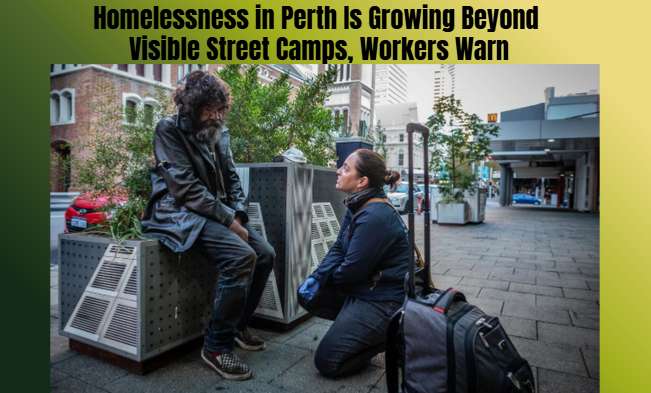
Rising rents and living costs are pushing more people, including working families and older Australians, towards homelessness, according to Western Aust...
A remote Western Australian station is looking for positives after Cyclone Narelle brought damaging weather, highlighting the resilience of regional com...
An Australian activist detained in Vietnam has reportedly told his family that he is frightened, renewing concerns about his welfare and circumstances i...
Small-scale flower growers and local entrepreneurs in Western Australia's Kimberley region are stepping in to meet demand after the town's main florist...
Two Greenpeace activists have been charged after allegedly climbing onto Woodside’s Scarborough offshore gas platform, around 200 kilometres off Western...
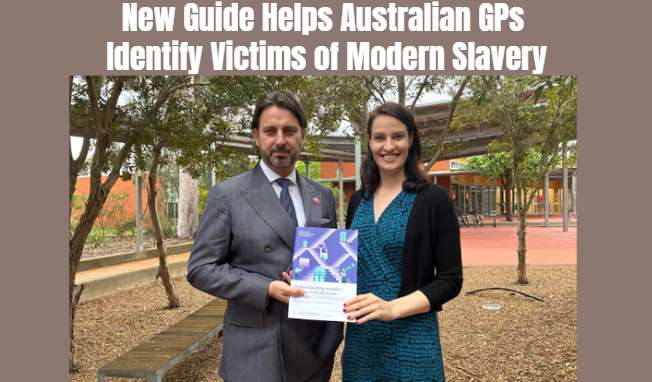
A new guide developed with survivors and specialists aims to help doctors and other healthcare professionals recognise signs of modern slavery and conne...
A teenager has been charged after multiple shots were fired at a house in Perth’s eastern suburbs. Three people were inside the property, but no injurie...
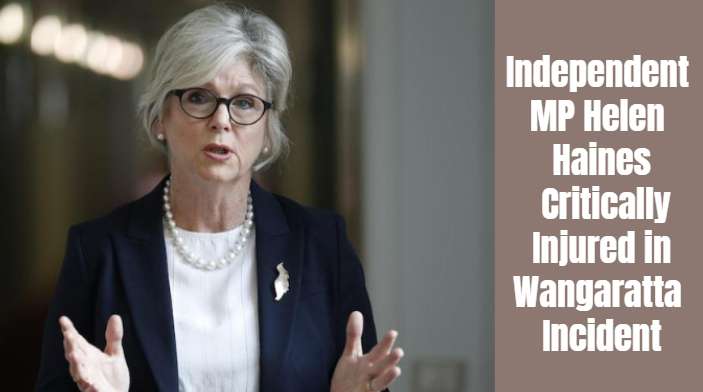
Victoria Police have arrested a man after federal independent MP Helen Haines was struck by a vehicle outside her electorate office in regional Victoria...
A remote Western Australian station is looking for positives after Cyclone Narelle brought damaging weather, highlighting the resilience of regional com...